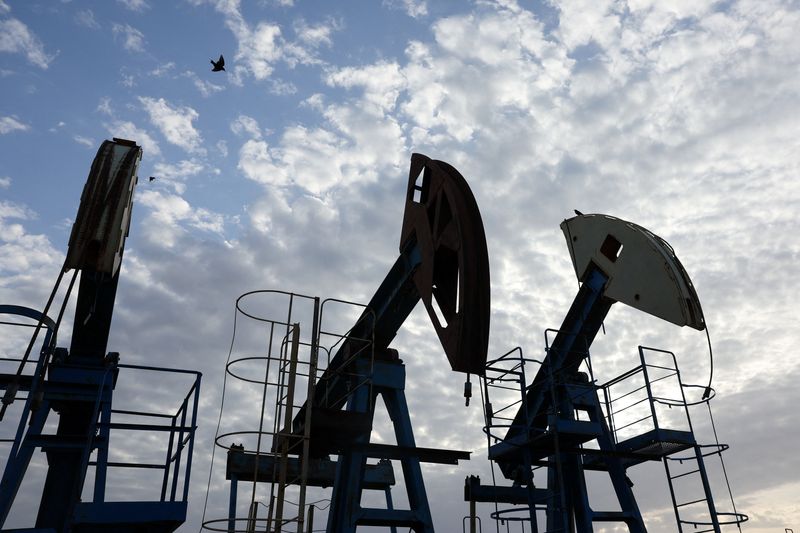
Strait of Hormuz ship traffic increases following US-Iran agreement
Maritime traffic through the Strait of Hormuz remains unstable as shipowners navigate ongoing military risks and diplomatic tensions following a June 2026 memorandum. The recovery remains fragile as global energy markets monitor fluctuating transit volumes and inspection mandates.
Commercial shipping activity through the Strait of Hormuz is experiencing a volatile and uneven recovery following a June 17, 2026, memorandum of understanding between the United States and Iran. While the agreement established a 60-day window for diplomatic negotiations intended to stabilize the waterway after the outbreak of hostilities on February 28, 2026, recent military escalations have introduced significant uncertainty for global energy markets and maritime logistics.
Before the conflict, the strait served as a vital energy conduit, regularly seeing 100 to 130 vessel transits per day. Following the February 28 initiation of hostilities, traffic collapsed to a fraction of that volume as both the United States and Iran imposed restrictive measures. Since the mid-June memorandum, however, shipowners have begun to tentatively return to the route, though total crossings remain well below pre-war norms.
Related media

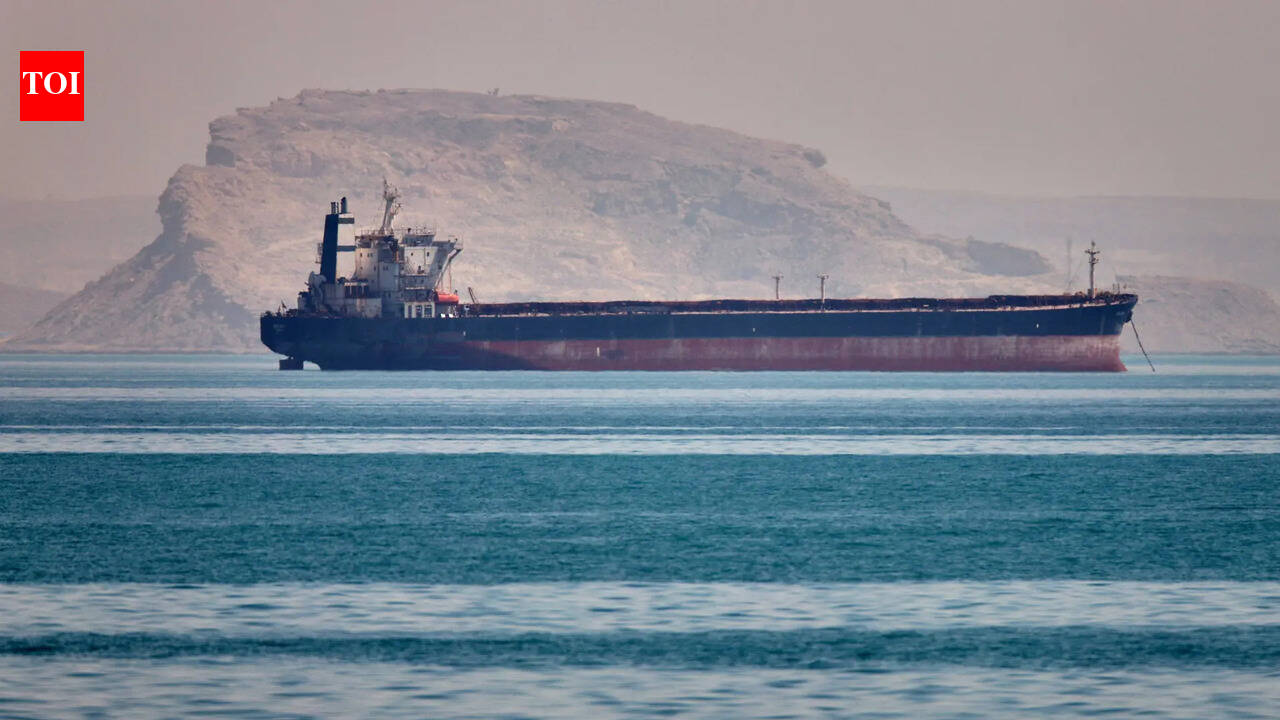

Data from maritime monitoring groups illustrates the fragility of this rebound. In late June, transit numbers fluctuated sharply. On June 24, tracking recorded 70 crossings, the highest daily volume since the conflict began. By June 29, tracking services recorded 40 total crossings, reflecting a decline in carrier confidence.
Operational Hurdles and Route Navigation
The operational reality for mariners in the strait remains complex. The central shipping lanes are currently hampered by the presence of mines. Consequently, vessels are opting for disparate paths: some utilize a northern route through Iranian waters or a southern route through Omani waters. A portion of the traffic has opted to transit without active transponders, further complicating official monitoring.
A primary point of contention involves Iran’s vetting system. Tehran has demanded that vessels pass near its coastline and submit to inspection, a process described by U.S. Treasury Secretary Scott Bessent as an attempt to extort global trade. Furthermore, while the memorandum prohibits transit fees for the 60-day duration, Iran’s enforcement of its own maritime service protocols remains a friction point. Legal experts, including James Kraska of the U.S. Naval War College, maintain that such fee structures are unlawful under the United Nations Convention on the Law of the Sea, which dictates that coastal states must permit peaceful navigation through international straits.
Diplomatic and Economic Outlook
The diplomatic trajectory remains unclear as the 60-day window progresses. While U.S. Officials suggested that Iran had requested meetings in Doha, Iranian Foreign Ministry spokesman Esmail Baqaei denied that any high-level negotiations are scheduled. Baqaei indicated that future talks are contingent upon the United States forcing Israel to halt its military actions in Lebanon. domestic opposition within Iran has surfaced, with members of the Assembly of Experts issuing statements critical of the government's approach to the maritime agreement.
For global energy producers, the reopening of the strait is essential to restarting output. Inbound traffic, particularly empty tankers returning to the Persian Gulf for loading, has seen some recovery. However, outbound shipments of crude oil, liquefied natural gas, and fertilizers remain effectively stagnant or limited to isolated incidents. According to data provided by the U.S. Treasury, the market remains cautious about the potential for sanctions to be reinstated, which continues to drive trade toward discounted flows with China.
As of Tuesday, 30 June 2026, both the United States and Iran have paused direct military strikes, creating a temporary lull. Shipowners continue to assess the security environment daily, with the long-term administration of the strait resting on the success of the ongoing 60-day diplomatic process.
How significant is this development?
Contribute your assessment to the aggregated reader intelligence ledger.
Archypedia is dedicated to independent, evidence-backed reporting. This briefing was synthesized from primary source reporting, corroborated across independent newsrooms, and verified against our Editorial Standards.
Transparency record
Evidence behind this report
This report synthesizes 10 distinct sources. Open the source ledger below to compare the underlying coverage.
- rferl.org
- maritimenews.com
- bluewin.ch
- datalab.wto.org
- factnewsindia.com
- timesofindia.indiatimes.com
- indiatoday.in
- yahoo.com
- insurancejournal.com
- timesfreepress.com
Prepared under the Archypedia Editorial Policy by the Samir Haddad editorial desk profile. AI-assisted tools may support drafting and verification; public accountability remains with Archypedia. Report an error.