US envoys arrive in Qatar for indirect talks as Iran tensions persist
US delegates are meeting with Qatari intermediaries to discuss the Strait of Hormuz and frozen assets as regional hostilities threaten the ceasefire.
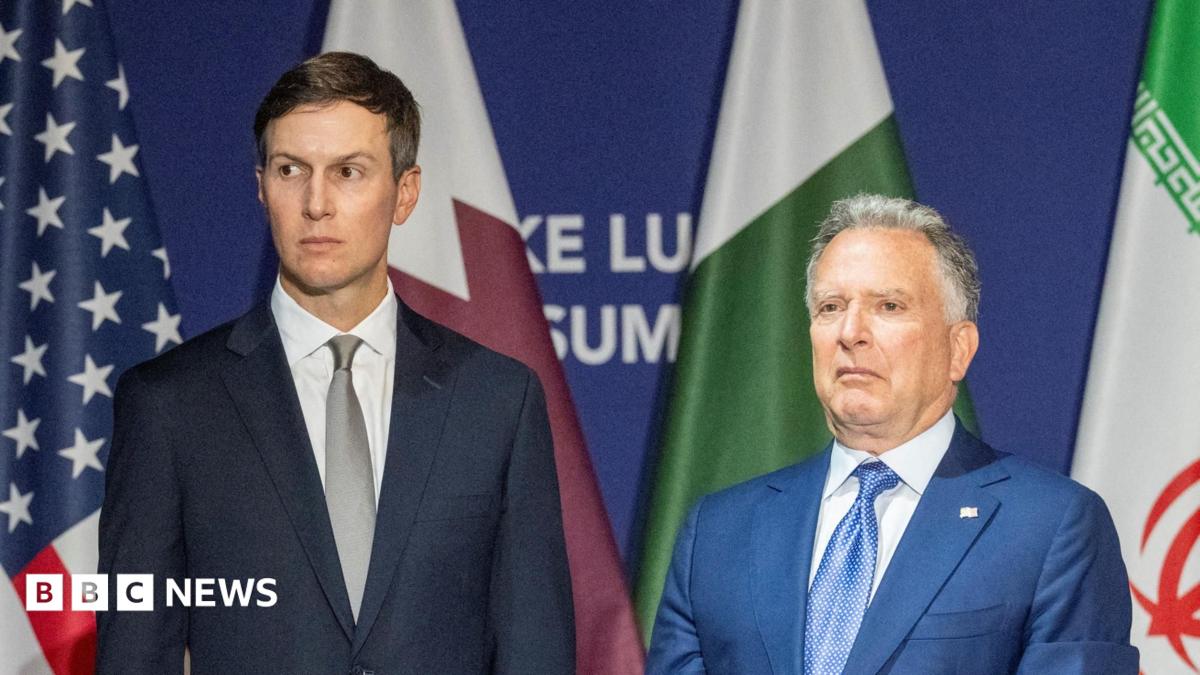
Special envoy Steve Witkoff and senior adviser Jared Kushner arrived in Doha, Qatar, on Tuesday, 30 June 2026, as uncertainty surrounding a tentative ceasefire between the United States and Iran intensified. While the White House had initially signaled the expectation of high-level meetings to address the fraying peace process, officials in Qatar confirmed that the American delegation is present to engage only with intermediaries rather than directly with Iranian representatives.
The diplomatic push follows a weekend of heightened hostilities in the Persian Gulf, where both nations exchanged fire, directly challenging the interim accord signed on 17 June 2026. This memorandum of understanding, which established a 60-day window for negotiations, aimed to halt military operations and secure the reopening of the Strait of Hormuz. The waterway, a critical artery for approximately one-fifth of global oil and liquefied natural gas shipments, has been a central point of contention since the war broke out on 28 February 2026.
Related media

According to Majed al-Ansari, a spokesperson for the Qatari Ministry of Foreign Affairs, the current focus remains on technical tracks involving lower-ranking officials. To the best of my knowledge, there are no direct meetings scheduled between the two parties in the coming days,
al-Ansari told reporters. He added that the talks would encompass regional security, nuclear concerns, and economic issues, serving as a conduit for indirect communication between Washington and Tehran.
The Iranian government has maintained a cautious stance. Esmail Baghaei, spokesperson for Iran’s Foreign Ministry, stated on Tuesday that Tehran had no plans for meetings with American counterparts at any level in the immediate future. Iranian officials clarified that their presence in Doha is intended for consultations with Qatari mediators to discuss the implementation of the memorandum, specifically highlighting grievances regarding the release of frozen Iranian assets and the status of the Strait of Hormuz.
The dispute over the strait remains a primary obstacle. While the United States advocates for free, unimpeded passage through the waterway under international maritime law, Iranian officials argue they hold sovereignty over the passage alongside Oman. Tehran has previously warned that it intends to implement traffic management and levy tolls on vessels, an interpretation of the accord that the US continues to reject.
What to watch next
- Asset Release: Qatar is currently holding $12 billion in frozen Iranian assets. Officials noted that the transfer of $6 billion of those funds remains contingent upon progress in the ongoing diplomatic talks.
- Lebanese Framework: The interim deal also links the US-Iran situation to a separate framework aimed at ending the conflict in southern Lebanon. However, local political figures have expressed skepticism regarding the viability of these terms, specifically those tying Israeli withdrawal to the disarmament of Hezbollah.
- Timeline Constraints: The 60-day negotiation period mandated by the interim deal is nearly one-quarter complete. US officials have previously signaled a reluctance to extend this timeline indefinitely.
- Regional Security: Following the Iranian drone and missile strikes on sites in Kuwait and Bahrain this past Sunday, observers are monitoring whether the current "stand down" status holds as mediators attempt to reconcile the conflicting interpretations of the memorandum of understanding.
The volatility in the region has caused significant concern for global energy markets, though some analysts noted a minor cooling in oil prices following the weekend de-escalation. Despite this, the broader peace process remains fragile, with both the US and Iran accusing each other of violating the terms of the initial agreement. As diplomatic efforts continue in Doha, the stated goal remains a sustainable, permanent solution that prevents a return to the open conflict that has affected trade and security across the Middle East for the past four months.
How significant is this development?
Contribute your assessment to the aggregated reader intelligence ledger.
Archypedia is dedicated to independent, evidence-backed reporting. This briefing was synthesized from primary source reporting, corroborated across independent newsrooms, and verified against our Editorial Standards.
Transparency record
Evidence behind this report
This report synthesizes 10 distinct sources. Open the source ledger below to compare the underlying coverage.
- dw.com
- yahoo.com
- irishtimes.com
- bbc.co.uk
- abcnews.com
- euronews.com
- reviewjournal.com
- latimes.com
- aljazeera.com
- irishexaminer.com
Prepared under the Archypedia Editorial Policy by the Samir Haddad editorial desk profile. AI-assisted tools may support drafting and verification; public accountability remains with Archypedia. Report an error.