
World
US and Iran target oil tankers in Strait of Hormuz escalation
With 11.1 million barrels of oil idling in the Strait of Hormuz, military strikes now threaten global energy markets and desalination plants supplying 80 million people.
With 11.1 million barrels of oil idling in the Strait of Hormuz, military strikes now threaten global energy markets and desalination plants supplying 80 million people.

The escalation marks a return to open hostilities as the U.S. applies a 'tanker doctrine' of attrition and Brent crude prices briefly climb to $99.46 per barrel.

Tehran intends to blacklist vessels entering a new restricted area extending into the Persian Gulf as diplomatic efforts over Iran's nuclear program collapse.

Mohammad Bagher Ghalibaf announced that Iran is abandoning proportionate responses in favor of swifter counterattacks following a naval exchange in the Strait of Hormuz.
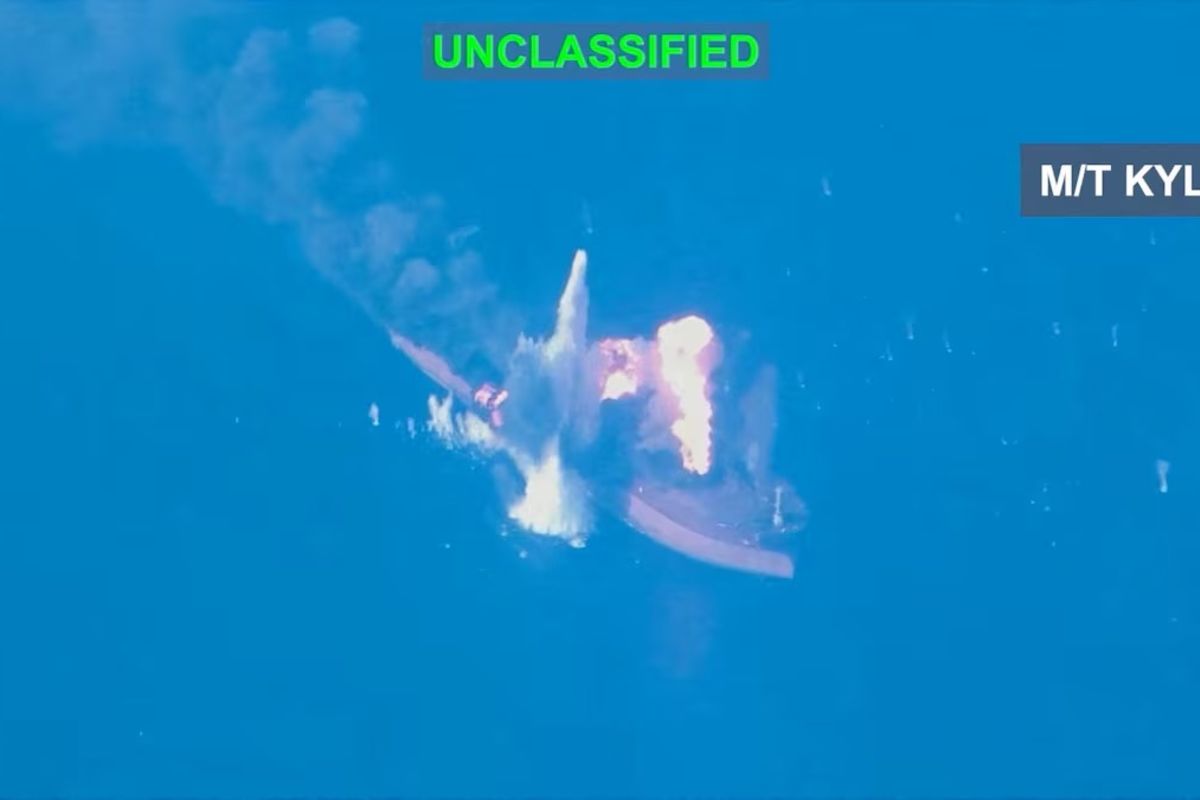
The US military has pivoted to an 'asset-for-missile' doctrine, sinking the MT Kylo and disabling two other carriers to bankrupt funding for the IRGC.

The threat follows a five-month military campaign that has cost over $37.5 billion and resulted in the deaths of 18 US service members.

The US military permanently disabled or destroyed three Iranian oil tankers following a ballistic missile attack on American naval assets.
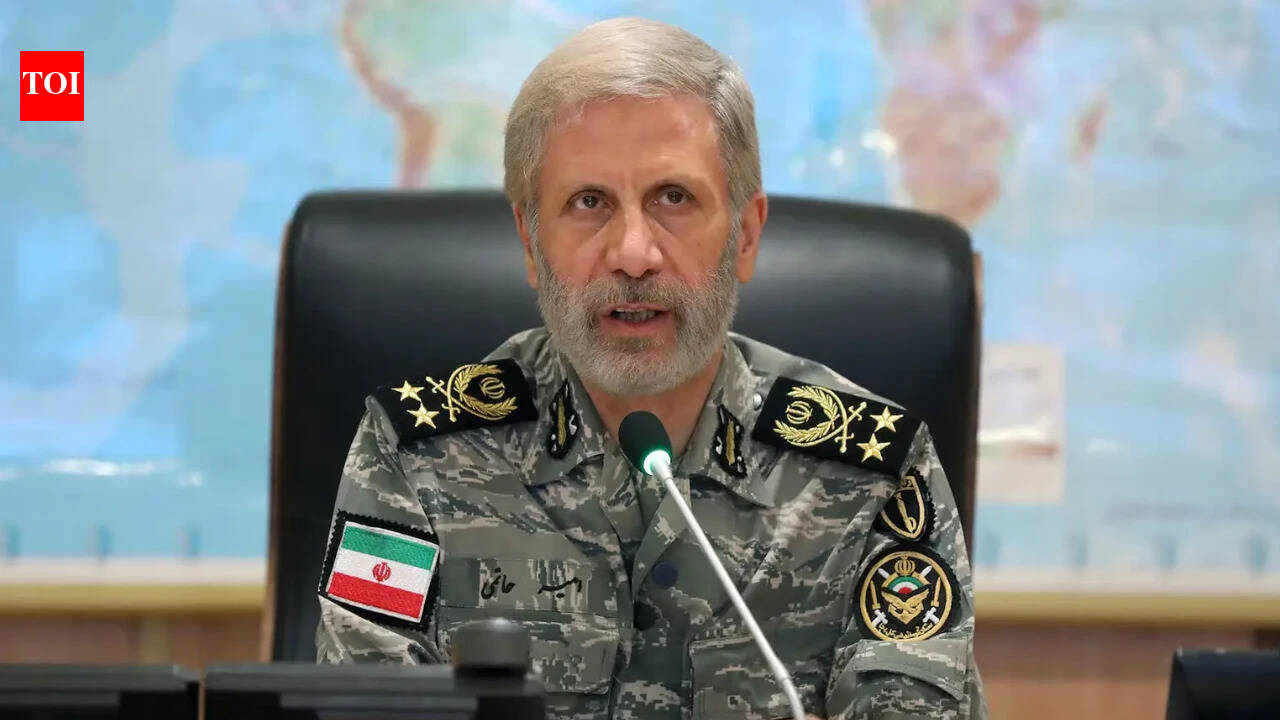
Army chief Amir Hatami announced a tiered reward system for citizens who target American military personnel, despite no known US ground forces being deployed inside Iran.
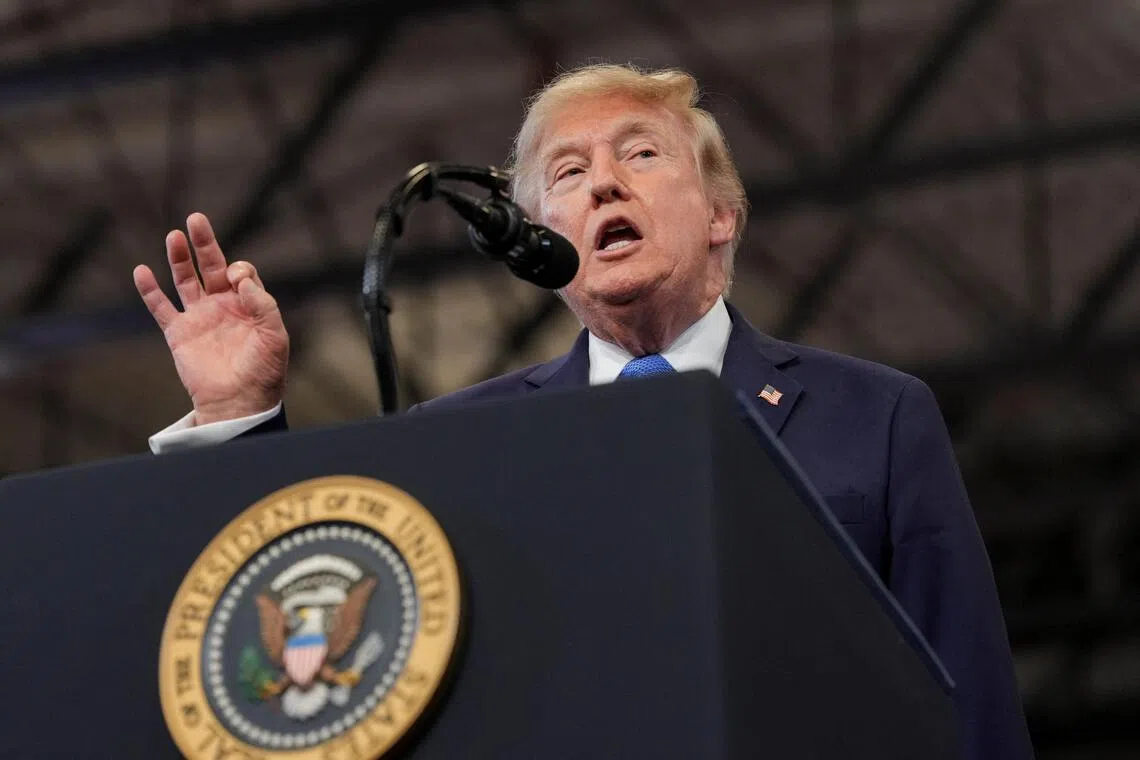
US President Donald Trump stated plans to claim the Strait of Hormuz as American territory, sparking an immediate backlash from Iranian officials and highlighting a steep decline in commercial vessel traffic.
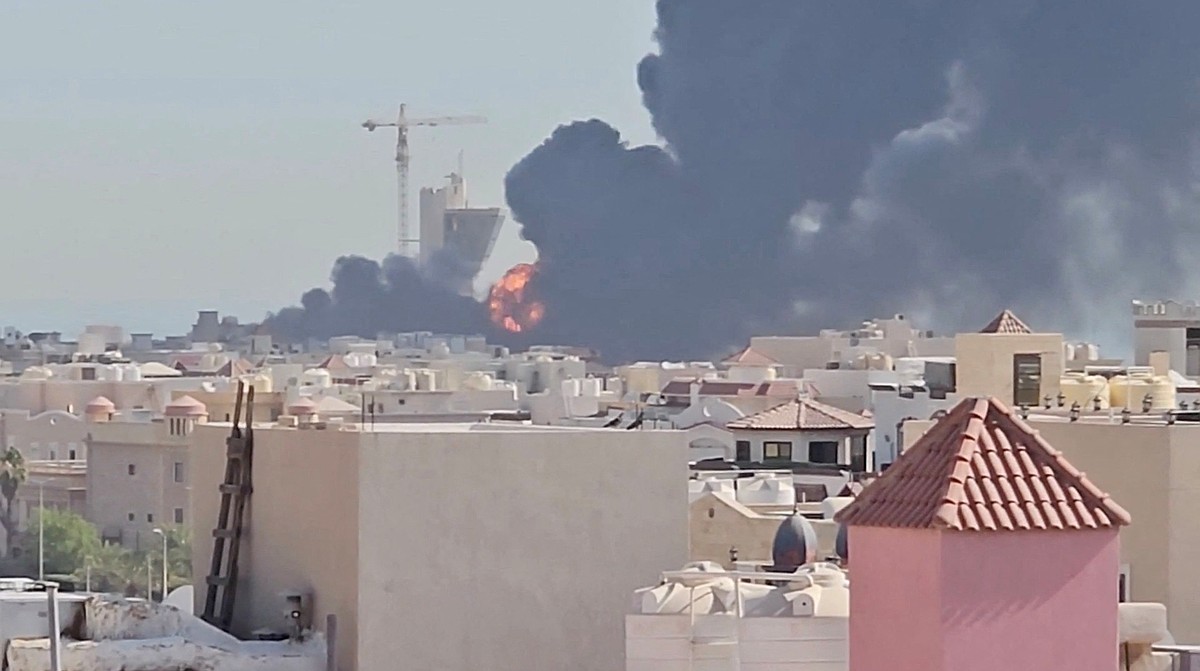
Tensions between the U.S. and Iran have reached a volatile new phase following the collapse of a ceasefire and rising casualties among American personnel. Military operations are now targeting infrastructure as the conflict spreads across the region.
Global shipping remains at risk as US-Iran hostilities escalate, trapping thousands of seafarers amid a breakdown in ceasefire negotiations.

The Strait of Hormuz is currently operating under a two-tier maritime system, with vessels divided between a U.S.-supported southern route and an Iranian-controlled northern corridor.

A fragile ceasefire between the U.S. and Iran has collapsed following a series of reciprocal military strikes, raising fears of a broader conflict.