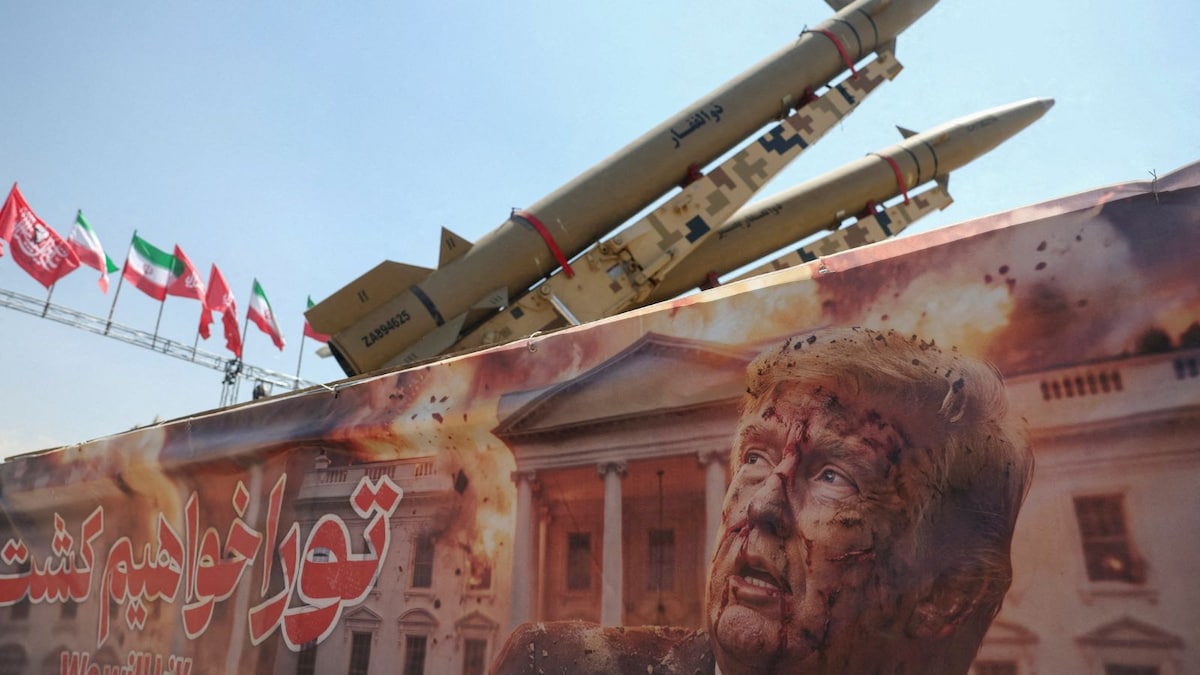
US and Iran target oil tankers in Strait of Hormuz escalation
With 11.1 million barrels of oil idling in the Strait of Hormuz, military strikes now threaten global energy markets and desalination plants supplying 80 million people.

Approximately 11.1 million barrels of oil are currently idling in the Strait of Hormuz, creating a massive environmental liability where a single successful strike could trigger a catastrophic spill. This volume, held by 18 oil tankers among 42 vessels waiting to transit the waterway, represents roughly 11 percent of global daily oil demand, according to MarineTraffic data cited by yahoo.com.
The risk to the region extends beyond energy markets to a fundamental threat to water security. Nearly 65 million people in Gulf countries and 15 million on Iran's coast rely on desalination plants that are highly vulnerable to oil contamination. Hussein Samh al-Masroori, an associate professor at Sultan Qaboos University, explained to Al Jazeera that oil hydrocarbons can interfere with treatment processes and, in severe cases, force temporary operational restrictions on the raw water these plants intake.
Related YouTube video


The Cycle of Retaliation
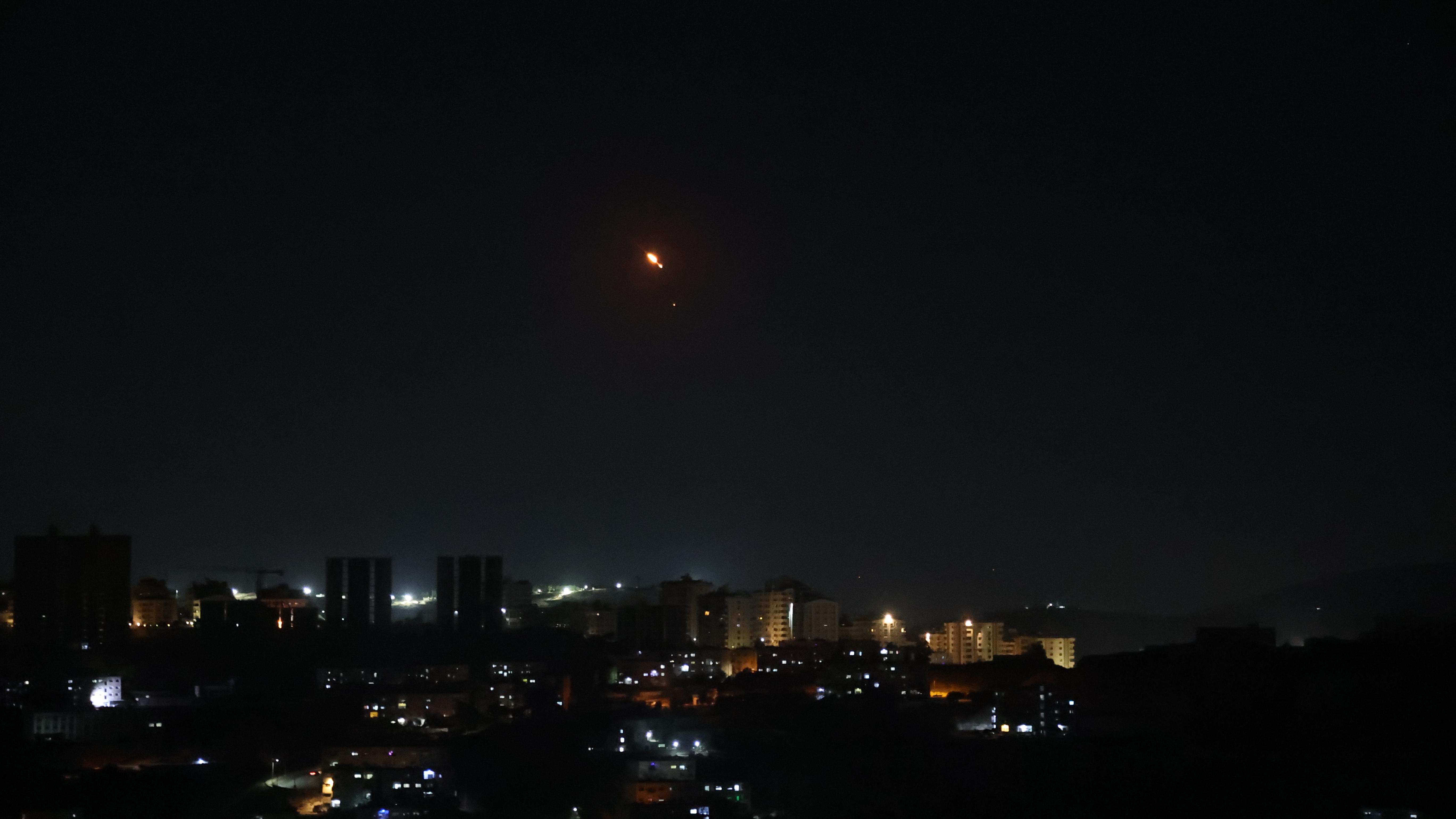
The current escalation accelerated between September 5 and September 8, 2026. U.S. Central Command (CENTCOM) reported striking three Iranian oil tankers on September 5—including one off Kharg Island, Iran's main oil-export hub, and another near Jask—following Iranian ballistic missile attempts against a U.S. Aircraft carrier and destroyer. On September 8, the U.S. Destroyed five more tankers.
Iran responded by launching ballistic missiles at U.S. Facilities in Jordan. While the Jordanian Armed Forces reported intercepting 18 of 20 missiles, reports from CBS News indicate the strikes caused damage at Muwaffaq Salti Air Base. Approximately eight F-15s sustained light damage, and one A-10 Thunderbolt was struck and lost a wing.
CENTCOM has dismissed claims of vessel damage, stating that no U.S. Navy warship has been struck.
Economic and Military Asymmetry
The volatility has pushed Brent crude to $101.58 a barrel, the highest since July. Goldman Sachs research co-head Daan Struyven suggested to CNBC that it is plausible
for prices to surge above $120 if hostilities continue. The impact is already evident in the U.S., where average retail diesel hit an all-Time high of $5.94, according to the American Automobile Association via Time.
Beyond the price of oil, a strategic cost imbalance has emerged. Rosemary Kelanic, director of the Middle East program at Defense Priorities, told TIME that the exchange is disproportionately bad for the U.S.
because the cost of defending with expensive interceptors far exceeds the cost of Iran's offensive strikes. U.S. Forces in Jordan launched more than 30 Patriot missiles to defend against Iranian strikes, while CBS News reports U.S. Officials are concerned over the rapidly declining stockpile of such precision munitions.
| Metric | Current Status / Value | Context / Source |
|---|---|---|
| Brent Crude Price | $101.58 per barrel | Highest since July (TIME) |
| U.S. Retail Diesel | $5.94 (Average) | All-time high (AAA via TIME) |
| U.S. Strategic Reserves | Lowest since 1982 | Impact of continued conflict (TIME) |
| War Cost (U.S.) | At least $37.5 billion | As of July (Defense Secretary Hegseth) |
An Environmental Tinderbox
The maritime conflict is reviving traumas from the 1991 Gulf War. During Operation Desert Storm, Iraqi forces set Kuwaiti oil wells ablaze, releasing millions of gallons of oil that damaged coastlines from southern Kuwait to Abu Ali Island in Saudi Arabia for decades. Researchers Fares al-Momani and Ponnumony Vethamony of Qatar University noted that previous cleanup efforts were focused on damage control than restoration
.
Current evidence suggests a similar trajectory. The tanker Caroline Bezengi has been leaking since early June after an explosion 22 nautical miles off Oman; Reuters estimates it carried 800,000 barrels. Satellite imagery from August 10 also detected oil slicks near Qeshm and Sirri islands.
A June study by the University of South Florida found that oil spills in the Gulf and Strait of Hormuz were four times higher in March than the previous year. These spills smother coral reefs and mangroves, which serve as critical nursery grounds for fish, turtles, and dugongs in one of the world's hottest and most saline marine environments.
Regional Contagion
The conflict has widened beyond the Strait of Hormuz. In Yemen, the Houthi militia shattered a four-year informal cease-fire, launching attacks on Saudi oil infrastructure and three southwestern cities. Saudi Arabia reported 73 injuries in these strikes, while the Houthis claimed Saudi forces conducted over 40 retaliatory strikes in Yemen.
Frequently Asked Questions
Why are desalination plants at risk?
Oil spills can contaminate these intakes, interfering with treatment technology and potentially forcing plant shutdowns.
The U.S. Energy Information Administration warns that oil exports through the strait will remain constrained through the end of 2026, with pre-war levels unlikely to return until the second quarter of 2027.
President Donald Trump has claimed almost total control
of the Strait and suggests the conflict is being used by Iran to influence the U.S. Midterm elections. Speaking before a trip to Texas, Trump predicted the war would end immediately after the election
.
Archypedia is dedicated to independent, evidence-backed reporting. This briefing was synthesized from primary source reporting, corroborated across independent newsrooms, and verified against our Editorial Standards.
Transparency record
Evidence behind this report
This report synthesizes 7 distinct sources. Open the source ledger below to compare the underlying coverage.
Prepared under the Archypedia Editorial Policy by the Samir Haddad editorial desk profile. AI-assisted tools may support drafting and verification; public accountability remains with Archypedia. Report an error.