Iran threatens faster and more intense military response to US attacks
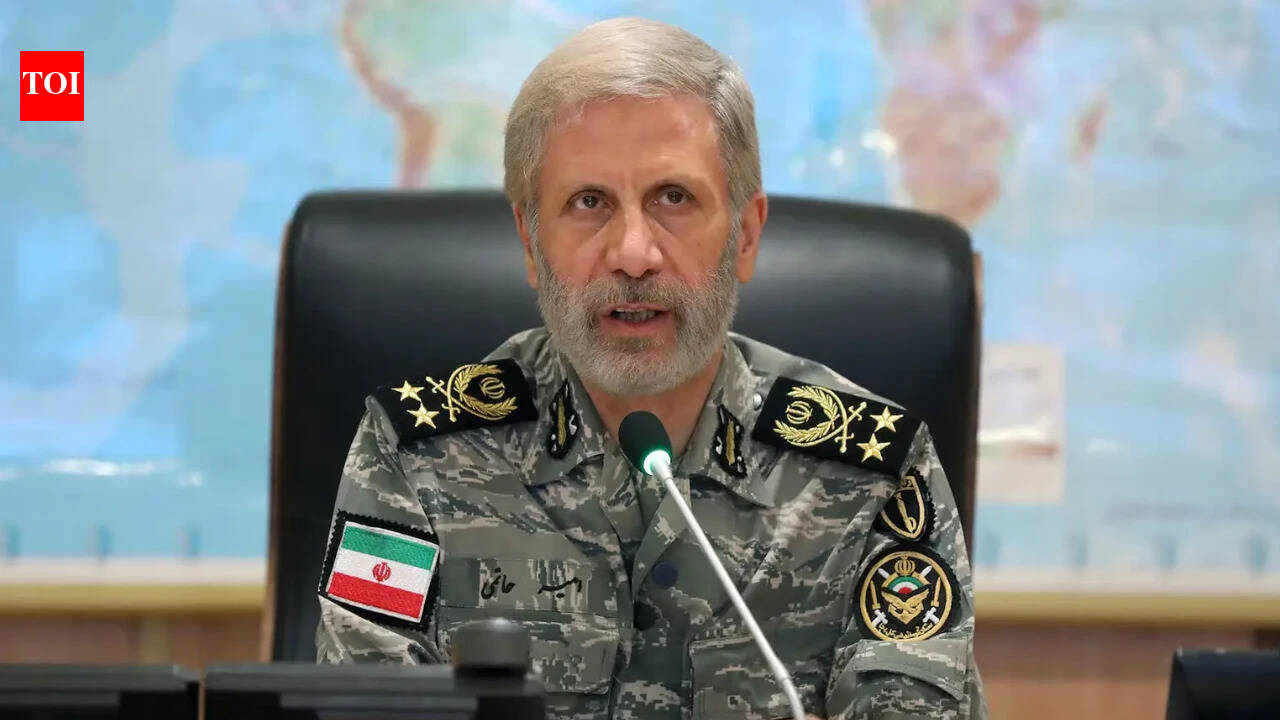
Mohammad Bagher Ghalibaf announced that Iran is abandoning proportionate responses in favor of swifter counterattacks following a naval exchange in the Strait of Hormuz.

Tehran's top negotiator declared on Sunday that the era of proportionate military retaliation has ended, warning that any future aggression against Iranian interests will be met with faster, more intense, and more painful strikes. The policy shift, articulated by Mohammad Bagher Ghalibaf in a speech carried by state media, follows a direct naval exchange in the Strait of Hormuz where Iran claimed to have struck an unmanned US military boat.
Shifting Posture and the Strait of Hormuz Exchange
The public declaration by Ghalibaf signals an explicit transition in how Tehran intends to manage armed friction with Washington. According to Asharq Al-Awsat, Ghalibaf stated in his state-broadcast address that the United States must recognize that proportional countermeasures are a thing of the past. The warning was delivered directly in the wake of naval engagements that saw Iranian forces target American warships and claim a direct hit on an unmanned US naval vessel operating in the Strait of Hormuz.
The friction on the water builds upon an established ladder of escalation. The day before Ghalibaf's announcement, the US military confirmed it had struck and disabled Iranian oil tankers. That American action was itself described as retaliation after Iran targeted Navy warships with ballistic missiles. While Tehran insists its operational reach extended to the unmanned naval boat, the immediate tactical reality on the ground remains unverified by American authorities.
Command Silence and Strategic Uncertainty
A stark divergence persists between Tehran's public battlefield claims and the official posture of the US military. United States Central Command, which directs operations across the Middle East, maintained a complete silence regarding the alleged strike on the unmanned vessel in the Strait of Hormuz, offering no confirmation and declining all requests for comment.
| Actor | Reported Action or Stance |
|---|---|
| Iran (Mohammad Bagher Ghalibaf) | Declared the end of proportionate responses; threatened faster and more intense military retaliation. |
| Iranian State Claims | Asserted a successful strike on an unmanned US military boat in the Strait of Hormuz. |
| US Central Command | Did not confirm the Strait of Hormuz claim and declined to respond to media inquiries. |
| United States Military | Previously disabled Iranian oil tankers following ballistic missile attacks on Navy warships. |
This information vacuum leaves analysts parsing whether the unconfirmed naval engagement will accelerate the cycle of kinetic actions or remain isolated. Historical friction in the world arena often hinges on whether unacknowledged skirmishes provoke direct escalation or are absorbed as strategic posturing by opposing commands.
Domestic Tragedies Amid Regional Strains
While military leaders trade warnings over maritime security, separate domestic crises continue to unfold within Iran's borders. State media reported an unrelated fatal accident in western Iran late Saturday when a fuel tanker suffered a faulty brake system failure, careened into other vehicles, and burst into flames near a traffic police station outside Sanandaj, located roughly 400 kilometers (248 miles) west of Tehran. The disaster left 11 people dead and seven others injured.
The incident mirrors past infrastructure and transport tragedies in the country, recalling a 2018 collision near the same Kurdish city that claimed 15 lives. State reporting notes that road accidents claim more than 17,000 lives annually in Iran, a fatality rate frequently attributed by experts to aging vehicular fleets, inadequate emergency response services, and widespread traffic infractions.
With high-stakes deterrence dynamics shifting in the Gulf and domestic pressures mounting internally, the immediate trajectory depends on whether US Central Command eventually breaks its silence regarding the Strait of Hormuz incident or if Iranian forces act upon their threat of unsparing retaliation.
Strategic Posture and Regional Deterrence
The hardening of Tehran's military stance reflects a calculated shift in regional calculations following weeks of tit-for-tat engagements in Gulf waters. Asharq Al-Awsat reported that Mohammad Bagher Ghalibaf positioned the abandonment of restraint as a direct message to Washington regarding maritime security and sovereign interests. This posture emerged immediately after American naval forces targeted and disabled Iranian oil tankers, an operation executed in response to earlier ballistic missile launches directed at United States Navy warships.
While Iranian state media asserted that Islamic Republic forces successfully struck an unmanned American boat in the Strait of Hormuz, United States Central Command maintained complete operational silence, refusing to confirm the engagement or address media inquiries. This tactical ambiguity leaves military observers uncertain whether the unverified strike will trigger further kinetic escalation or be absorbed as standard political posturing. The next step depends entirely on whether American commanders formally acknowledge the reported naval exchange or if Iranian forces act upon their threat of unsparing retaliation.
Archypedia is dedicated to independent, evidence-backed reporting. This briefing was synthesized from primary source reporting, corroborated across independent newsrooms, and verified against our Editorial Standards.
Transparency record
Evidence behind this report
This report synthesizes 7 distinct sources. Open the source ledger below to compare the underlying coverage.
- business-standard.com
- english.aawsat.com
- newindianexpress.com
- abc.net.au
- scmp.com
- channelnewsasia.com
- abc30.com
Prepared under the Archypedia Editorial Policy by the Samir Haddad editorial desk profile. AI-assisted tools may support drafting and verification; public accountability remains with Archypedia. Report an error.