US, Iran tensions remain high amid Strait of Hormuz standoff
Global shipping remains at risk as US-Iran hostilities escalate, trapping thousands of seafarers amid a breakdown in ceasefire negotiations.
Tensions between the United States and Iran escalated sharply this week, casting doubt on the stability of a fragile ceasefire and jeopardizing global shipping through the Strait of Hormuz. As of Friday, the maritime chokepoint remains a center of conflict, with both nations trading accusations of aggression and military strikes despite ongoing, albeit stalled, diplomatic efforts.
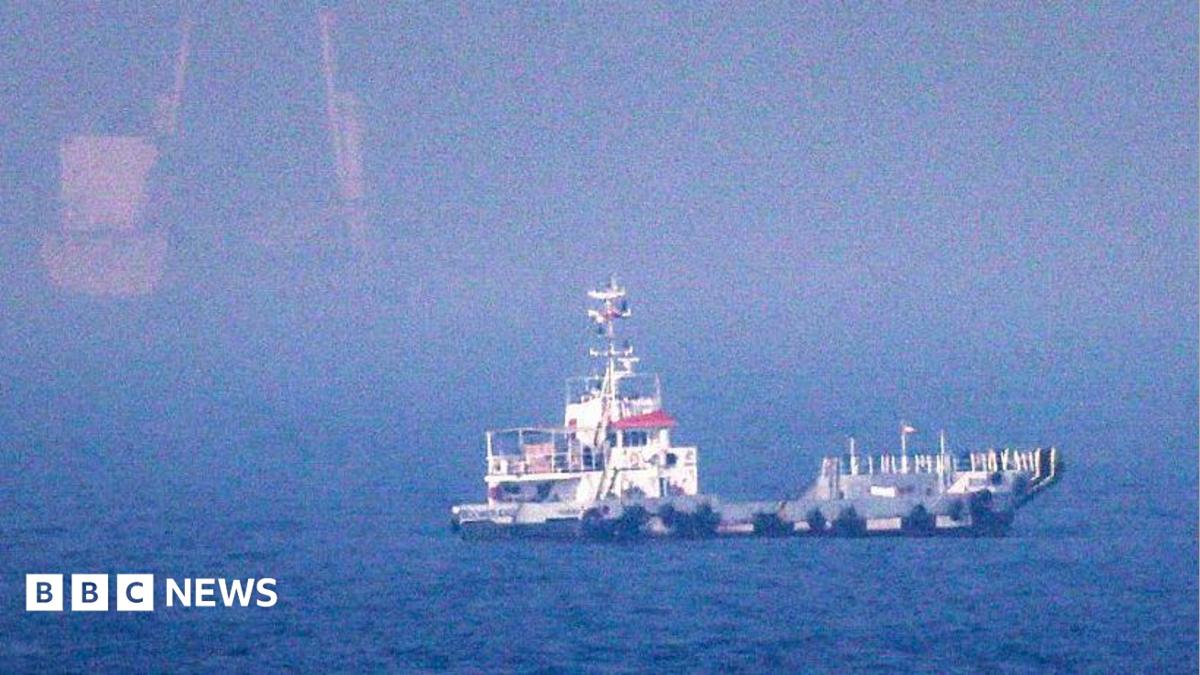
The latest instability stems from a surge in hostilities in the Gulf, where Iran accused the United States of "maritime piracy" following the seizure of the Iranian-flagged cargo ship M/V Touska. According to U.S. Central Command, the vessel was disabled and boarded by Marines after failing to comply with warnings over a 6-hour period. In retaliation, the Iranian military threatened to respond to what it termed an armed violation of the memorandum of understanding signed in mid-June.
Related YouTube video

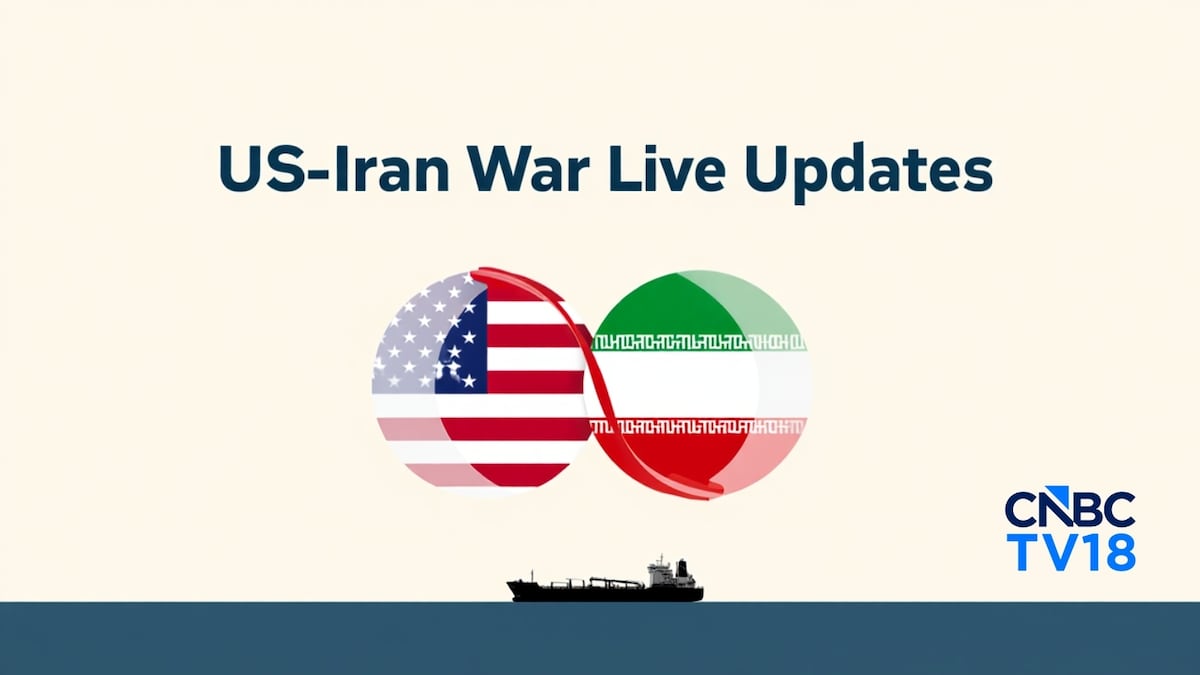
Standoff at the Strait
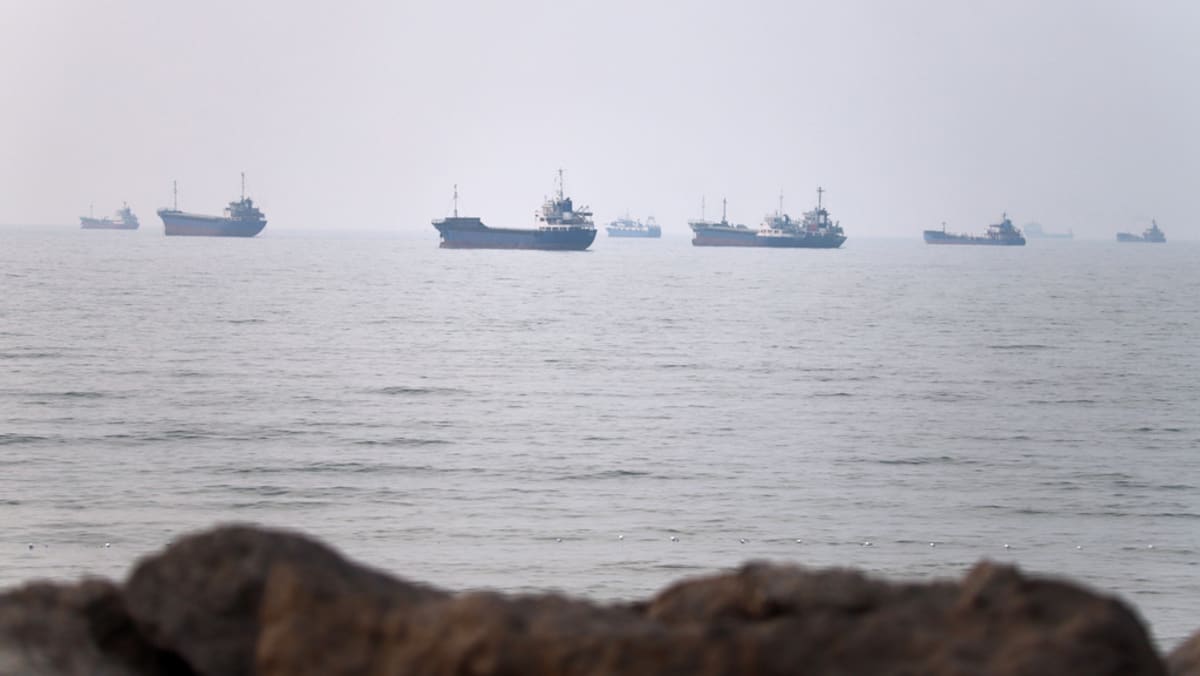
The status of the Strait of Hormuz remains a primary point of contention. While the U.S. Military insists the waterway remains open to commercial traffic, reports from Lloyd's List indicate that shipping activity has dropped significantly since the exchange of fire began. According to the Indian government, at least 13 Indian-flagged vessels are currently stranded in the area, while the International Transport Worker's Federation reports that 20,000 seafarers are trapped on ships, facing food and water shortages.
Diplomatic Stagnation
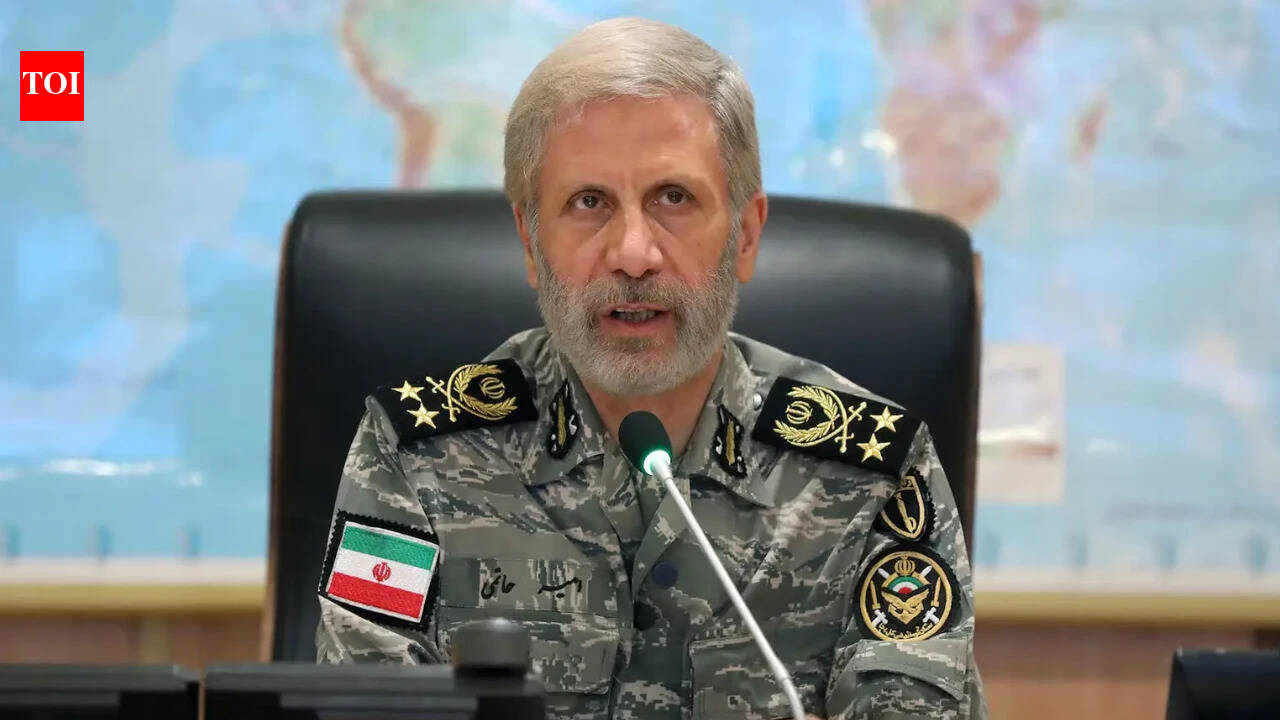
Diplomacy continues in a state of flux. While a U.S. Official confirmed that "technical talks" are ongoing to resolve the conflict, Iranian officials have largely refrained from confirming that negotiations are active. Iranian Foreign Minister Abbas Araghchi conducted a series of calls with regional counterparts in Oman, Turkey, Saudi Arabia, and Pakistan to address the escalation. However, Iranian officials signaled that the country has no immediate plans to send negotiators to a scheduled round of talks in Pakistan.
The U.S. Position remains firm: President Donald Trump has characterized Iranian strikes on commercial tankers as acts of terrorism and warned that if Iran does not stop its proxies in Lebanon and comply with ceasefire terms, the U.S. Will respond with renewed military force. Conversely, Tehran’s leadership maintains that U.S. Naval blockades and military support for Israeli operations in Lebanon are the sole drivers of regional instability.
Chronology of Recent Escalation
- Feb. 28, 2026: The Iran War begins with joint U.S.-Israeli strikes, known as Operation Epic Fury.
- Mid-June 2026: A 60-day ceasefire memorandum of understanding is signed between the U.S. And Iran.
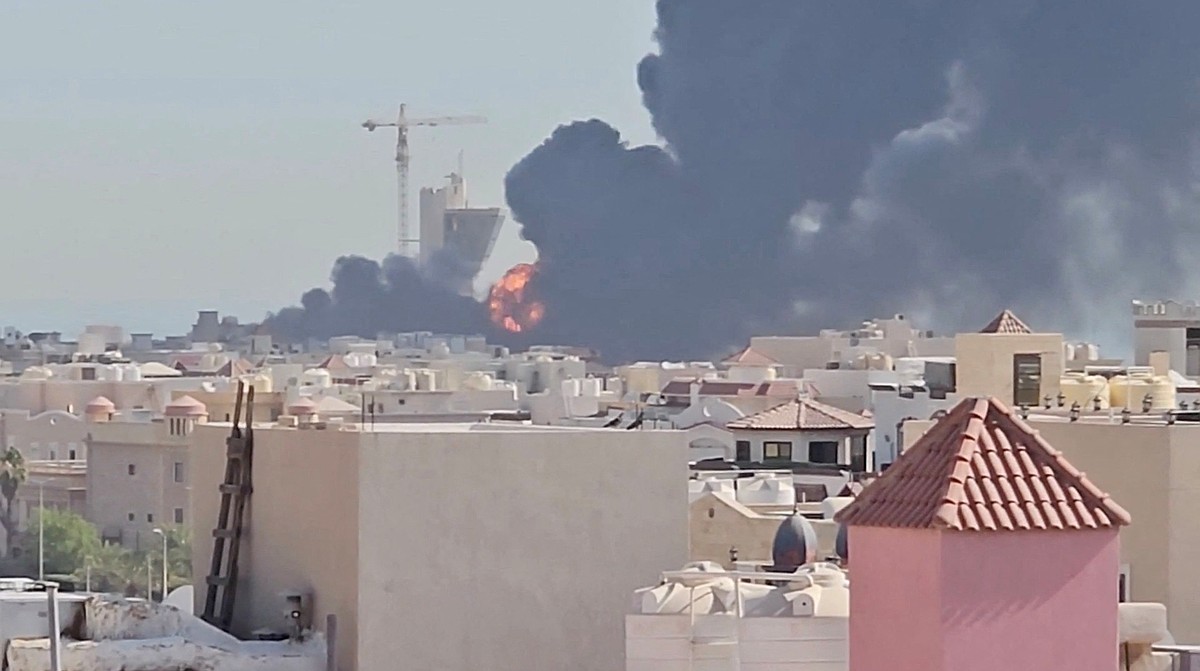
- Early July 2026: A flare-up occurs as Iran strikes commercial vessels; the U.S. Responds with its most intensive airstrikes since the ceasefire began, targeting 170 sites.
- July 9, 2026: Ayatollah Ali Khamenei, killed at the outset of the war, is buried in Mashhad.
Regional Impacts and Economic Strain
The conflict has left a trail of broader regional consequences. In Lebanon, the Israeli military has continued strikes against Hezbollah targets, further complicating the geopolitical landscape. Within Iran, the mourning process for the late supreme leader, Ayatollah Ali Khamenei, has coincided with public demonstrations where participants have called for the assassination of President Trump.
Economically, the volatility continues to pressure global markets. Oil prices have seen fluctuations as investors react to the threat of a full-scale blockade. While the United Arab Emirates has reportedly moved to release billions of dollars to Iran in a strategic shift aimed at easing regional tensions, the lack of a final, binding agreement leaves the global energy supply chain in a state of high alert.
For now, U.S. Central Command continues to monitor traffic in the Arabian Sea, maintaining an elevated state of readiness. As the 60-day ceasefire period nears its expiration, both sides are under pressure from regional mediators to resume formal talks, though Tehran continues to demand the lifting of naval blockades as a prerequisite for further diplomatic progress.
How significant is this development?
Contribute your assessment to the aggregated reader intelligence ledger.
Archypedia is dedicated to independent, evidence-backed reporting. This briefing was synthesized from primary source reporting, corroborated across independent newsrooms, and verified against our Editorial Standards.
Transparency record
Evidence behind this report
This report synthesizes 10 distinct sources. Open the source ledger below to compare the underlying coverage.
- economictimes.indiatimes.com
- yahoo.com
- cbsnews.com
- finance.yahoo.com
- abcnews.com
- cnbctv18.com
- rferl.org
- en.wikipedia.org
- npr.org
- livemint.com
Prepared under the Archypedia Editorial Policy by the Mara Ionescu editorial desk profile. AI-assisted tools may support drafting and verification; public accountability remains with Archypedia. Report an error.