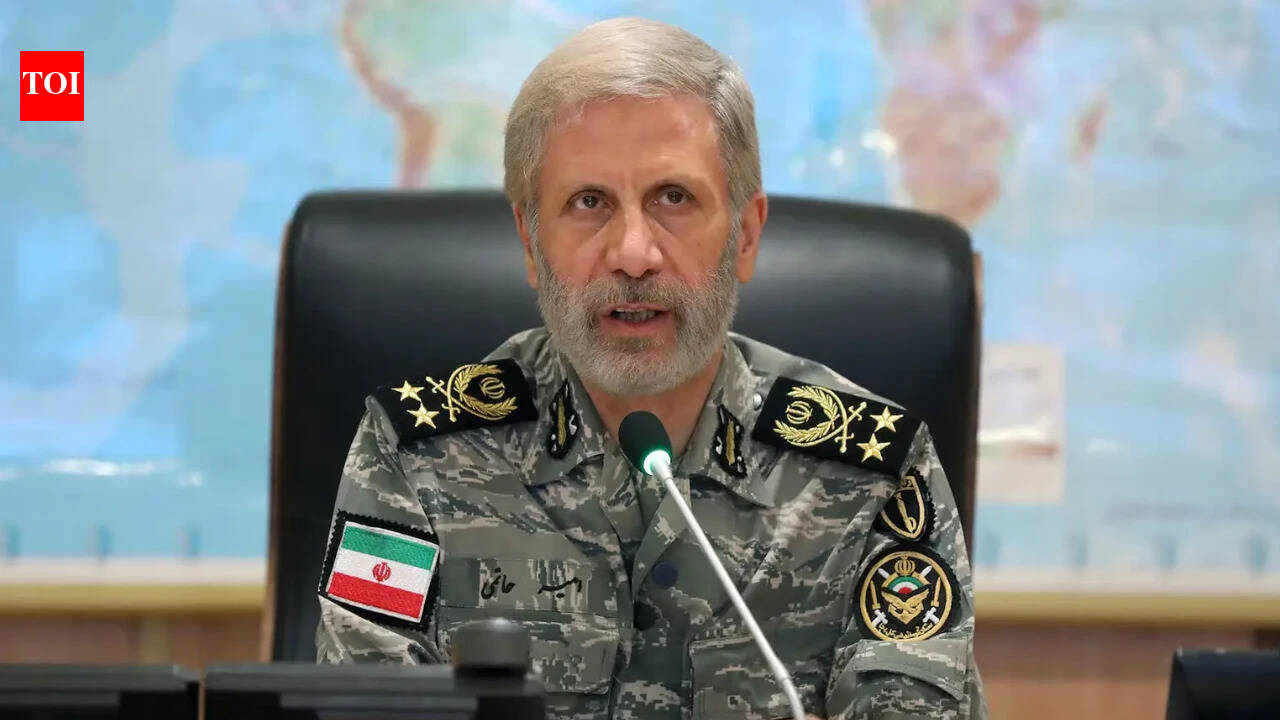
Iran to announce shipping exclusion zone near Strait of Hormuz
Tehran intends to blacklist vessels entering a new restricted area extending into the Persian Gulf as diplomatic efforts over Iran's nuclear program collapse.

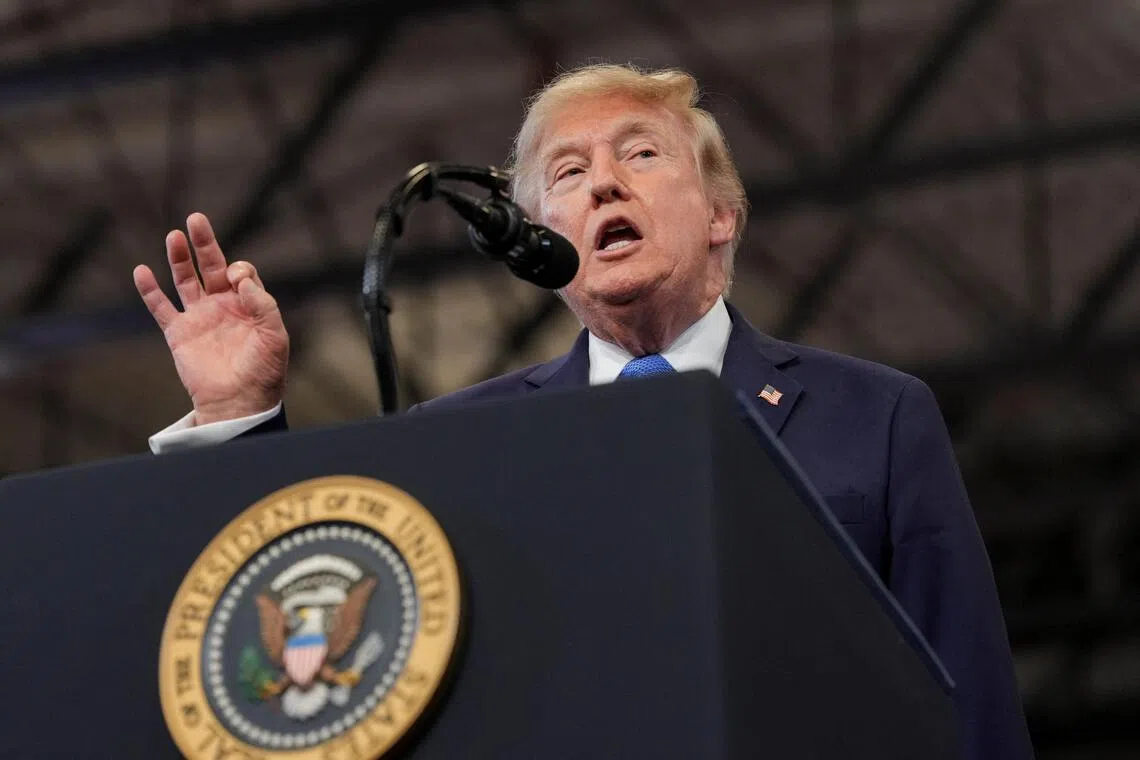
President Donald Trump has characterized the conflict in West Asia as small potatoes
and very intermittent
, but Mohsen Rezaei, the new head of Iran's Supreme National Security Council, claims the Strait of Hormuz is completely closed
. This fundamental disagreement over the status of the world's most critical oil transit point has now escalated into a plan by Tehran to establish a formal "exclusion zone" to challenge the existing U.S. Naval blockade.
The proposed restricted area is designed to function as a counter-blockade. According to Rezaei, who spoke to the state broadcaster Islamic Republic of Iran Broadcasting (IRIB), the zone will start from the line of the U.S. Naval blockade, extend toward the Strait of Hormuz, and continue into the Persian Gulf. Any ship identified entering this area with the intent to transit the strait will be placed on an Iranian sanctions list.
Related YouTube video
Competing Claims on Oil and Transit
The U.S. Government and Iranian leadership are presenting two entirely different versions of reality regarding the volume of trade currently moving through the strait. U.S. Energy Secretary Chris Wright told CNN that average flows are approximately two-thirds or more of preconflict levels, with 9 million barrels of oil a day successfully transiting the waterway. Wright noted that these flows depend on the U.S. Navy providing escorts and protection for tankers.
Mohsen Rezaei dismissed these claims as a big lie
. He asserted that before the closure followed the U.S.-Israeli strike on Tehran that killed former Supreme Leader Ali Khamenei, more than 100 vessels carrying over 100 million tonnes of goods passed through. He claims that number has now fallen to a maximum of 7 to 8 vessels carrying essential goods for Iran.
Despite the blockade, Rezaei claims Iran continues to sell 1 million to 1.5 million barrels of oil daily, asserting that trade is continuing as usual
.
| Metric | U.S. Government Position (Chris Wright) | Iranian Position (Mohsen Rezaei) |
|---|---|---|
| Daily Oil Flow | 9 million barrels | 1 to 1.5 million barrels (Iranian sales) |
| Vessel Traffic | Substantial (supported by Navy escorts) | 7 to 8 essential vessels only |
| Strait Status | Open | "Completely closed" |
Military Escalation and Civilian Cost
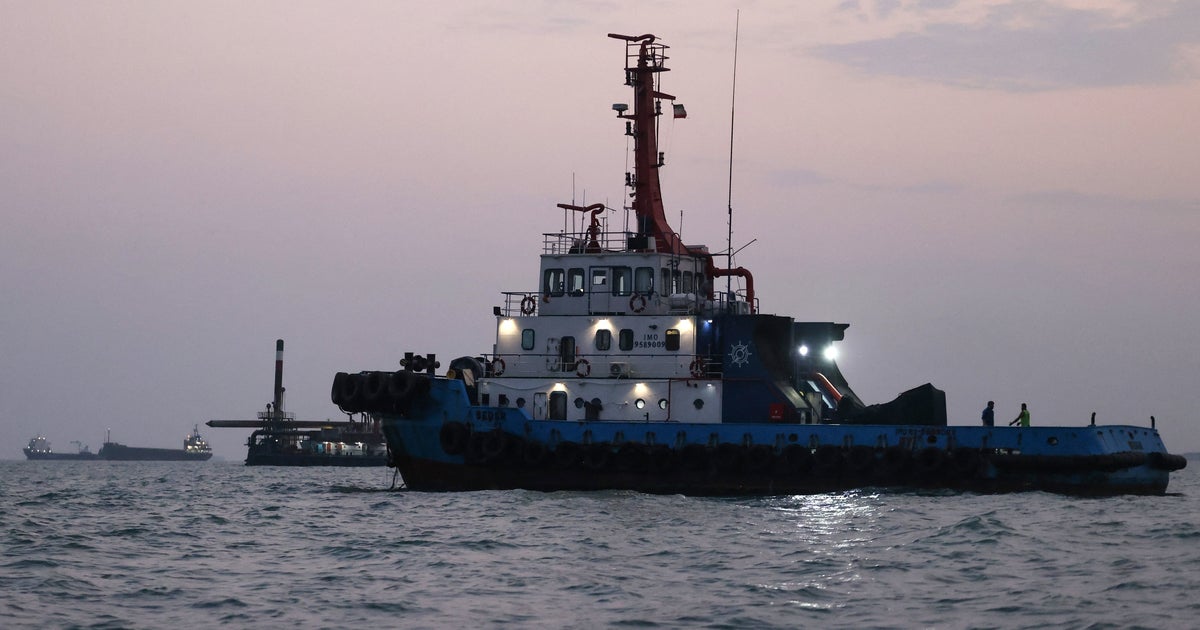
The current tension follows a month of relative calm that ended last week. The conflict, which began on Feb. 28 with U.S. And Israeli strikes, has returned to the southern coast of Iran and the waterway. The U.S. Military reports that over 20 warships are currently supporting a blockade aimed at Iranian ports to prevent oil exports. This operation has redirected 92 commercial ships and disabled three.
The military exchange has intensified rapidly. On Saturday, U.S. Central Command struck three Iranian vessels in response to ballistic missiles launched at two U.S. Navy ships. Iran has countered with claims of targeting a U.S. Aircraft carrier, a destroyer, and an unmanned vessel attempting to enter the strait—though the U.S. Military dismissed the claim regarding the unmanned ship as a total lie
.
The human cost is manifesting in southern Iran. A recent U.S. Bombardment killed at least five people. These attacks returned attention to the region where a school was hit during the war's opening strikes in February.
From Diplomacy to Economic Leverage
The shift toward using the Strait of Hormuz as a primary weapon follows the collapse of diplomatic efforts. In mid-June, the U.S. And Iran signed a memorandum of understanding intended to address Iran's nuclear program. The agreement fell apart within days amid mutual accusations of violations.
Rezaei expressed distrust not only toward the U.S. But toward the regional mediators involved in the process. He specifically named Pakistan, Qatar, and Oman, stating that Iran had trusted these partners to ensure neither side violated the agreement.
The Trump administration has since pivoted to a dual-prong strategy:
- Military strikes targeting tankers and vessels in the strait.
- Financial targeting of foreign institutions that handle Iranian money.
With the diplomatic channel closed, Tehran has pivoted its leverage away from nuclear negotiations and toward the physical control of the waterway, which was regarded as an international waterway before the outbreak of war.
The immediate future of the conflict now hinges on a diplomatic move beyond the region. Diplomats indicate that the U.S., Britain, France, and Germany are seeking to refer Iran to the U.N. Security Council for its failure to comply with nuclear nonproliferation obligations.
Iranian Naval Doctrine and the Shadow Fleet
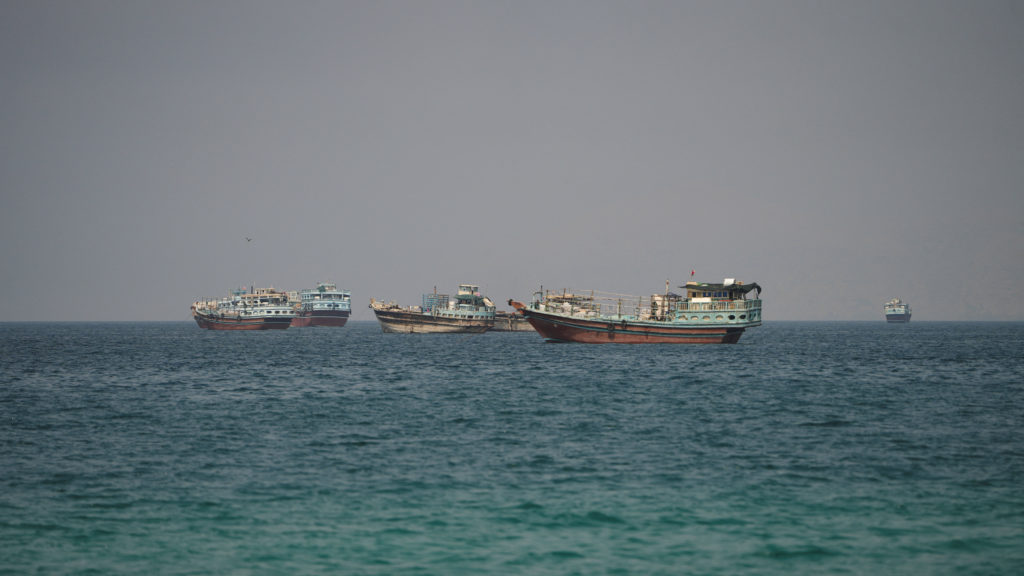
The push to establish a formal exclusion zone reflects a broader strategy by Tehran to neutralize the impact of the U.S. Blockade. While the U.S. Military has used more than 20 warships to redirect 92 commercial ships and disable three, Iranian leadership claims to have developed methods to circumvent these pressures. According to reportage from the Associated Press via PBS, this relies in part on a shadow fleet
used to transport oil to buyers and ease economic strain.
The Islamic Revolutionary Guard Corps has reinforced this posture, stating that any vessels attempting to transit the waterway without authorization will be targeted. This threat follows a period of volatility where Iran claimed to have targeted a U.S. Submarine, as well as an aircraft carrier and a destroyer, according to Npr.
The military risk is compounded by the unpredictability of the "restricted area" boundaries. Mohsen Rezaei informed IRIB that the zone will be announced in the coming days and weeks. Once active, the Iranian government intends to use the area as a screening mechanism; any ship identified as intending to transit the strait will be added to an Iranian sanctions list.
The tension now moves toward a diplomatic trigger in New York. While Tehran focuses on the physical control of the strait, the next step involves the U.S., Britain, France, and Germany seeking to refer Iran to the U.N. Security Council for failing to meet its nuclear nonproliferation obligations.
Archypedia is dedicated to independent, evidence-backed reporting. This briefing was synthesized from primary source reporting, corroborated across independent newsrooms, and verified against our Editorial Standards.
Transparency record
Evidence behind this report
This report synthesizes 4 distinct sources. Open the source ledger below to compare the underlying coverage.
Prepared under the Archypedia Editorial Policy by the Samir Haddad editorial desk profile. AI-assisted tools may support drafting and verification; public accountability remains with Archypedia. Report an error.