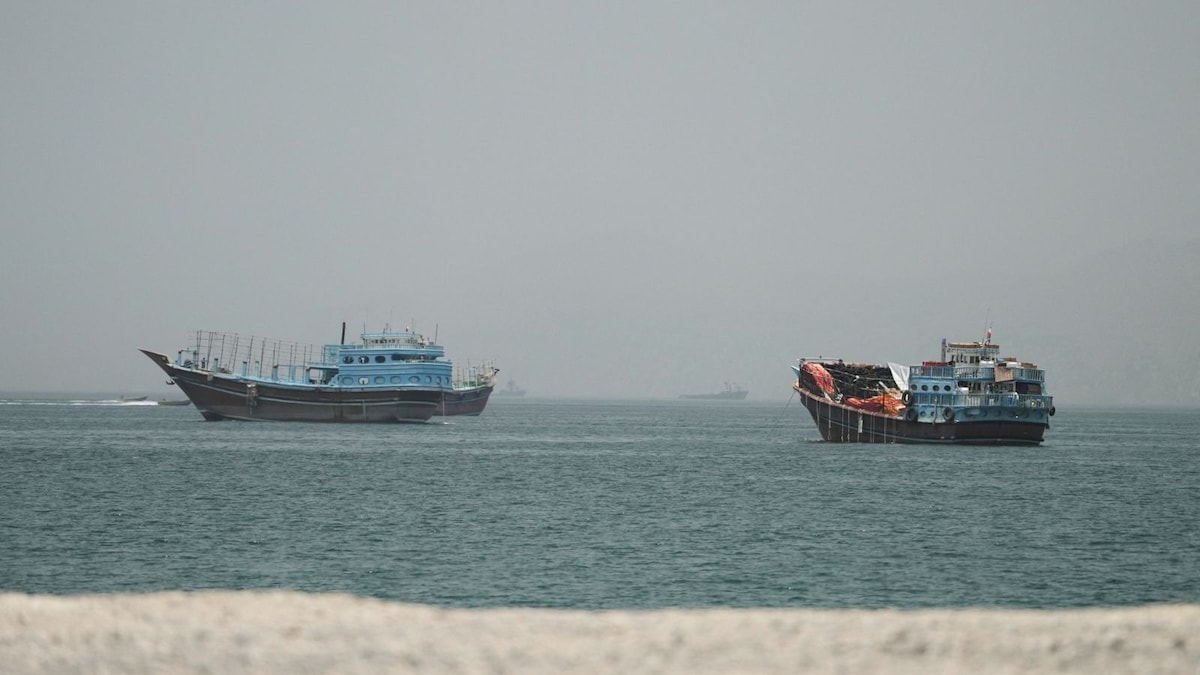
US and Iranian forces establish separate shipping lanes in Strait of Hormuz
The Strait of Hormuz is currently operating under a two-tier maritime system, with vessels divided between a U.S.-supported southern route and an Iranian-controlled northern corridor.

The Strait of Hormuz is operating under a fractured, two-tier maritime system, as U.S. And Iranian forces maintain distinct, competing shipping lanes through the critical waterway.
The Two-Tiered Corridor
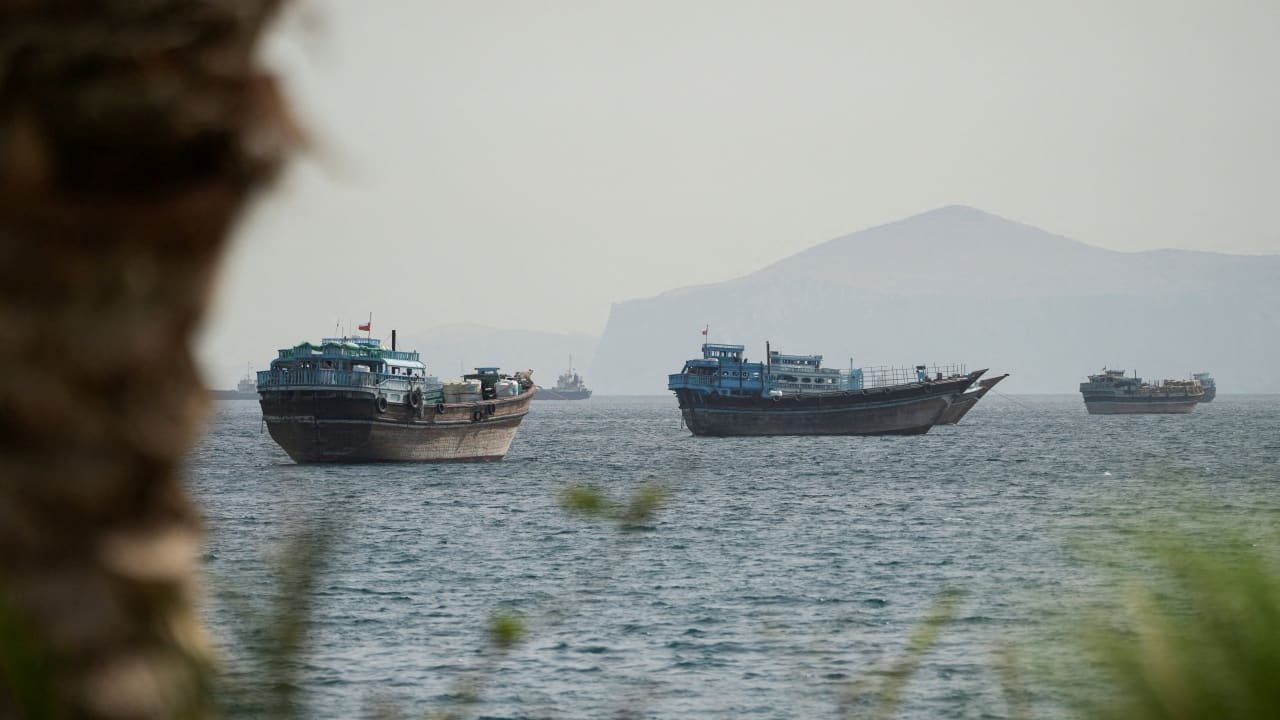
Traffic through the strait has begun to recover from a three-month effective closure, but the transit landscape is split. Vessels are now largely divided between a northern route managed by the Islamic Republic and a southern corridor running through Omani territorial waters, supported by the United States.
Related media

_20260616100721_Bloomberg_2.jpg)
For ships attempting to exit the Persian Gulf via the southern path, U.S. Central Command provides advisory support. This includes monitoring traffic with radar and drones, and offering guidance on when vessels should disable their Automatic Identification Systems to avoid detection. While Central Command maintains that it is not formally escorting ships, the presence of U.S. Military assets has provided a measure of security for non-Iranian flagged vessels.
Conversely, the Islamic Revolutionary Guard Corps insists that all vessels must follow routes designated by Tehran. The IRGC has warned that any deviation from their approved protocols, or transit outside of their authorized zones, will be met with a forceful response. This tension has led to instances where vessels approaching the southern chokepoint near the Musandam Peninsula have performed sharp U-turns, with some ultimately opting to divert north into Iranian-controlled waters.
Recent Escalations and Diplomatic Friction
The operational divide has been exacerbated by a series of military engagements. Over the past weekend, U.S. Forces conducted strikes in Goruk and on Qeshm Island, destroying Iranian air defenses and ground control stations in response to the downing of an American drone. Concurrently, the U.S. Intercepted ballistic missiles targeting American forces in Kuwait, and naval units disabled a vessel attempting to breach a blockade by firing into its engine room.
Iranian officials continue to assert their role as the sole guarantors of the strait's security. Kazem Gharibabadi, Iran's Deputy Foreign Minister for Legal and International Affairs, stated on social media that the strait is not a theater for military displays by transregional powers and that its security is the responsibility of Iran and Oman alone. Saudi Arabia and other regional partners have expressed apprehension regarding the new arrangements, with Saudi Foreign Minister Prince Faisal bin Farhan questioning why a novel, conflict-driven management structure should be accepted.
Strategic Implications and Market Impact
The shift toward the southern corridor is part of a broader move by regional states to reduce reliance on the strait. Saudi Arabia has increased investment in the East-West Pipeline to reach the Red Sea, and the United Arab Emirates has expanded export capacity through Fujairah, allowing for crude shipments that bypass the chokepoint entirely. These infrastructure projects aim to diminish the leverage Tehran has historically derived from its geographic position.
Recent Transit Overview (June 30 – July 1)
| Route | Support/Control |
|---|---|
| Southern Route | U.S.-supported, Omani territorial waters |
| Northern Route | Iran-approved |
| Combined Crossings (Data from Joint Maritime Information Center) | 65 vessels total (59 via U.S.-supported lane) |
What to Watch Next
- Negotiation Outcomes: Active high-level discussions regarding the future administration of the strait are underway in Doha. The 60-day period for toll-free passage, established under a recent memorandum of understanding, remains a focal point for both U.S. And Iranian negotiators.
- Military Posture: With both U.S. And Iranian forces maintaining high alert levels and frequent patrol operations, the potential for inadvertent escalation in the contested space between the two lanes persists.
While transit volumes have increased since the start of the week, they remain significantly below pre-war levels. The coming weeks will determine whether the current two-tier system serves as a pathway toward long-term stabilization or remains a volatile, temporary solution to a persistent geopolitical impasse.
How significant is this development?
Contribute your assessment to the aggregated reader intelligence ledger.
Archypedia is dedicated to independent, evidence-backed reporting. This briefing was synthesized from primary source reporting, corroborated across independent newsrooms, and verified against our Editorial Standards.
Transparency record
Evidence behind this report
This report synthesizes 11 distinct sources. Open the source ledger below to compare the underlying coverage.
- economictimes.indiatimes.com
- yahoo.com
- timesnownews.com
- moneycontrol.com
- finance.yahoo.com
- theedgemalaysia.com
- foxnews.com
- timesofindia.indiatimes.com
- inkl.com
- livemint.com
- lloydslist.com
Prepared under the Archypedia Editorial Policy by the Samir Haddad editorial desk profile. AI-assisted tools may support drafting and verification; public accountability remains with Archypedia. Report an error.