Science
Spriggina fossils reveal evidence of right-handedness 550 million years ago
A study of Spriggina fossils suggests these Ediacaran creatures moved with a consistent rightward bias, indicating a sophisticated nervous system.
A study of Spriggina fossils suggests these Ediacaran creatures moved with a consistent rightward bias, indicating a sophisticated nervous system.
A 67-million-year-old T. rex skeleton known as Gus has sold for a record $50.1 million at auction, fueling ongoing debate regarding private ownership.
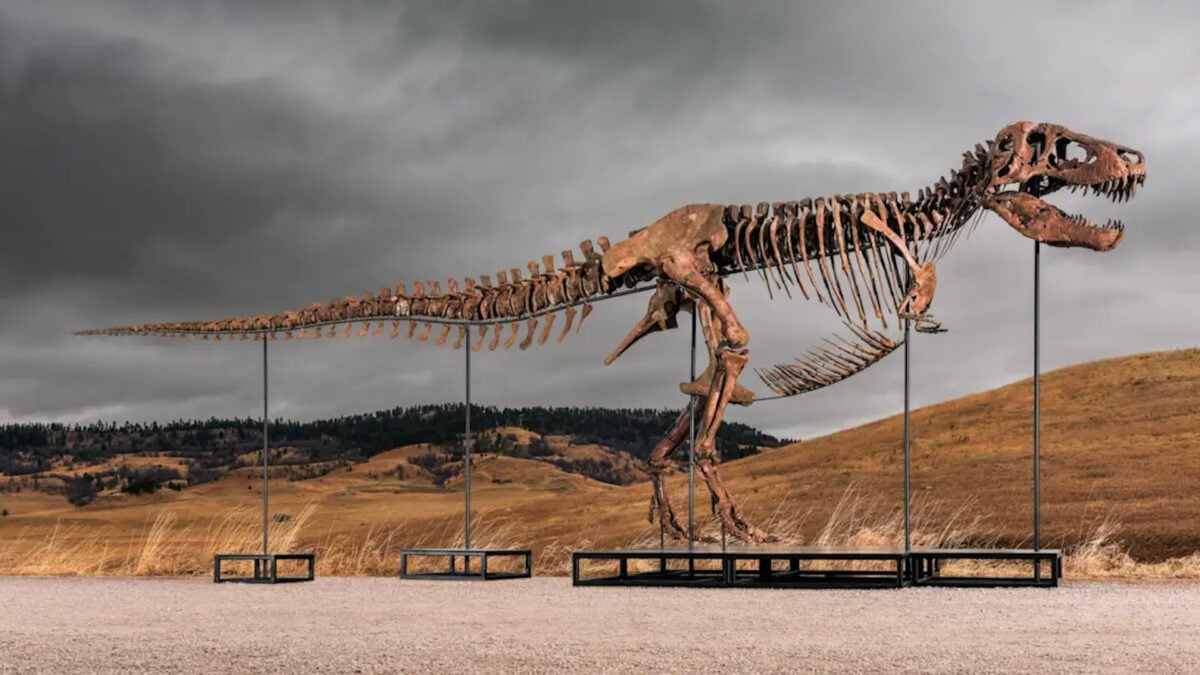
The T. rex skeleton 'Gus' is set to headline a New York City auction, reflecting a widening global market for prehistoric fossils.
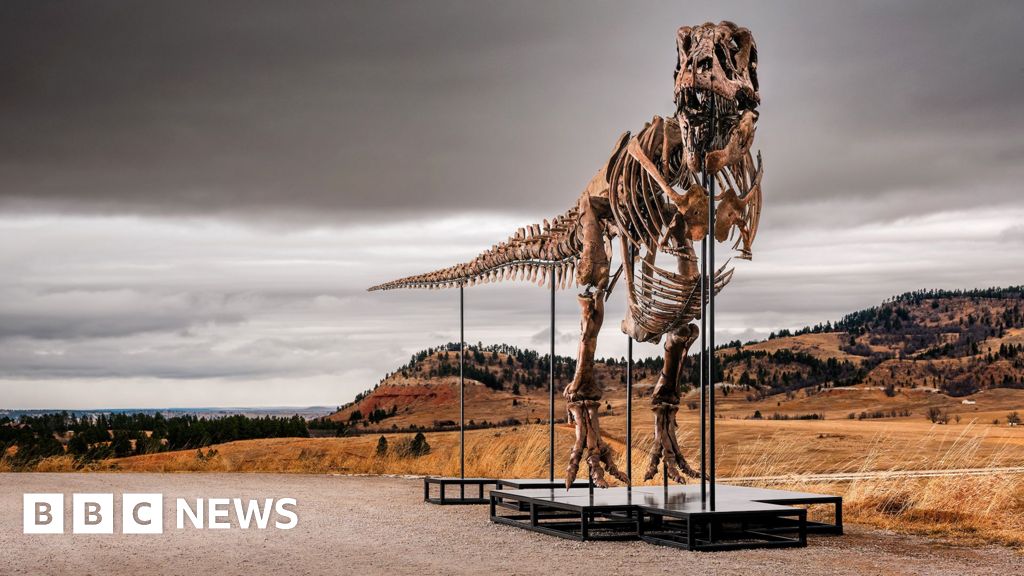
The T. rex fossil named Gus is set to headline a Sotheby's auction in New York, fueling a debate between paleontologists and the private fossil market.
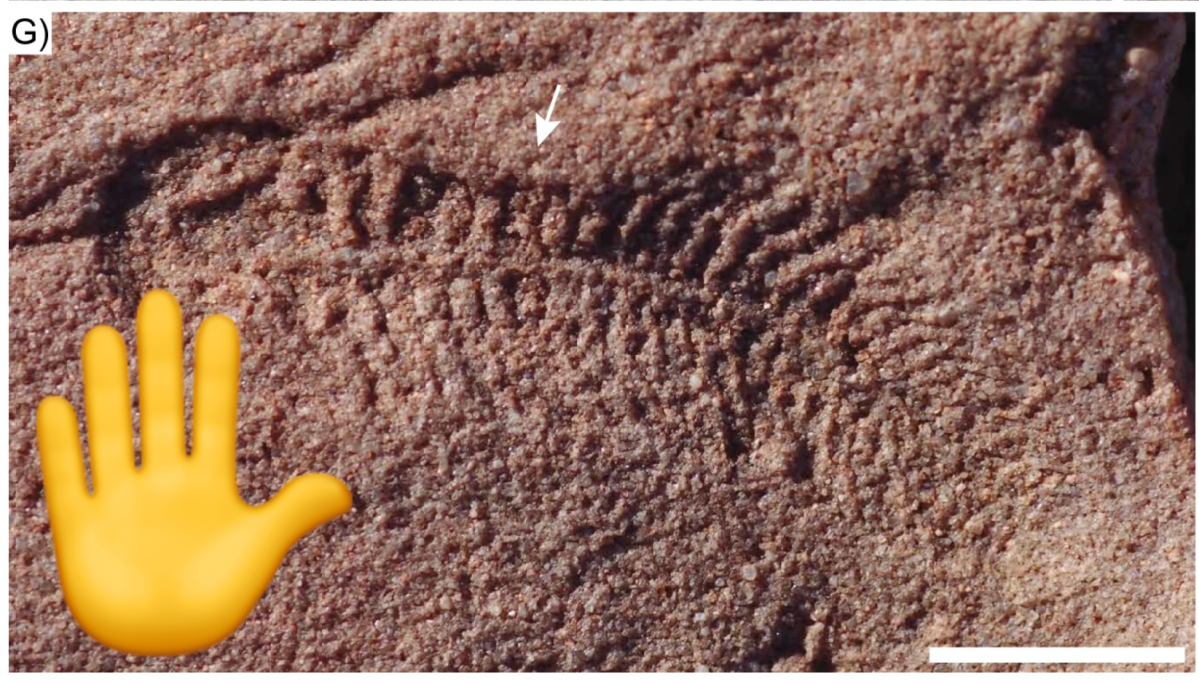
Researchers found evidence of behavioral handedness in Spriggina fossils, suggesting these early animals possessed an evolutionary preference for the right side.

Scientific findings reframe the Permian-Triassic extinction as a series of regional environmental failures rather than a singular, global event.
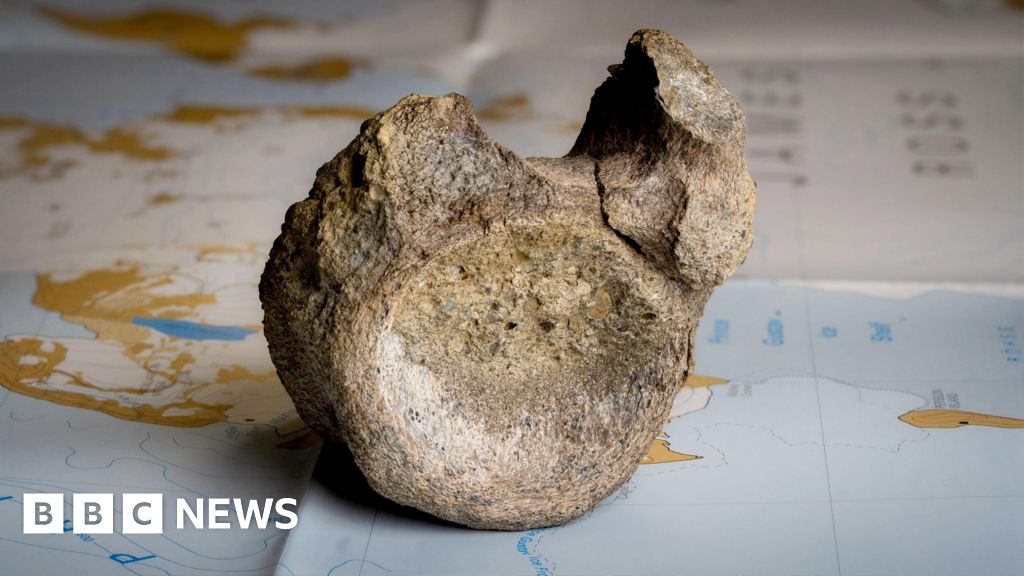
A long-overlooked fossil collected in 1985 has been identified as a titanosaur vertebra, marking the first confirmed dinosaur find on the continent.
Paleontologists have identified a fossil discovered in 1985 as a tail vertebra from a titanosaur, marking the first dinosaur bone recovered from Antarctica. The specimen had been stored in a collection for nearly four decades before its true significance was realized.

Stored in a museum for decades, an Antarctic fossil has been identified as a titanosaur vertebra. The discovery offers insight into the ecosystem of the continent during the Late Cretaceous.
A tail vertebra unearthed on James Ross Island in 1985 has been confirmed as the first dinosaur fossil ever collected in Antarctica. The specimen remained misidentified in storage for decades before recent analysis revealed its true origin.