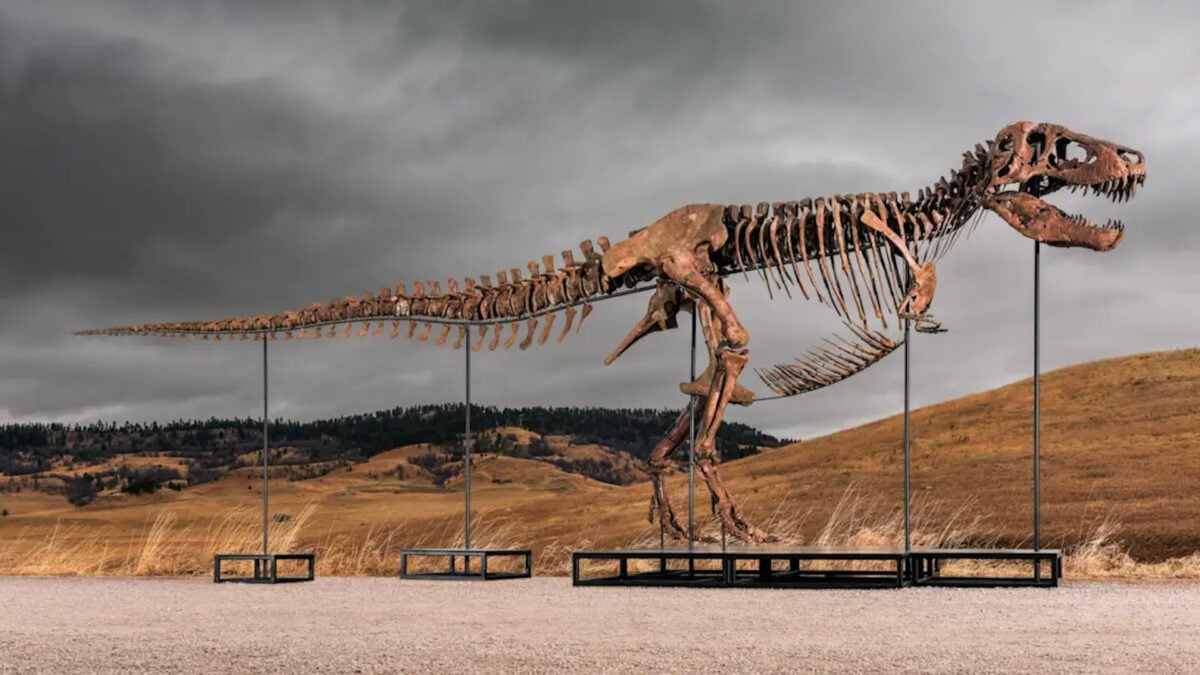
Gus the T. rex fossil could become most expensive dinosaur sold at auction
The T. rex fossil named Gus is set to headline a Sotheby's auction in New York, fueling a debate between paleontologists and the private fossil market.
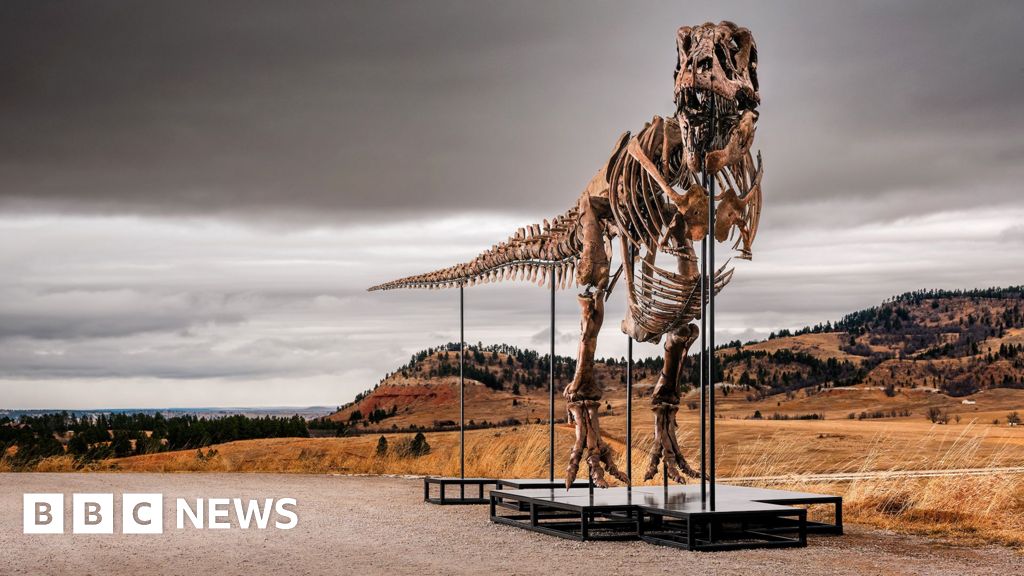
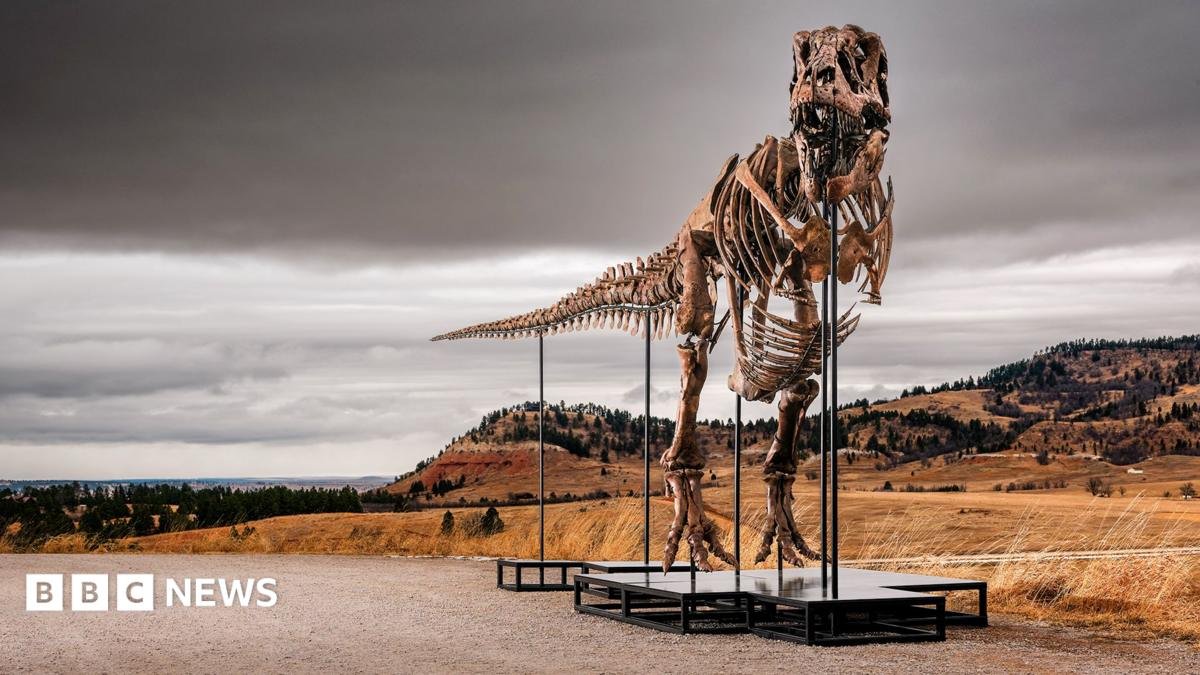
A Tyrannosaurus rex fossil known as Gus is set to headline Sotheby's Natural History auction in New York, where it could potentially become the most expensive dinosaur ever sold at auction. This event arrives nearly 30 years after the 1997 debut of natural history auctions, which originally served as a niche venue for museums to acquire specimens, such as the T. Rex named Sue, which was purchased by the Field Museum in Chicago for $8 million (£6 million).
The fossil was discovered in Harding County, South Dakota, on land owned by the late Gary "Gus" Licking. After years of finding teeth and small bone fragments on the ranch, Licking partnered with Thomas Heitkamp and the team at Theropoda Expeditions to begin excavation. The process spanned three summers of digging, followed by three additional years of laboratory work to clean, document, and reconstruct the skeleton. The resulting specimen is approximately 38 feet long and 12.5 feet tall, and contains 183 bone elements, representing about 63% of the animal by bone count. According to Sotheby's, the skull is 82% complete, and the fossil shows signs of a violent life, including healed rib fractures and bite marks on the skull and other skeletal elements.
Related media
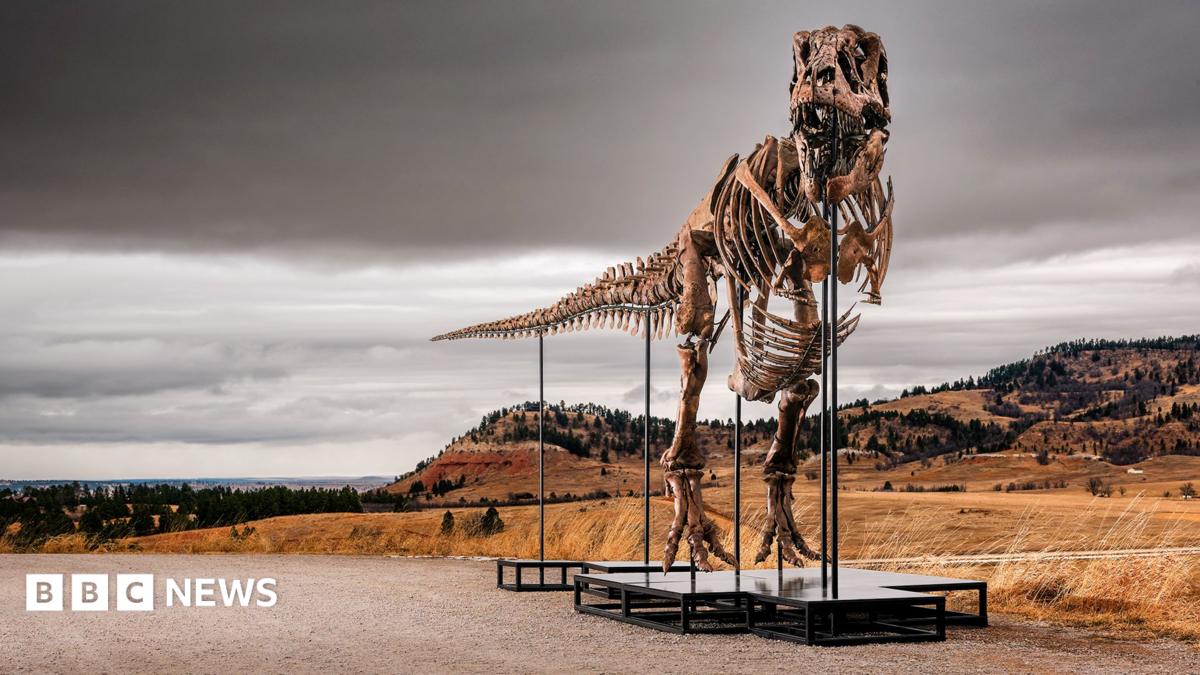
The upcoming sale has ignited a debate regarding the role of private collectors in paleontology. Cassandra Hatton, global head of natural history at Sotheby's, maintains that the high prices reflect the immense time, risk, and technical skill required to excavate such specimens. She argues that many individuals performing this work are not wealthy and rely on the market to recoup their investments. Hatton notes that she has reached out to museums globally to encourage their participation in the auction to ensure significant specimens enter the public trust. She says of the excavators:
"The people that look for these fossils will spend months out in the field with tents and their food in their backpacks and they're camping out in the middle of nowhere with the rattlesnakes and the bugs and the mountain lions."
However, many researchers view the trend of private fossil sales with alarm. Prof. Susannah Maidment of London's Natural History Museum states that many major institutions are currently priced out of the market. She and other scientists argue that fossils in private hands are often rendered inaccessible for study. Because reputable scientific journals typically refuse to publish research conducted on specimens that cannot be revisited by the wider community, privately owned fossils are often effectively lost to science. Prof. Maidment warns that if an owner dies, becomes disinterested, or loses the collection in legal disputes, these specimens may vanish into storage or be discarded.
The market for high-profile dinosaurs has escalated rapidly since 2020. The current auction record is held by Apex, a Stegosaurus sold by Sotheby's in 2024 for $44.6 million. That specimen was purchased by Kenneth Griffin, the founder and CEO of Citadel, who subsequently loaned it to the American Natural History Museum for four years. While such loans provide a temporary solution for public access, independent paleontologist Dr. Fiann Smithwick argues that the reliance on the philanthropy of private estates for scientific access is inherently unstable compared to permanent museum ownership.
Despite the concerns regarding scientific access, all parties involved acknowledge the role that professional fossil hunters play in preventing rare specimens from being destroyed by natural erosion. Dr. Smithwick, who works along England's Jurassic coast, notes that many fossils are lost to the environment within hours of being exposed to the elements. By recovering these bones, professional excavators provide the materials that both private collectors and public institutions rely on to further our understanding of the prehistoric world.
Archypedia is dedicated to independent, evidence-backed reporting. This briefing was synthesized from primary source reporting, corroborated across independent newsrooms, and verified against our Editorial Standards.
Transparency record
Evidence behind this report
This report synthesizes 12 distinct sources. Open the source ledger below to compare the underlying coverage.
- theukpulse.co.uk
- bbc.com
- bbc.co.uk
- yahoo.com
- israel-chronicle.com
- livescience.com
- dexerto.com
- aol.com
- popsci.com
- newsbreak.com
- tahrir2day.com
- 7news.com.au
Prepared under the Archypedia Editorial Policy by the Niko Vale editorial desk profile. AI-assisted tools may support drafting and verification; public accountability remains with Archypedia. Report an error.