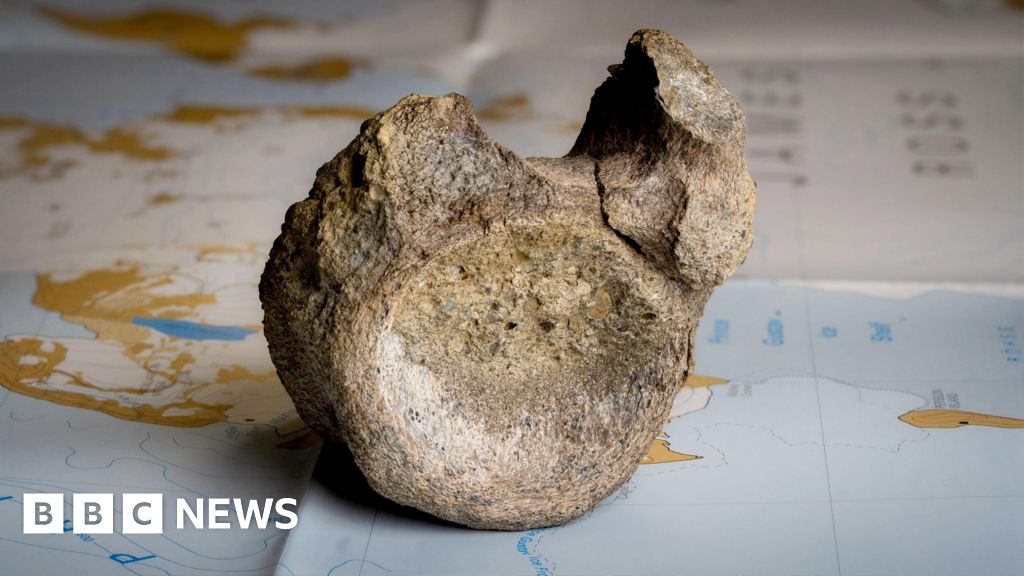
Spriggina fossils reveal evidence of right-handedness 550 million years ago
A study of Spriggina fossils suggests these Ediacaran creatures moved with a consistent rightward bias, indicating a sophisticated nervous system.
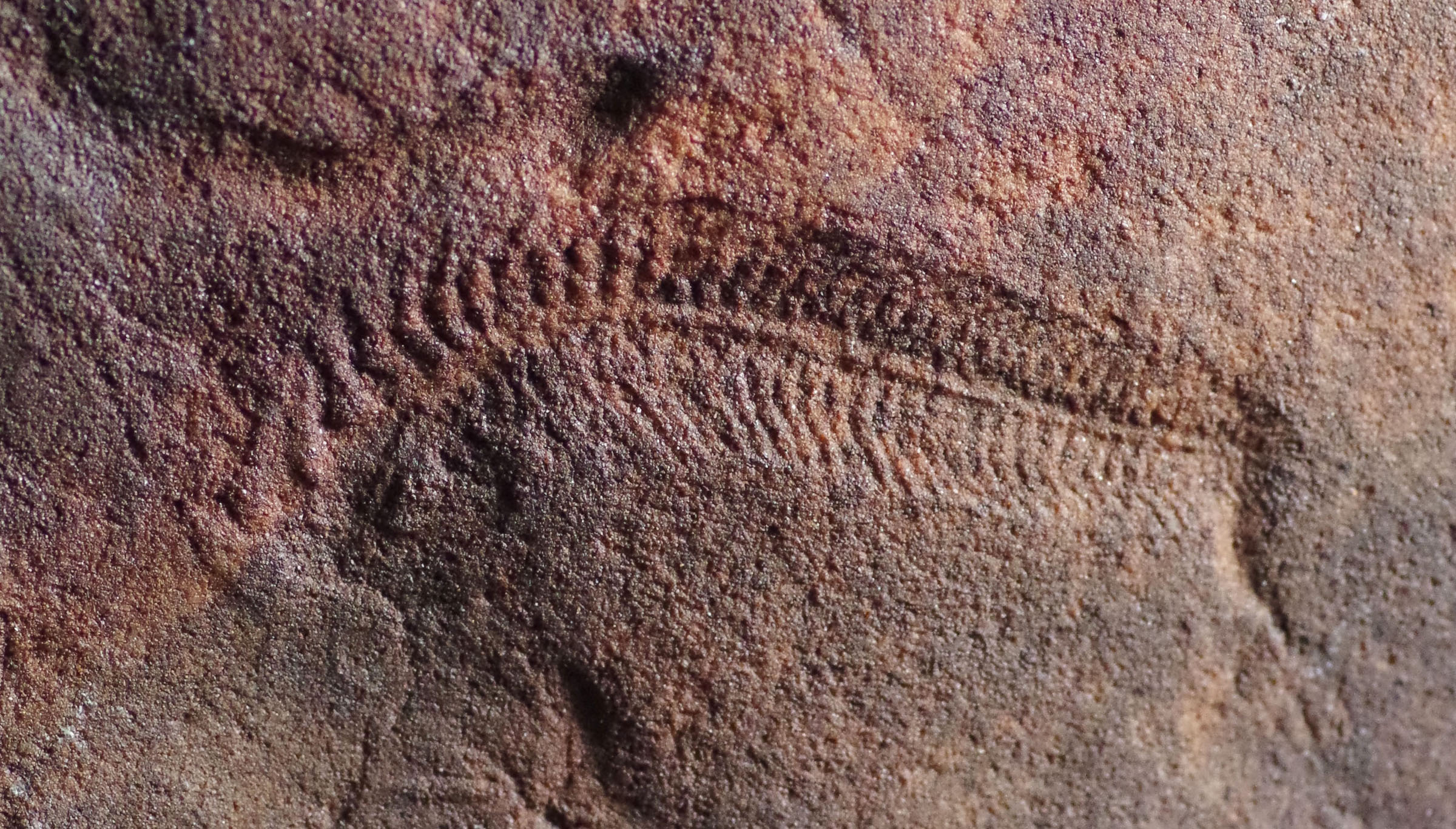
A small, worm-like creature that inhabited seafloors approximately 550 million years ago may have been the earliest animal to exhibit "right-handedness." According to research published in the journal Scientific Reports, the organism Spriggina floundersi displayed a population-level bias for bending toward the right, a behavioral trait previously thought to be a more modern evolutionary development.
The discovery was made by an international research team, including scientists from the American Museum of Natural History, Florida State University, Harvard University, and the University of California, Riverside. By analyzing more than 100 well-preserved fossils recovered from Nilpena Ediacara National Park in South Australia and the South Australia Museum, the team identified a consistent pattern of asymmetry that suggests deliberate, coordinated movement.
Related video and Instagram post
Challenging the environmental narrative
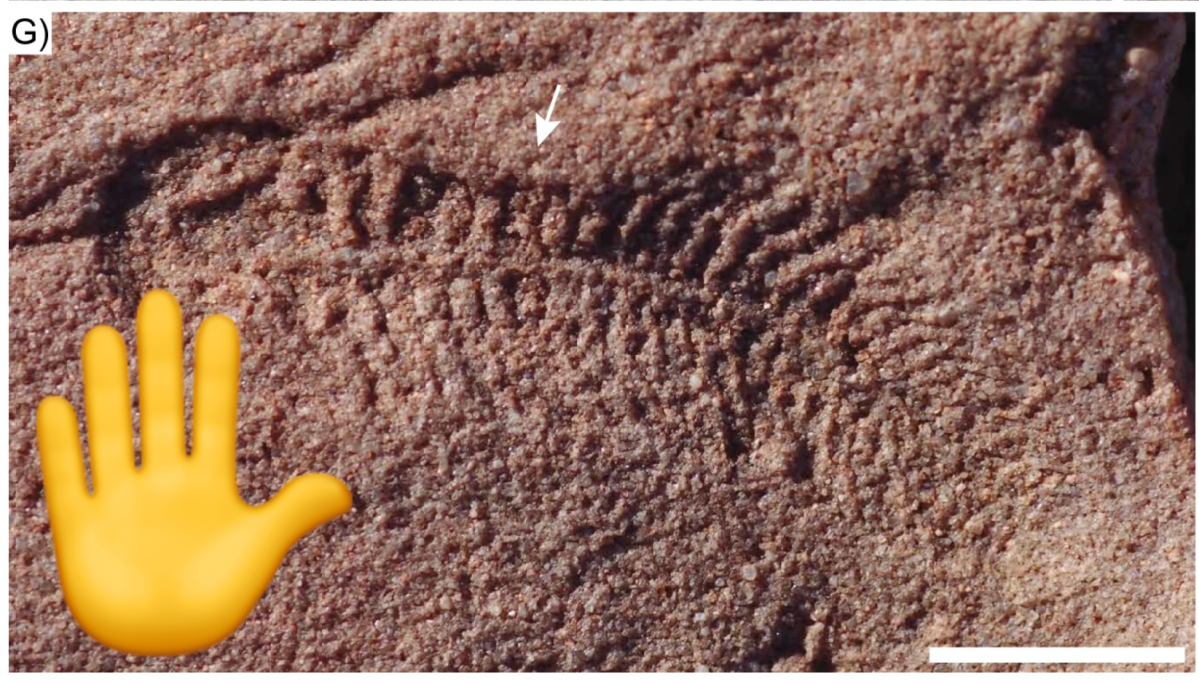
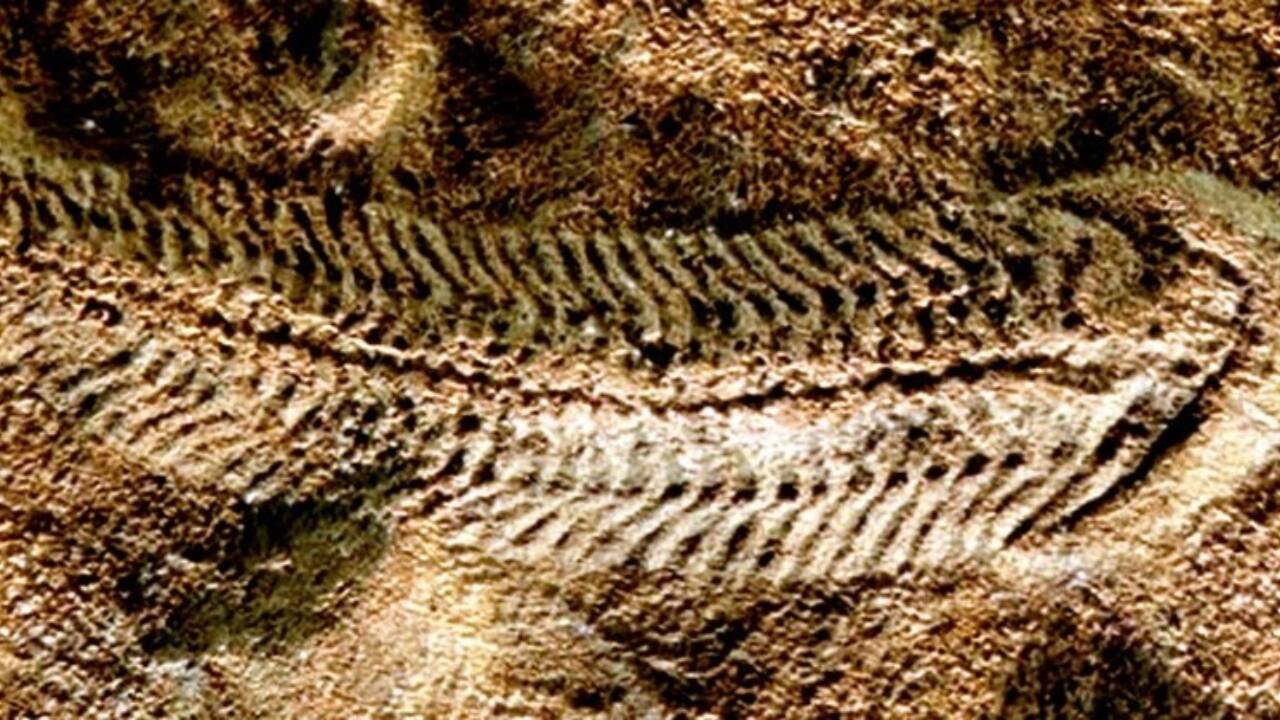
For decades, paleontologists have debated whether the curved shapes found in Spriggina fossils were the result of biological agency or external environmental forces. Because Spriggina was a soft-bodied organism, some experts previously suggested that ancient ocean currents or decay after death could have forced the creatures into curved postures. However, the study provides evidence that these bends were likely the result of active behavioral choices.
Researchers noted that Spriggina specimens found on the same bedding planes showed varied body orientations and differing magnitudes of curvature. If currents had pushed the animals, the fossils would likely have displayed a uniform alignment. Instead, the lack of a shared direction relative to identified current indicators reinforces the argument that the creatures moved independently.
The study found that approximately two-thirds of the examined fossils were bent to the left in the stone. Because these fossils represent natural mirror-image impressions of the animal's upper surface, a leftward bend in the rock corresponds to a body that favored a rightward turn while alive. This two-to-one ratio is statistically significant and mirrors the behavioral lateralization observed in modern animals, ranging from insects to mammals.
Evolutionary implications
The presence of this trait suggests that Spriggina possessed a more sophisticated nervous system than previously recognized. In the animal kingdom, behavioral handedness is often associated with specialized nervous system function. This finding indicates that the biological machinery required for coordinated, asymmetric activity emerged during the Ediacaran Period, long before the Cambrian explosion.
Lead author Scott Evans, an assistant curator of invertebrate paleontology at the American Museum of Natural History, noted that the research broadens the understanding of early animal complexity. When we talk about being right-or-left-handed, most people likely think about how they hold a pencil or kick a soccer ball,
Evans said. But our research shows that an animal without hands or feet, living over 500 million years ago, may have had its own version of handedness.
While the study does not definitively classify Spriggina within any modern taxonomic group, it confirms that the creature was an actively motile organism capable of lifting its front end, rippling its body, and manipulating its segments. This behavior places it as a creature that crawled or glided across microbial mats, representing a pivotal stage in the evolution of animal mobility.
Comparing evolutionary traits
The Spriggina findings are part of a broader shift in how scientists interpret the Ediacara biota. By focusing on behavioral markers rather than just anatomical features, researchers are uncovering a hidden history of animal intelligence and movement.
| Feature | Spriggina floundersi |
|---|---|
| Era | Ediacaran Period (approx. 550 million years ago) |
| Body Type | Bilateral symmetry; segmented |
| Movement | Active, non-sessile |
| Lateral Bias | Rightward (population-level) |
The research into Spriggina highlights that fundamental characteristics once thought to be exclusive to younger, more complex animals were actually present in some of the earliest multicellular life forms.
While the current study focuses on the population-wide preference of Spriggina, the next steps for researchers involve applying these methods to other Ediacaran fossils to see if similar behavioral traits exist across different lineages of early life. This could further confirm that behavioral asymmetry was a common and successful adaptation in the nascent ecosystems of the ancient world.
Archypedia is dedicated to independent, evidence-backed reporting. This briefing was synthesized from primary source reporting, corroborated across independent newsrooms, and verified against our Editorial Standards.
Transparency record
Evidence behind this report
This report synthesizes 10 distinct sources. Open the source ledger below to compare the underlying coverage.
- neurosciencenews.com
- yahoo.com
- aol.com
- earth.com
- popsci.com
- timesofindia.indiatimes.com
- smithsonianmag.com
- ksl.com
- thebrighterside.news
- theconversation.com
Prepared under the Archypedia Editorial Policy by the Niko Vale editorial desk profile. AI-assisted tools may support drafting and verification; public accountability remains with Archypedia. Report an error.