Antarctica's first dinosaur fossil identified as Titanosaur tail bone
A tail vertebra unearthed on James Ross Island in 1985 has been confirmed as the first dinosaur fossil ever collected in Antarctica. The specimen remained misidentified in storage for decades before recent analysis revealed its true origin.
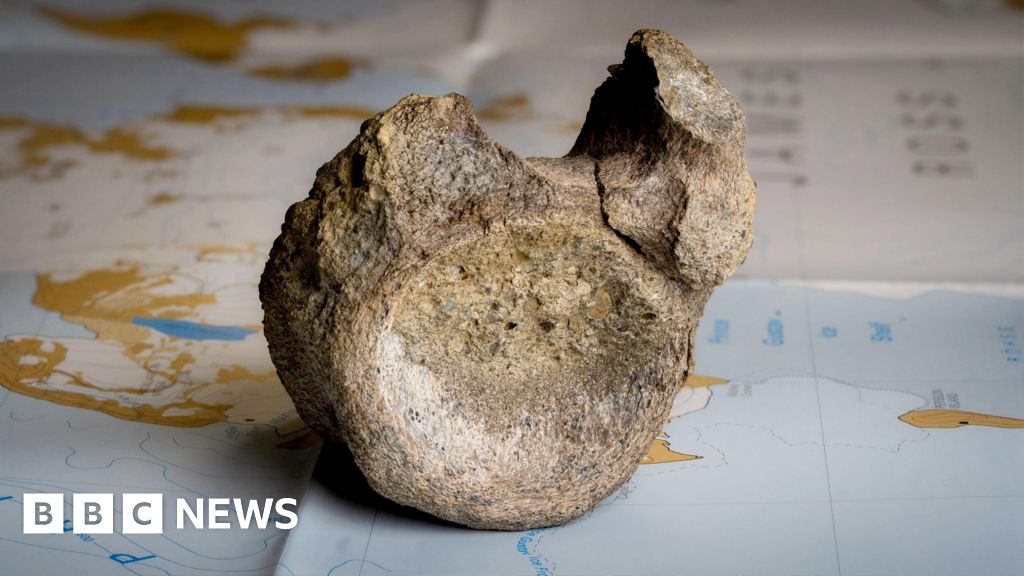
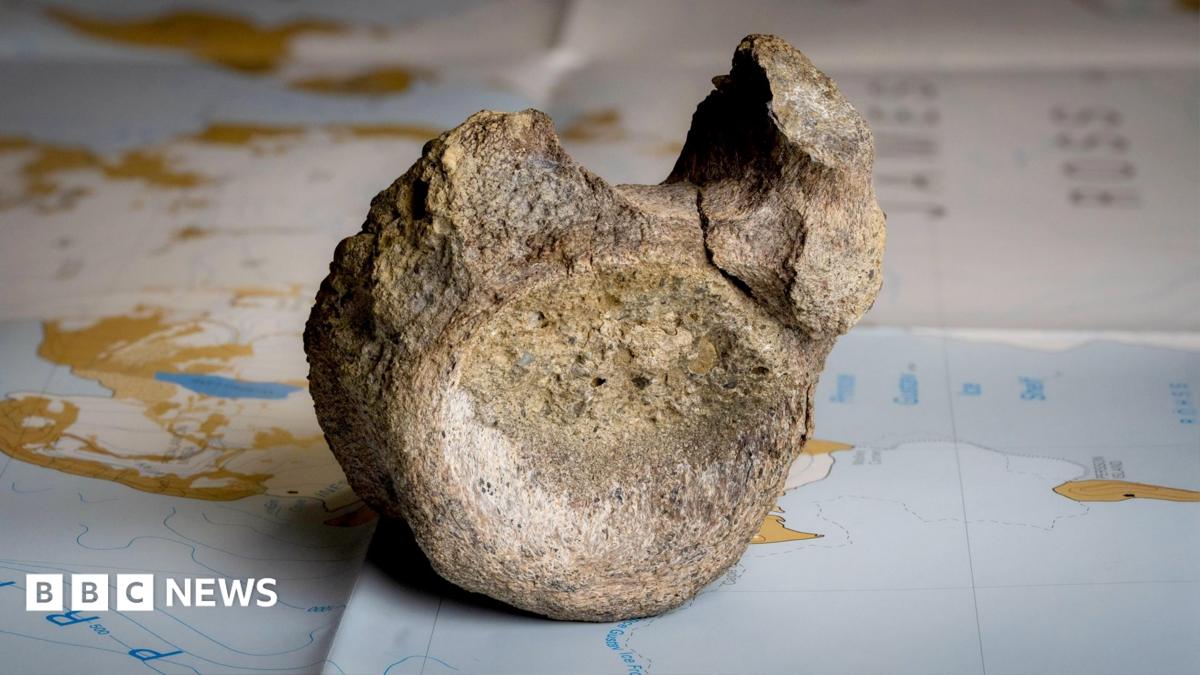
A fossil fragment collected on 9 December 1985 has been identified as the first dinosaur bone ever discovered in Antarctica. The specimen, a tail vertebra belonging to a titanosaur, remained stored in a drawer within the British Antarctic Survey (BAS) geology collection in Cambridge for four decades. While other dinosaur fossils have been identified in the region since the mid-1980s, the recent re-examination of this specific find has confirmed its status as the earliest dinosaur material ever collected from the continent.
Discovery and Identification
The bone was unearthed on James Ross Island during a field expedition. At the time of its recovery, the research team was uncertain of its origin. Geologist Dr. Mike Thomson recorded the find in a field notebook, accompanied by a small sketch, where he described the object as a "vertebra of large reptile" measuring approximately 10 cm in width. Due to this ambiguity, the specimen was placed in storage with thousands of other geological items and was initially believed to belong to a marine reptile.
Related video and Instagram post
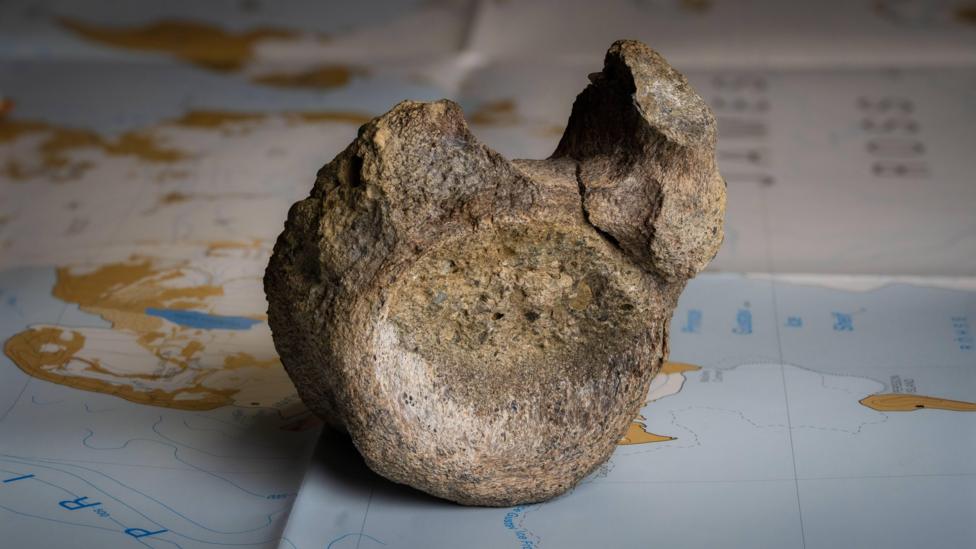
The true nature of the fossil came to light when Dr. Mark Evans, collections manager at BAS, began reviewing archived materials. Upon encountering the vertebra, Evans noted characteristics that appeared distinctly dinosaurian.
"It's only when you start thinking 'what's in this drawer', that sometimes you come across something and you think, 'Ah, this looks interesting'"
Dr. Mark Evans, Collections Manager at BAS, via BBC
To confirm his hypothesis, Evans consulted Professor Paul Barrett of the Natural History Museum. Barrett verified the identification by analyzing the bone's structure, noting a hollow on one end and a rounded bump on the other. This configuration corresponds to the ball-and-socket joints characteristic of titanosaur tails.
"As soon as I saw it, I knew what we were dealing with… it was a dead cert we were dealing with a Titanosaur. This is a combination of features that's completely unique to these types of dinosaurs"
Professor Paul Barrett, Natural History Museum, via BBC
Characteristics and Historical Context
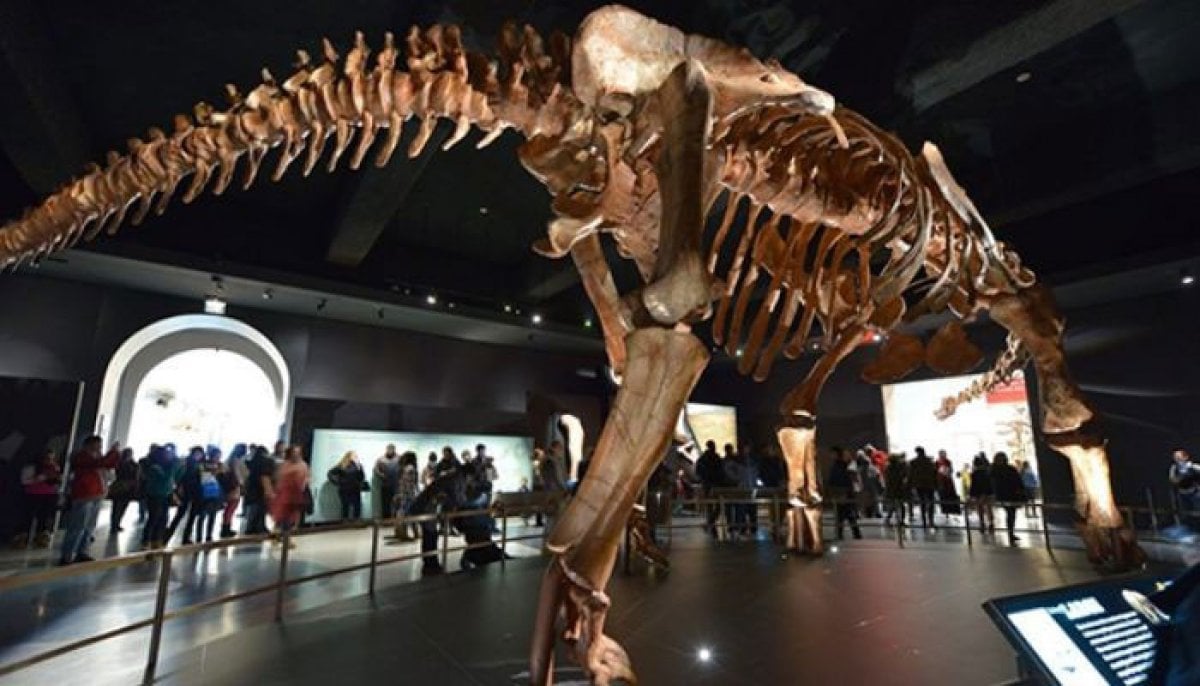
Titanosaurs were a group of four-legged, herbivorous dinosaurs known for their long necks and tails. While members of this group are often cited as the largest land animals to ever inhabit Earth—with some reaching lengths exceeding 115ft (35m) and weights of 60 tonnes—the specimen from James Ross Island suggests a smaller individual. Measuring roughly 23ft (7m) in length, researchers posit that the creature may have been a juvenile or a smaller-bodied adult.
The dinosaur lived approximately 82 million years ago during the Late Cretaceous Period. During this interval, the environment in Antarctica was significantly different from the current ice-covered landscape, consisting instead of lush, temperate forests that supported a variety of large herbivores.
Future Implications
The identification of this titanosaur bone emphasizes the ongoing importance of maintaining and periodically reviewing museum archives. As comparative data improves and analytical tools evolve, long-stored specimens may yield new scientific breakthroughs without the need for additional expeditions.
Antarctica continues to be a demanding environment for researchers. Extreme weather and vast, shifting ice sheets often obscure the geological record, rendering fossil discoveries rare and access difficult. Nevertheless, experts maintain that these findings are essential for reconstructing the ancient ecosystems that existed at the bottom of the world.
"It shows that an area that we now think is really uninhabitable was once actually very habitable and had this huge cast of characters living on it"
Professor Paul Barrett, Natural History Museum, via BBC
How significant is this development?
Contribute your assessment to the aggregated reader intelligence ledger.
Archypedia is dedicated to independent, evidence-backed reporting. This briefing was synthesized from primary source reporting, corroborated across independent newsrooms, and verified against our Editorial Standards.
Transparency record
Evidence behind this report
This report synthesizes 8 distinct sources. Open the source ledger below to compare the underlying coverage.
- bbc.com
- bbc.co.uk
- thenews.com.pk
- newsbytesapp.com
- theukpulse.co.uk
- thesheffieldpress.com
- archynewsy.com
- aol.com
Prepared under the Archypedia Editorial Policy by the Niko Vale editorial desk profile. AI-assisted tools may support drafting and verification; public accountability remains with Archypedia. Report an error.

