Gus the T. rex fossil sells for record 50.1 million dollars at auction
A 67-million-year-old T. rex skeleton known as Gus has sold for a record $50.1 million at auction, fueling ongoing debate regarding private ownership.
A fossilized Tyrannosaurus rex skeleton nicknamed "Gus" set a new world record on Tuesday, selling at Sotheby's in New York for $50.1 million. The sale, which concluded after a 10-minute competition among seven bidders, underscores the escalating market value for prehistoric specimens and continues a trend of high-profile fossil auctions that has drawn significant scrutiny from the scientific community.
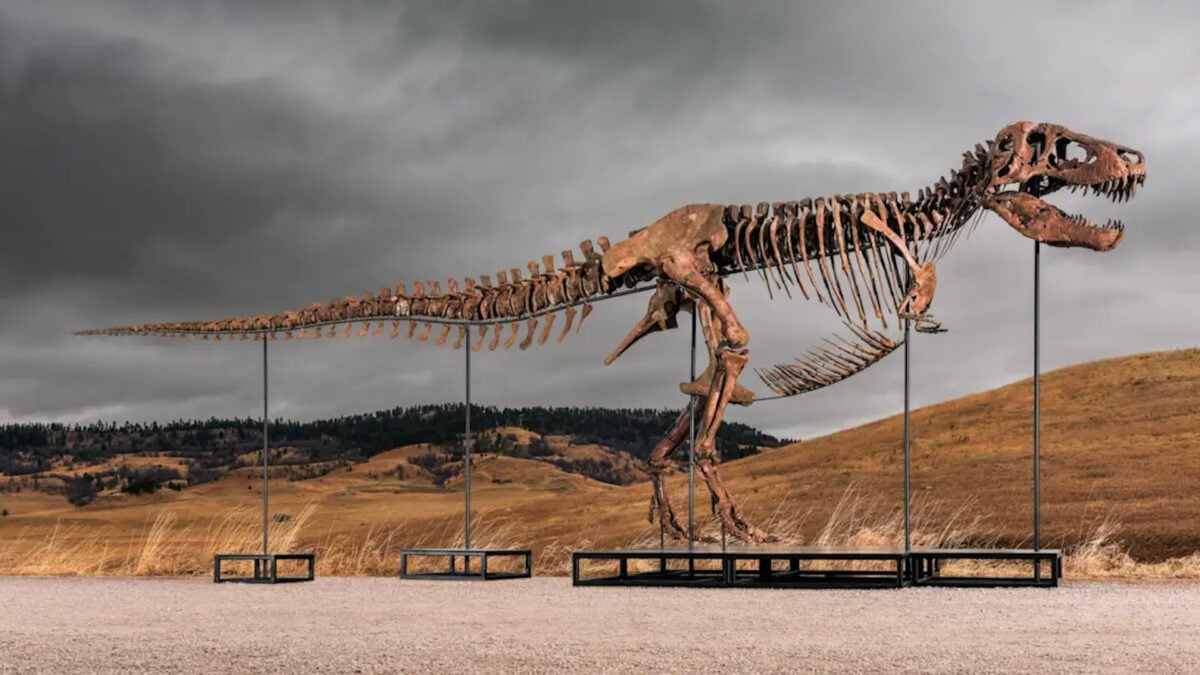
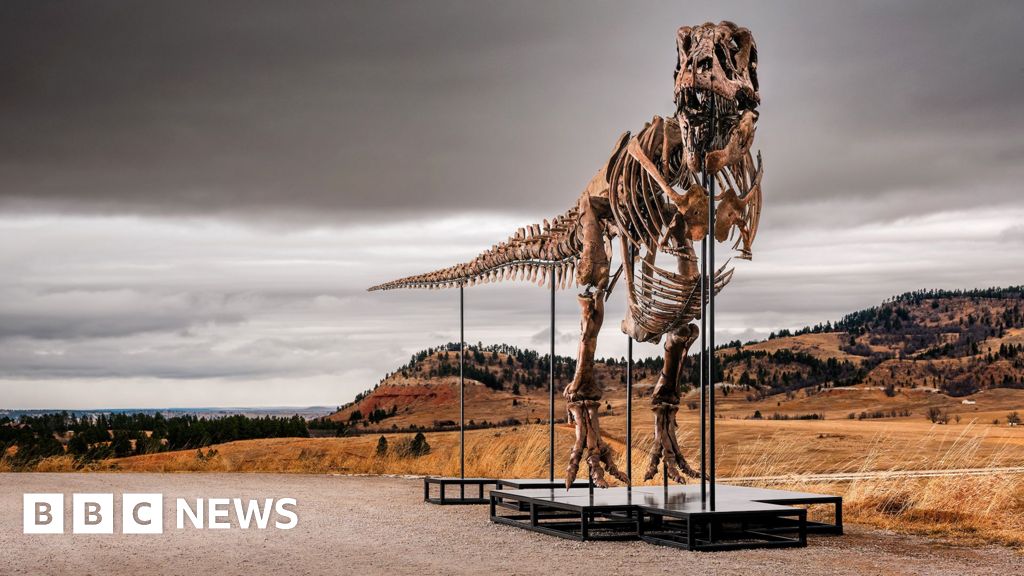
The skeleton stands at 12.5 feet tall and measures approximately 38 feet in length. Excavated from a cattle ranch in Harding County, South Dakota, between 2021 and 2023, the fossil consists of 183 bone elements. According to the auction house, the specimen is additionally notable for the inclusion of 30 rarely preserved belly ribs, known as gastralia. While Sotheby's has provided varying figures regarding the completeness of the skeleton—citing approximately 61% to 63%—experts note that such a degree of intact remains is exceptionally rare. Since the first T. Rex discovery in 1902, only a small number of skeletons have reached a similar threshold of completeness.
Related media


The fossil is named for the late Gary "Gus" Licking, the ranch owner on whose land the remains were first located by Thomas Heitkamp of the commercial outfit Theropoda Expeditions. The skeleton displays evidence of its life in the late Cretaceous period, featuring healed fractures in its ribs and evidence of bite marks on the skull and right dentary, which researchers attribute to either inter-species combat or post-mortem scavenging. The specimen is estimated to be 67 million years old.
A Shifting Market for Paleontology
The sale price significantly exceeded the auction house's pre-sale estimate of $20 million to $30 million. This result marks the highest price ever paid for a dinosaur fossil at auction, surpassing the previous record set in 2024 when a Stegosaurus named Apex was purchased for $44.6 million.
The increasing commodification of these specimens has drawn vocal criticism from academic paleontologists who argue that private ownership hampers the progress of science. Professor Richard Butler of the University of Birmingham noted that fossils held in private collections often become inaccessible to researchers.
"A fossil not in a recognised museum collection cannot be studied and is therefore lost to research. Prices are increasingly out of the reach of museums, much to the detriment of science."
Richard Butler, vertebrate palaeontologist at the University of Birmingham, via The Guardian
While acknowledging the ethical concerns raised by his peers, Professor Stephen Brusatte of the University of Edinburgh recognized the legality of the transaction under current United States law, which grants landowners full property rights over fossils found on their soil. This regulatory framework distinguishes the U.S. From countries like Brazil or Mongolia, where all prehistoric fossils are designated as state property.
Market Trends and Ownership
Cassandra Hatton, the vice chair and head of science and natural history at Sotheby's, emphasized that the auction represents the primary avenue for individuals to acquire such pieces.
"The United States is the only country in the world where fossils like this are considered personal property. If you own the land, you own the fossil and you have the right to sell it. So if you want a dinosaur, this is the only place that you can get it."
Cassandra Hatton, vice chair and head of science and natural history at Sotheby's, via Yahoo News
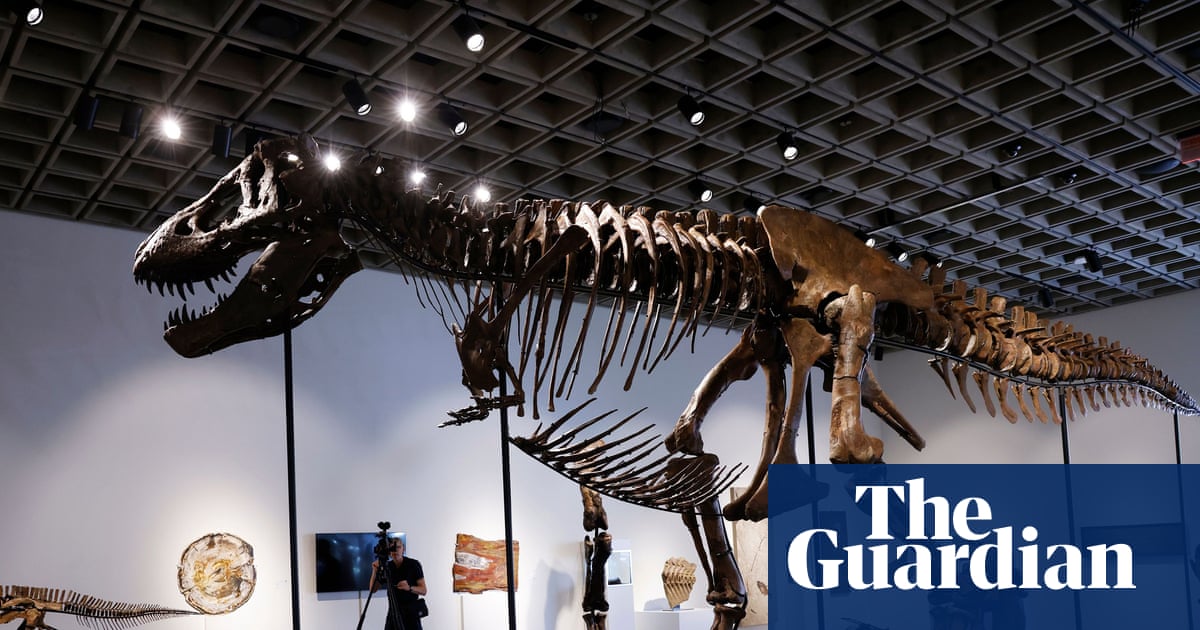
As the anonymous buyer takes possession of the specimen, the logistics of housing the find remain complex. Due to its scale and physical fragility, the auction house categorized the skeleton as a monumental item requiring specialized handling. The fossil's skull, recognized for its exceptional preservation, was displayed separately from the main mount during the lead-up to the sale at the auction house’s headquarters.
Dana Licking, the widow of the late landowner, expressed interest in the broader public impact of the find, stating, "It will be exciting to see how many others will get to enjoy this spectacular discovery."
Archypedia is dedicated to independent, evidence-backed reporting. This briefing was synthesized from primary source reporting, corroborated across independent newsrooms, and verified against our Editorial Standards.
Transparency record
Evidence behind this report
This report synthesizes 6 distinct sources. Open the source ledger below to compare the underlying coverage.
Prepared under the Archypedia Editorial Policy by the Niko Vale editorial desk profile. AI-assisted tools may support drafting and verification; public accountability remains with Archypedia. Report an error.