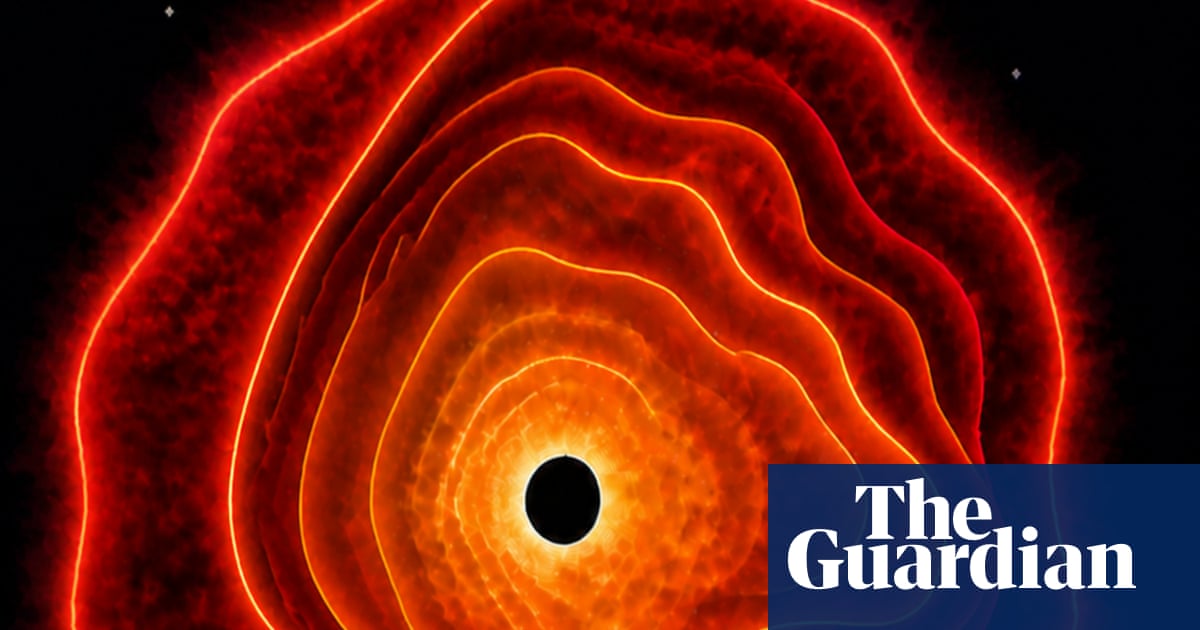
Science
Astronomers discover a new kind of cosmic object – a black hole ‘star’
Astronomers using the James Webb Space Telescope identified MoM-BH*-1, an unprecedented black hole star formed 660 million years after the big bang.
Astronomers using the James Webb Space Telescope identified MoM-BH*-1, an unprecedented black hole star formed 660 million years after the big bang.
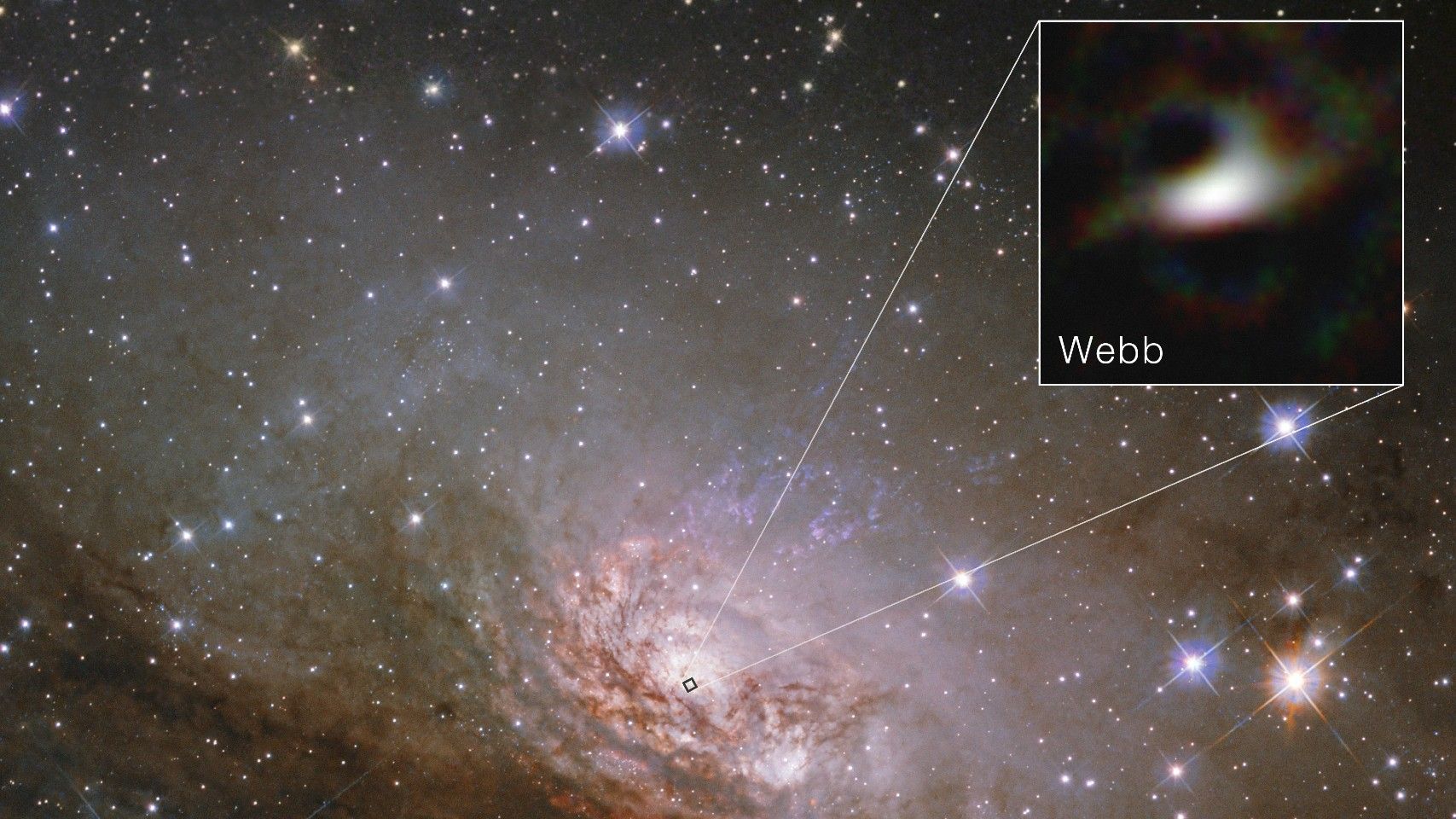
New observations from the James Webb Space Telescope are challenging established timelines of galactic evolution by revealing how supermassive black holes grow.
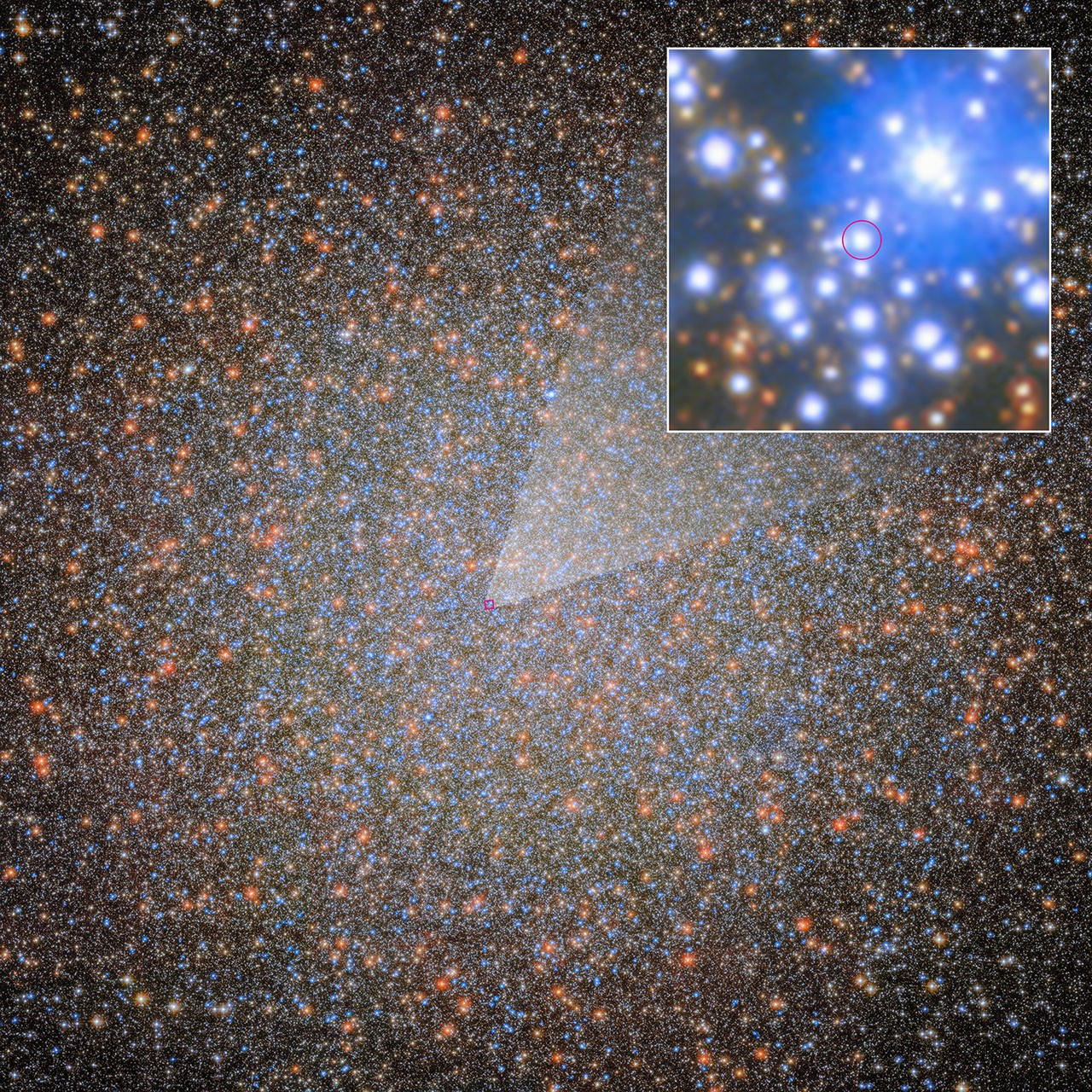
Researchers confirmed a stellar-mass black hole in Omega Centauri by tracking the 94-year orbital path of a companion star using two decades of data.
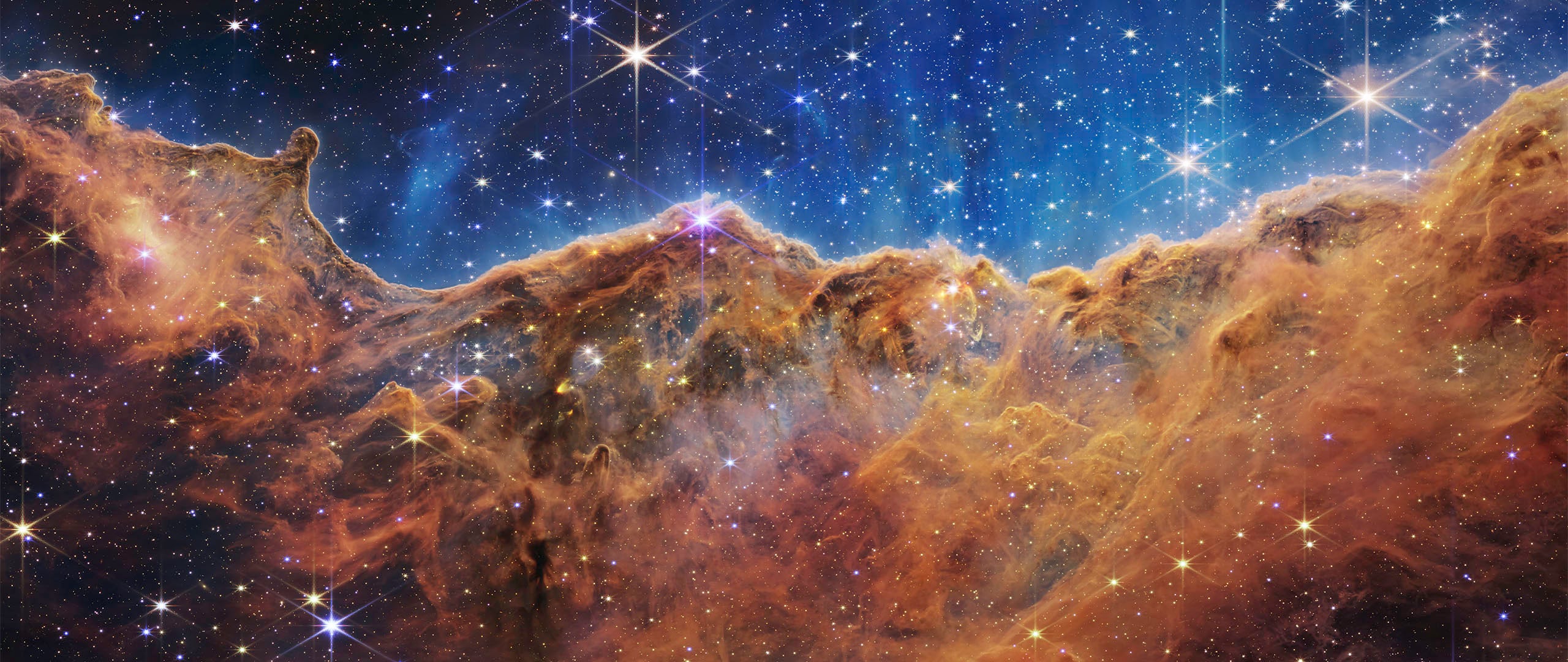
Marking four years of operations, the James Webb Space Telescope has used its infrared capabilities to transform our understanding of the universe.

A study of the exoplanet WD 1856 b provides the first evidence of an atmosphere on a planet transiting a white dwarf star.
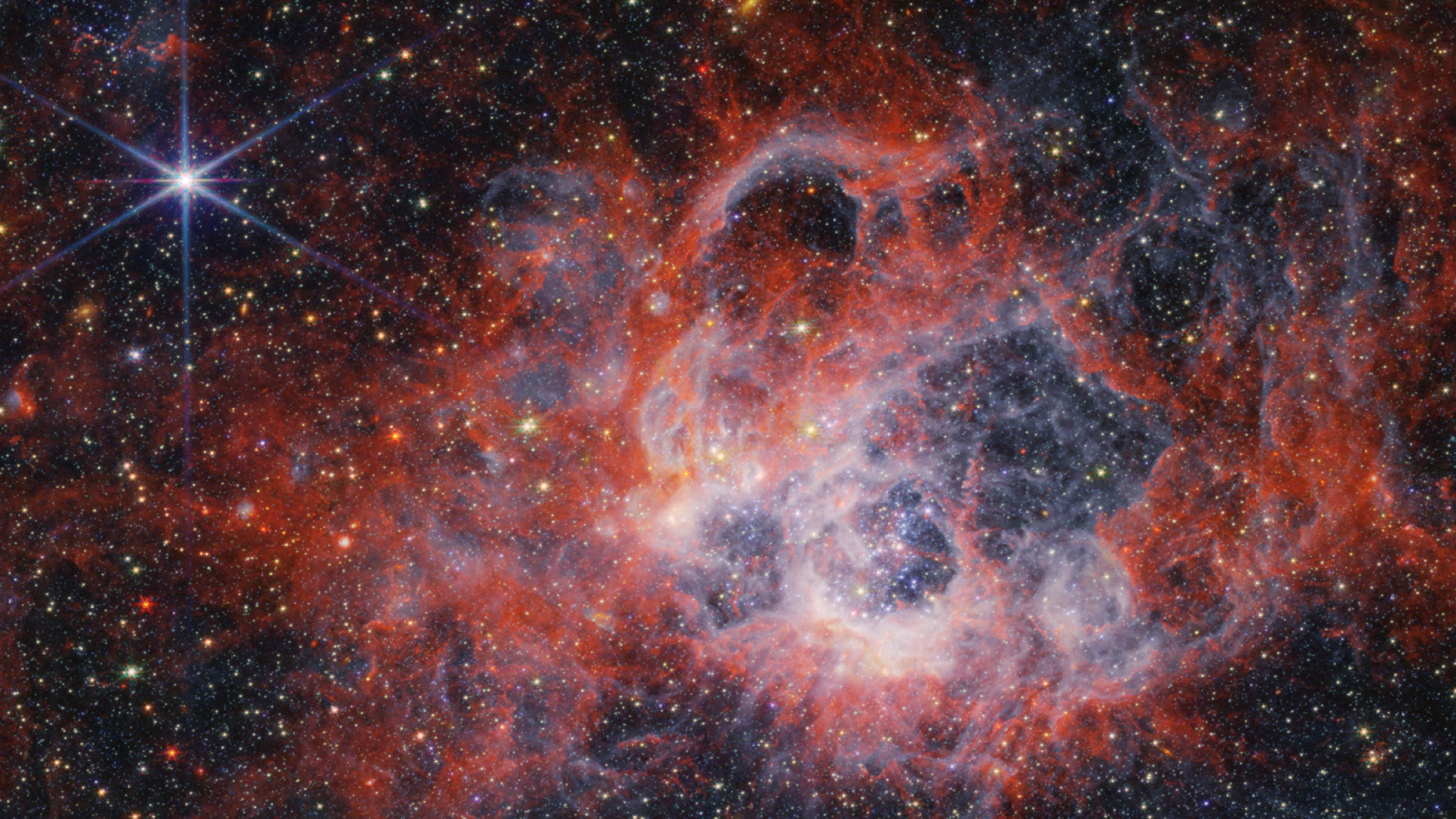
Observations reveal that 14 galaxies in the early universe prematurely ceased star formation, suggesting a complex, bursty cycle of stellar evolution. These findings challenge standard cosmological models that predicted early galaxies would be defined by constant growth.
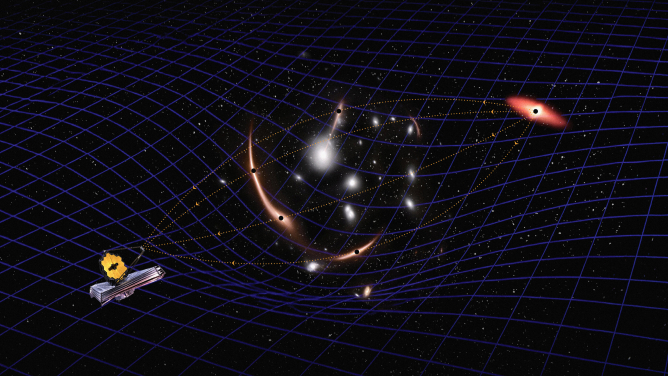
Astronomers have successfully measured the mass of a dormant supermassive black hole in the early universe by leveraging gravitational lensing.
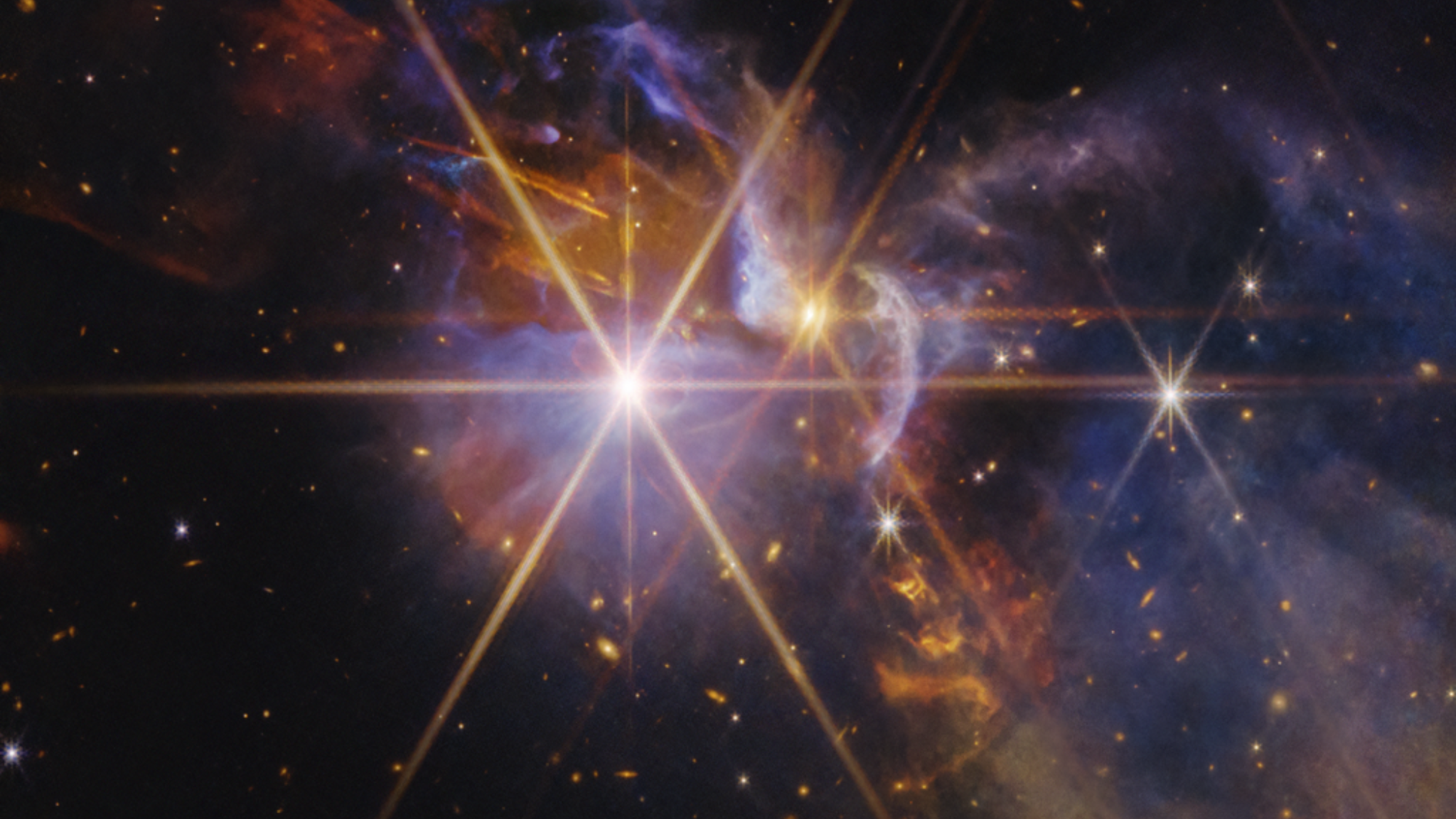
New infrared imagery from the James Webb Space Telescope offers a look at the birth of stars within the dust-shrouded FS Tau region. These findings provide evidence that protostars accumulate mass through discrete, energetic episodes rather than steady growth.

New high-resolution imagery from the James Webb Space Telescope pierces through dense galactic dust to unveil the internal structure of the starburst galaxy M82.