Iran begins funeral ceremonies for late Supreme Leader Ali Khamenei
Tehran has launched state funeral ceremonies for Ayatollah Ali Khamenei to project national unity and resilience following his death in February 2026.
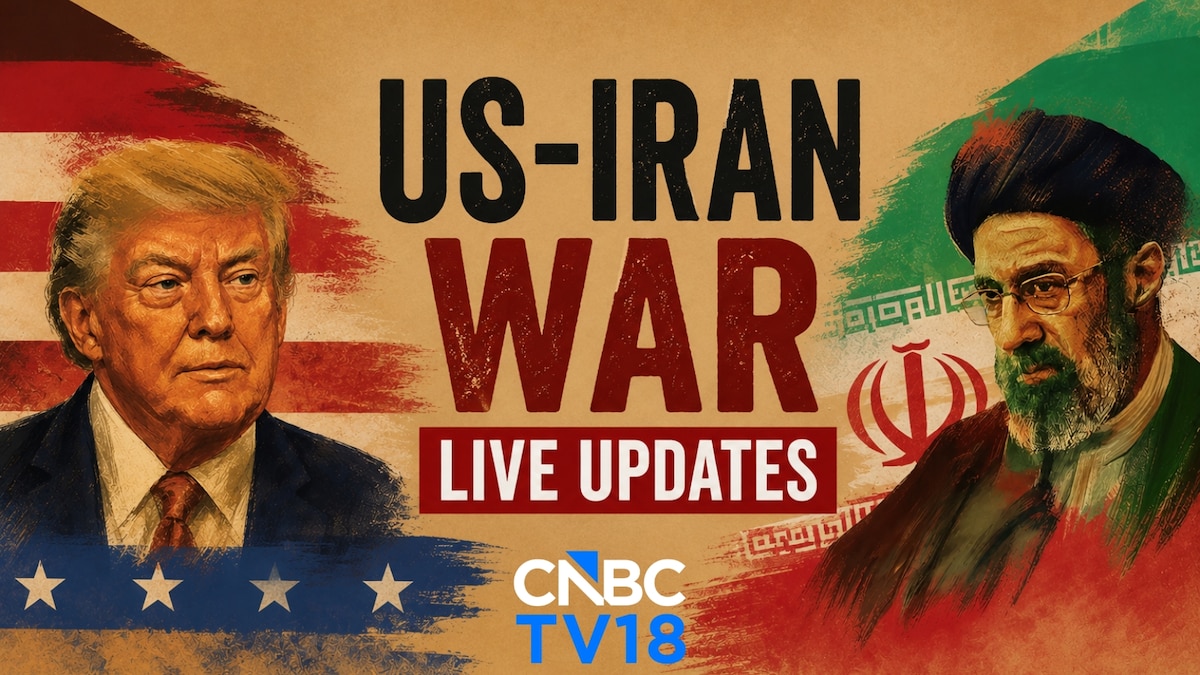
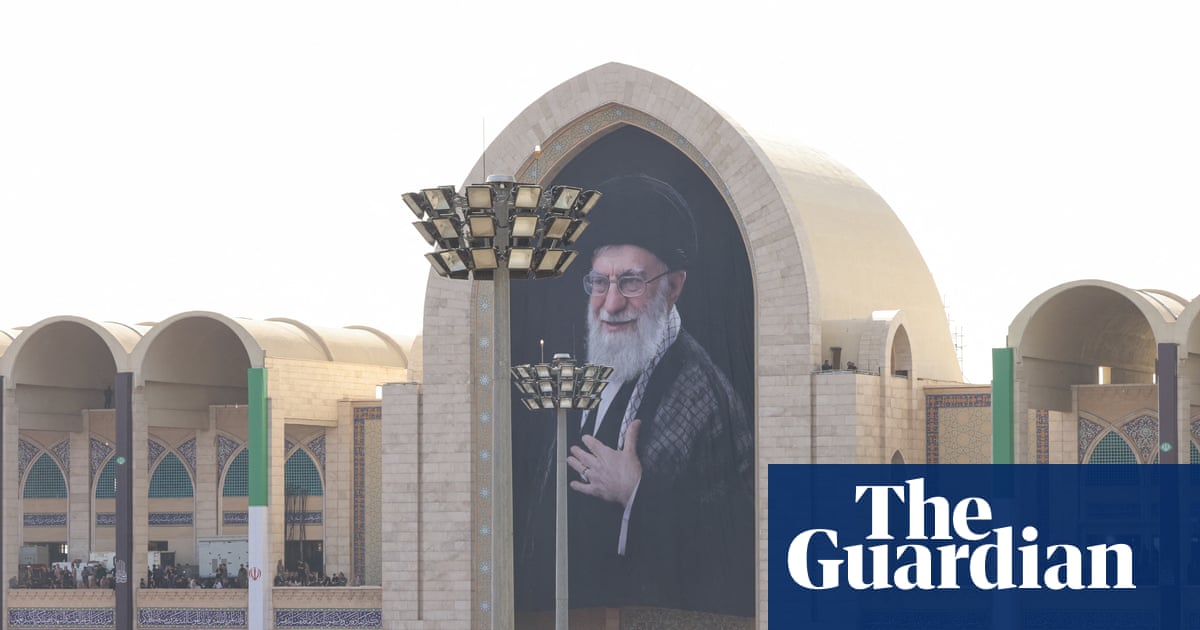
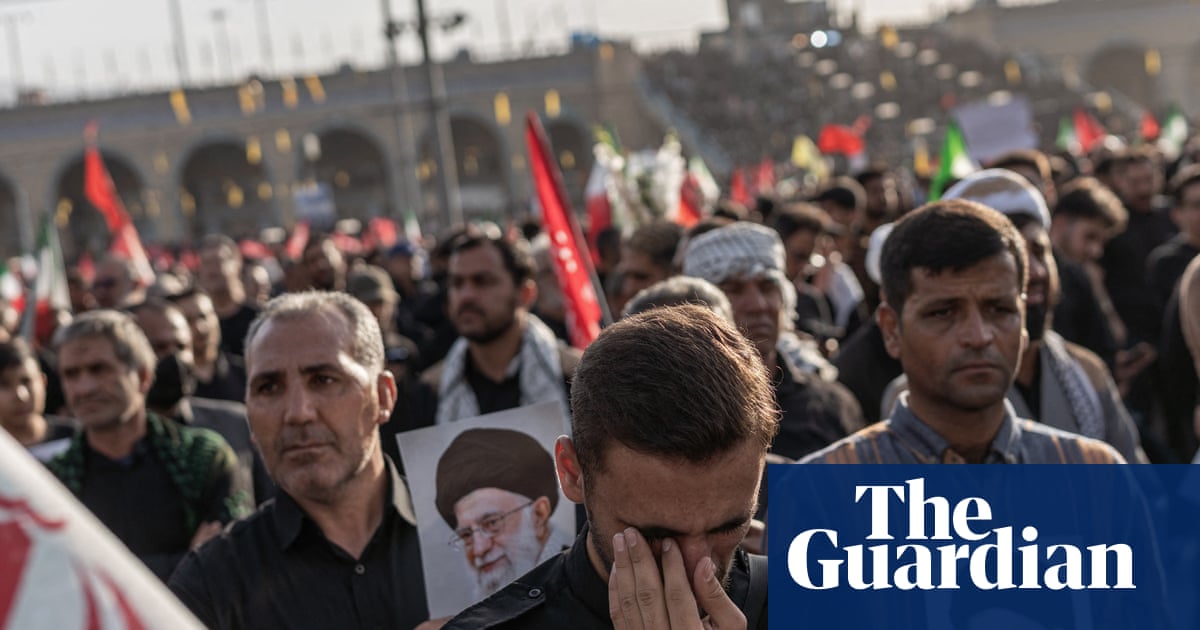
Iran began six days of state funeral ceremonies for the late Supreme Leader Ayatollah Ali Khamenei on Saturday, July 4, 2026. The proceedings, which follow months of delays attributed to the ongoing war with the United States and Israel, are intended by Tehran to project national unity and revolutionary resilience following the death of the leader who held power for nearly four decades.
Khamenei was killed on February 28, 2026, during the opening airstrikes of the conflict. Alongside his own, the coffins of several family members killed in the same strike—including his daughter, son-in-law, daughter-in-law, and a young granddaughter—were placed in state at the Imam Khomeini Grand Mosalla in Tehran. The coffins were arranged on a platform designed to resemble the Kaaba in Mecca, draped in Iranian flags and topped with Khamenei’s black turban.
Related media
Logistics and Mobilization
To facilitate the event, authorities have declared a public holiday in Tehran for Tuesday and ordered the closure of the capital's province from Saturday through Tuesday. In an effort to maximize attendance, the government has repurposed over 5,000 schools and around 40,000 to 50,000 classrooms across the country to provide lodging for pilgrims traveling to the capital. Public amenities, including food stations and transport, have been mobilized to support crowds that officials anticipate could reach between 10 and 20 million people across the week-long schedule.
The Funeral Schedule
The state-coordinated mourning period follows a specific geographic path:
- Saturday–Monday: Lying in state and public processions in Tehran.
- Tuesday: Memorial events in the clerical hub of Qom.
- Thursday: Final burial in the northeastern city of Mashhad, home to Iran’s holiest shrine.
Geopolitical Context
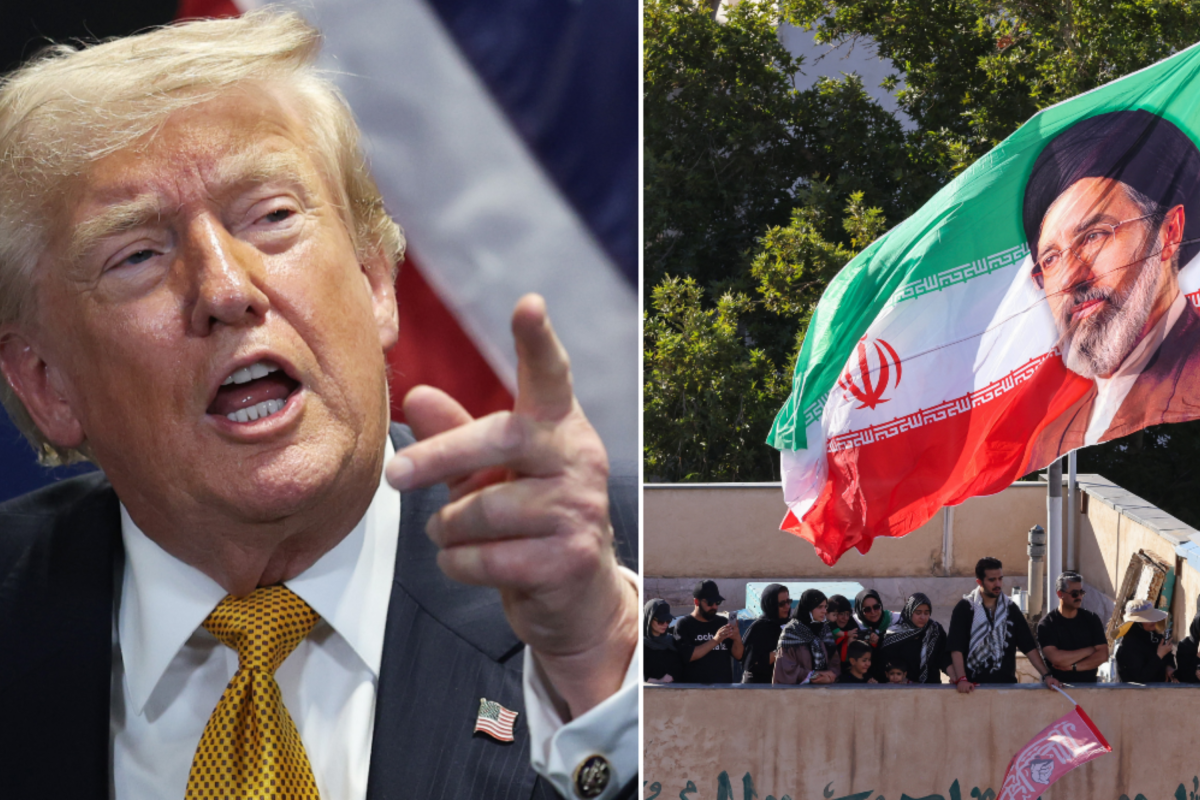
The funeral has drawn high-level delegations from more than 100 countries and international organizations, including the Shanghai Cooperation Organisation, the Organisation of Islamic Cooperation, and the Developing-8. Among the attendees are Pakistani Prime Minister Shehbaz Sharif and former Russian President Dmitry Medvedev. The presence of these figures is viewed by observers as a diplomatic signal during a period of intense volatility.
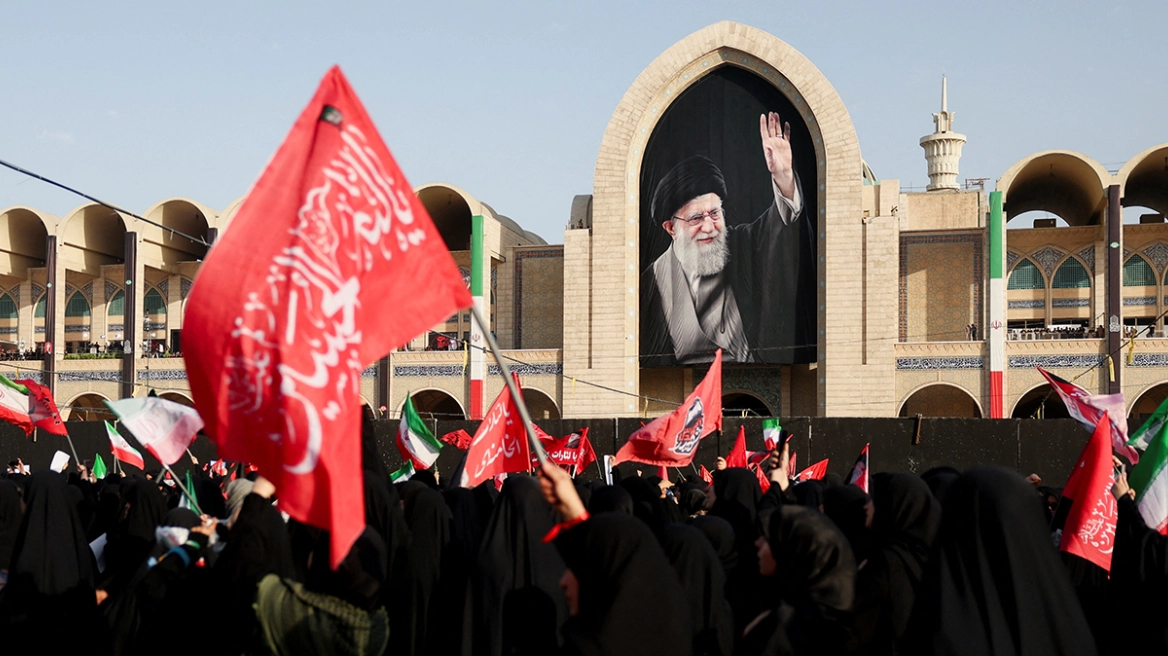
The atmosphere in Tehran remains charged with anti-Western sentiment. Mourners, many of whom traveled from across the country, have been observed chanting "Death to America" and "Revenge, revenge." Red banners, traditional symbols of calls for vengeance, are prominent throughout the capital. Despite a ceasefire currently holding since April 16, tensions persist over the Strait of Hormuz. Iranian Deputy Foreign Minister Kazem Gharibabadi recently issued a warning against any military movement by extra-regional powers in the waterway, asserting that the security of the strait remains the sole responsibility of coastal states.
Internal Political Uncertainty
The ceremonies occur during a delicate transition for the Islamic Republic. Mojtaba Khamenei, the son of the late leader, was named supreme leader in March following his father's death, but he has not made a public appearance since the war began. Reports indicate he was wounded in the same strikes that killed his father, and his continued absence has fueled speculation regarding the internal balance of power within the Iranian leadership.
The state media apparatus has begun framing the period as the beginning of the "Great Khamenei Era."
How significant is this development?
Contribute your assessment to the aggregated reader intelligence ledger.
Archypedia is dedicated to independent, evidence-backed reporting. This briefing was synthesized from primary source reporting, corroborated across independent newsrooms, and verified against our Editorial Standards.
Transparency record
Evidence behind this report
This report synthesizes 8 distinct sources. Open the source ledger below to compare the underlying coverage.
- cnbctv18.com
- middleeasteye.net
- economictimes.indiatimes.com
- en.protothema.gr
- usatoday.com
- nprillinois.org
- yahoo.com
- theguardian.com
Prepared under the Archypedia Editorial Policy by the Samir Haddad editorial desk profile. AI-assisted tools may support drafting and verification; public accountability remains with Archypedia. Report an error.