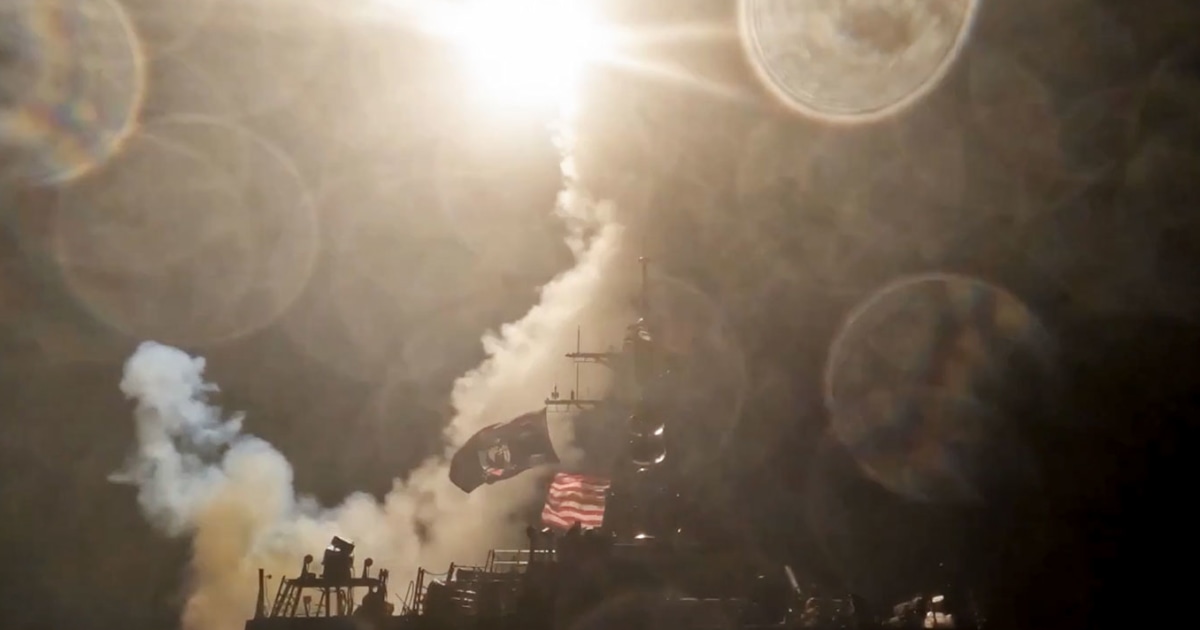
Iran strikes Kuwait and Bahrain bases after US military operations
Tensions in the Persian Gulf have spiked following retaliatory Iranian strikes on US military facilities, threatening a fragile regional ceasefire.

The security situation across the Persian Gulf escalated sharply on Sunday, 28 June 2026, as Iran launched a series of drone and ballistic missile attacks against military and civilian targets in Bahrain and Kuwait. The strikes follow a weekend of intensified aerial combat between Iranian forces and the United States, threatening to dismantle the fragile ceasefire established on 17 June 2026.
The Islamic Revolutionary Guard Corps (IRGC) claimed responsibility for the operations, which targeted the US Ali Al Salem airbase in Kuwait and the US Fifth Naval Fleet at Port Salman in Bahrain. These attacks were a direct retaliation for US airstrikes conducted against Iranian territory on Saturday, 27 June 2026.
Related Instagram post


Sequence of Hostilities
The latest cycle of violence began when the US military targeted ten Iranian military sites in and near the Strait of Hormuz. These strikes, authorized by President Donald Trump, targeted Iranian surveillance, communications, air defense, drone storage, and minelaying infrastructure. CENTCOM stated that the operation was in response to an Iranian drone attack on the Panama-flagged oil tanker Kiku, which occurred early on 27 June. The Irish Times noted that the tanker sustained damage to its bridge during the incident, though all crew members were reported safe.
The US military maintains that its actions were a necessary response to Iranian aggression against commercial shipping. Local10 reports that Iran continues to demand exclusive oversight of the Strait of Hormuz, while the US and international maritime bodies advocate for open passage through multiple routes, including a lane along the coast of Oman. This competition over transit lanes has become a central flashpoint for the conflict.
Diplomatic Fallout
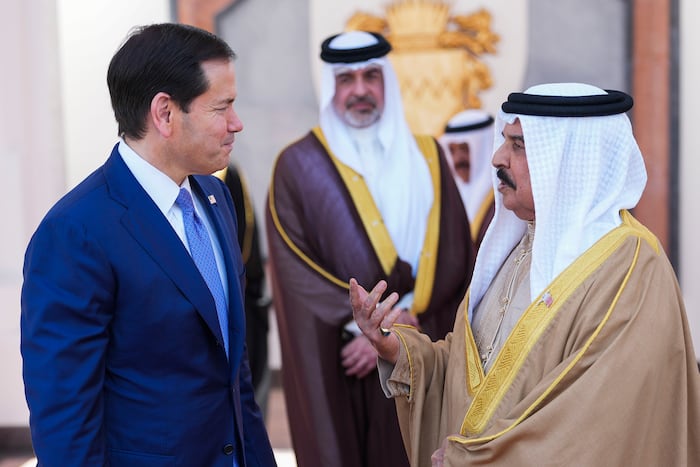
The exchange has prompted severe condemnation from regional authorities. Bahrain’s Interior Ministry described the strikes as a "flagrant violation" of sovereignty, and reported damage to a residential building near its international airport. Similarly, Kuwait’s Foreign Ministry denounced the "repeated heinous Iranian aggressions."
The conflict has placed the 60-day negotiation window—intended to reach a permanent peace deal—under extreme pressure. Iran’s Ministry of Foreign Affairs characterized the US strikes as a "brutal" violation of the existing Memorandum of Understanding (MoU) and the United Nations Charter. Iranian Foreign Minister Abbas Araghchi, speaking from Iraq on Sunday, warned that the Strait of Hormuz will remain under Iranian oversight for the coming 30 days. He cautioned that any outside interference would only exacerbate the crisis and delay the full restoration of the waterway's capacity.
President Trump has issued stark warnings, stating that if Iran does not adhere to the terms of the ceasefire, the United States may be forced to "militarily complete the job." On social media, he cautioned that in such an event, "the Islamic Republic of Iran will no longer exist!"
Regional Stability Concerns
The instability is not confined to the Gulf. In southern Lebanon, Israel continues to conduct military operations against Hezbollah, which Iran links to the broader regional ceasefire. According to The Hindu, Lebanese authorities reported new Israeli airstrikes on Sunday, even as officials struggle to assess the heritage and civilian damage resulting from months of fighting. Israel maintains that its operations are essential to remove threats to its soldiers and civilians.
| Date | Event |
|---|---|
| 17 June 2026 | US and Iran sign a ceasefire and Memorandum of Understanding. |
| 27 June 2026 | US conducts strikes on 10 Iranian targets near the Strait of Hormuz. |
| 28 June 2026 | Iran launches ballistic missiles and drones at Kuwait and Bahrain. |
As of 28 June 2026, diplomatic efforts remain at an impasse. Analysts, including Wolfgang Pusztai, cited in reporting by Al Jazeera, warn that the risk of unintentional escalation remains high. Potential casualties in residential areas or severe damage to US bases could trigger an uncontrollable expansion of the conflict. Observers are now watching for any further statements from the Iranian leadership regarding the potential total suspension of diplomatic talks.
How significant is this development?
Contribute your assessment to the aggregated reader intelligence ledger.
Archypedia is dedicated to independent, evidence-backed reporting. This briefing was synthesized from primary source reporting, corroborated across independent newsrooms, and verified against our Editorial Standards.
Transparency record
Evidence behind this report
This report synthesizes 12 distinct sources. Open the source ledger below to compare the underlying coverage.
- bbc.com
- yahoo.com
- local10.com
- irishtimes.com
- straitstimes.com
- thehindu.com
- aljazeera.com
- cbc.ca
- dailymail.com
- timesnownews.com
- rferl.org
- nypost.com
Prepared under the Archypedia Editorial Policy by the Samir Haddad editorial desk profile. AI-assisted tools may support drafting and verification; public accountability remains with Archypedia. Report an error.