Keiko Fujimori wins Peru presidential election after weeks of vote reviews
Keiko Fujimori secured victory in Peru’s presidential election after a weeks-long review process, defeating rival Roberto Sánchez by a narrow margin. She now faces a polarized legislature and urgent public safety concerns as she prepares for her upcoming inauguration.
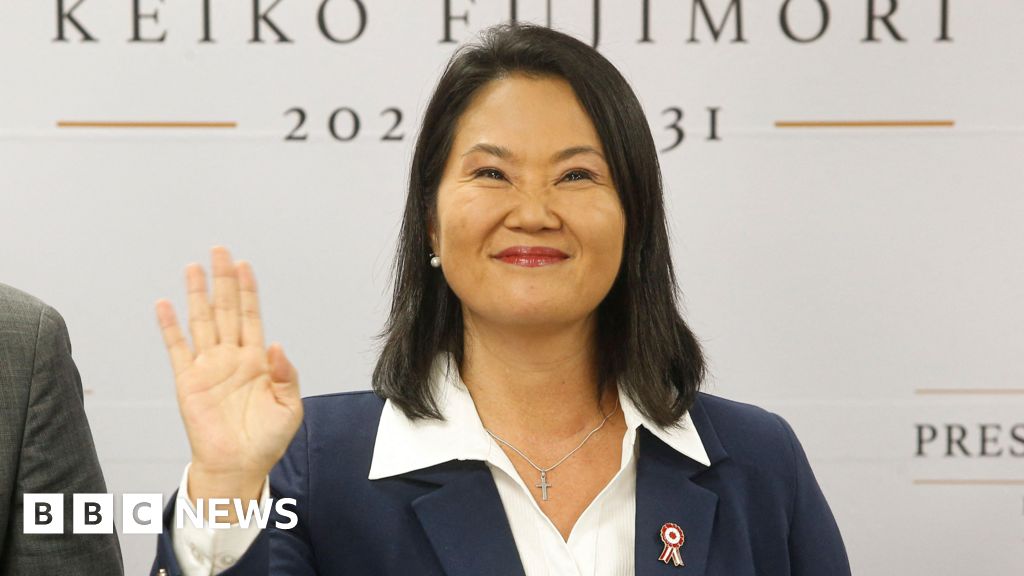
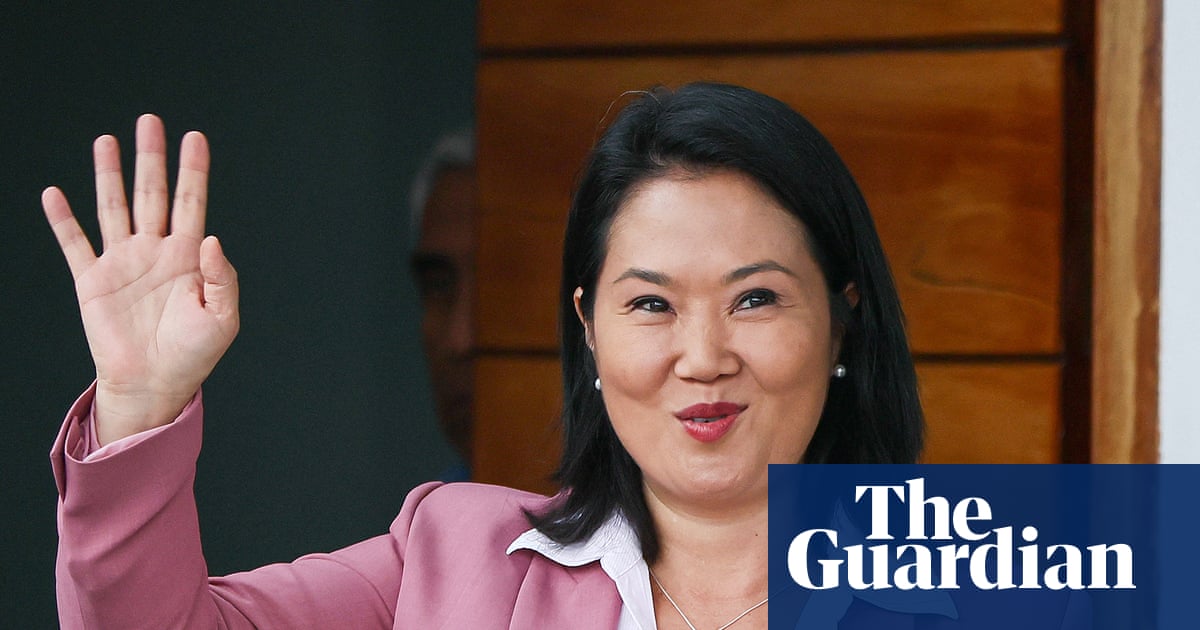
Conservative politician Keiko Fujimori has been officially declared the winner of Peru's presidential election, securing the nation’s top office on her fourth attempt. The result, certified by the country’s National Electoral Jury (JNE) on Friday, 3 July 2026, concludes weeks of intense electoral review following the 7 June 2026 runoff.
Fujimori, 51, secured victory with 50.135% of the vote against left-wing rival Roberto Sánchez, who finished with 49.865%. The final margin of victory was fewer than 50,000 votes out of more than 18 million cast. While Sánchez maintained a lead in votes cast within Peru, Fujimori’s wide margin among the overseas electorate proved to be the deciding factor in her narrow win.
Related media

A Shift in Regional Politics
The election marks a notable shift in the regional political climate. Fujimori’s win is viewed by analysts as part of a wider move toward right-wing leadership in Latin America, aligning with incoming administrations such as that of Abelardo de la Espriella in Colombia. This trend contrasts with the previous dominance of left-wing figures in the region, leaving Brazil's Luiz Inácio Lula da Silva as the remaining major standard-bearer for the left.
International reactions have been swift. Similar messages of support have arrived from regional leaders, including Argentina’s Javier Milei, Chile’s José Antonio Kast, and El Salvador’s Nayib Bukele.
Policy and Challenges Ahead
Fujimori assumes the presidency amid concerns over public safety, specifically the rise of extortion, kidnappings, and contract killings. During her campaign, she pledged to adopt an aggressive approach to security, including:
- The construction of new high-security prisons modeled after El Salvador’s CECOT.
- The implementation of mandatory labor for prisoners.
- Increased militarization of national borders.
- The immediate expulsion of undocumented immigrants who commit crimes.
Economic analysts, including those from Moody’s, have suggested that a Fujimori government could provide the policy continuity necessary to bolster investor confidence, particularly in the mining sector, where Peru remains a global leader in copper production.
Political Instability and Opposition
Fujimori’s path to power remains contentious. Her rival, Roberto Sánchez, has alleged that the runoff was compromised by administrative irregularities, particularly regarding the handling of overseas ballots. While no independent evidence of systemic fraud has been confirmed by election monitors, Sánchez has stated he will not recognize the new government. He has filed a complaint with the Inter-American Commission on Human Rights and announced plans to establish a "political and social resistance front."
The political environment in Peru remains polarized. The country has seen frequent presidential dismissals over the last decade, and the new legislature—which includes a reconstituted Senate—is deeply divided. Analysts observe that the Senate's power to impeach could be a key hurdle for the incoming administration, as impeachment requires a two-thirds majority in both chambers.
Fujimori, who has previously faced extensive legal investigations, has sought to distance herself from the more controversial aspects of her father’s legacy while maintaining a focus on his reputation for "order." She is scheduled to be sworn in on 28 July 2026, becoming the country’s ninth head of state in ten years.
What to Watch Next
| Event | Expected Timing |
|---|---|
| Swearing-in Ceremony | 28 July 2026 |
| Formation of New Senate | Late July 2026 |
| Potential Legal Appeals | Ongoing |
As she prepares for her transition, Fujimori has expressed a desire to seek dialogue. Each day of this transition process is an opportunity to listen, engage in dialogue and arrive prepared at the start of the new government,
she stated via social media following the certification. Whether she can secure the political stability promised during her campaign remains the primary question for the administration.
How significant is this development?
Contribute your assessment to the aggregated reader intelligence ledger.
Archypedia is dedicated to independent, evidence-backed reporting. This briefing was synthesized from primary source reporting, corroborated across independent newsrooms, and verified against our Editorial Standards.
Transparency record
Evidence behind this report
This report synthesizes 12 distinct sources. Open the source ledger below to compare the underlying coverage.
- nbcnews.com
- bbc.com
- theguardian.com
- apnews.com
- yahoo.com
- straitstimes.com
- english.elpais.com
- inquirer.com
- i24news.tv
- heraldousa.com
- kfgo.com
- abcnews.com
Prepared under the Archypedia Editorial Policy by the Samir Haddad editorial desk profile. AI-assisted tools may support drafting and verification; public accountability remains with Archypedia. Report an error.