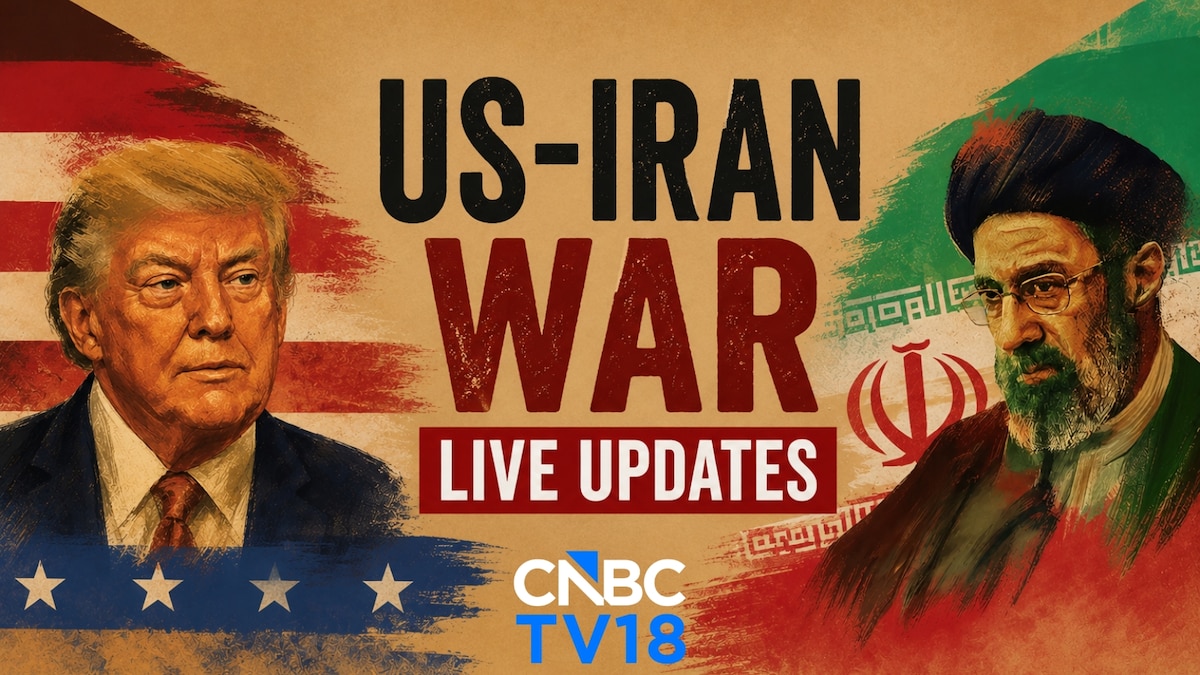
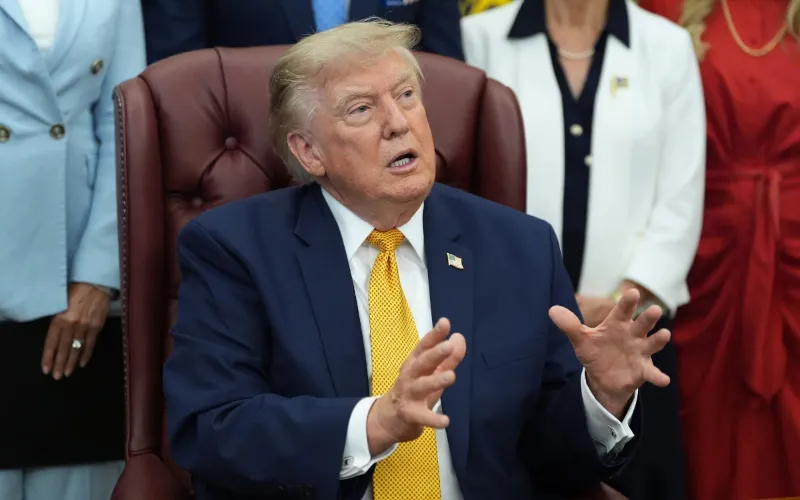
Mourners call for revenge against Trump at Ali Khamenei funeral
During state funeral proceedings for the late Supreme Leader, crowds and a featured poet demanded the death of Donald Trump. The event highlights ongoing internal divisions and the conspicuous absence of successor Mojtaba Khamenei.
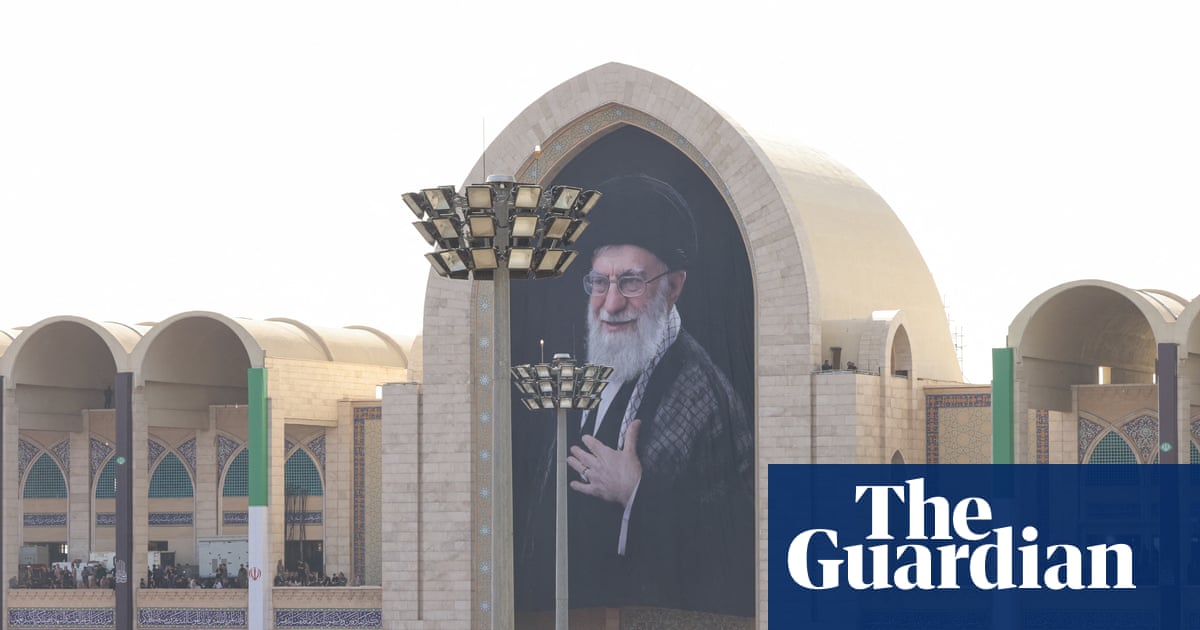
As Iran observes a week of state funeral processions for the late Supreme Leader Ayatollah Ali Khamenei, the ceremonies have evolved into a volatile theater of political defiance. On Sunday, 5 July 2026, during a mass prayer gathering at Tehran’s Imam Khomeini Grand Mosalla, the atmosphere shifted from solemn mourning to overt calls for vengeance against United States leadership.
The transition in tone was punctuated by poet Mohammad Rasouli, who addressed the gathered crowds before the prayer service led by the 97-year-old cleric Ayatollah Ja’far Sobhani. Speaking over loudspeakers, Rasouli openly questioned why the American president remained alive, prompting enthusiastic cheers for the killing of Donald Trump. "I swear by your blood; Trump’s murder is our responsibility," Rasouli stated, according to The Guardian. This marked the first direct call for the death of the U.S. President by a featured performer during the state-sanctioned proceedings. Such rhetoric has been a consistent undercurrent on the streets, where mourners have displayed graffiti and banners targeting both the U.S. President and Israeli Prime Minister Benjamin Netanyahu.
Related media


The gathering on Sunday saw a noticeably larger and more militant turnout compared to the preceding day. Many attendees traveled from across the country to participate in the farewell, which was initially delayed due to the war that began on 28 February 2026. The conflict, which claimed the lives of Khamenei and several family members during its opening strikes, remains a point of intense national trauma. Among the coffins on display was that of Khamenei’s 14-month-old granddaughter, a detail that served as a visual rallying point for the grief-stricken crowd.
While the regime appears to be leveraging the mass attendance to demonstrate social resilience and solidify support for the new supreme leader, Mojtaba Khamenei, his absence remains the most conspicuous feature of the event. His three brothers — Mustafa, Massoud, and Meysam — were present at the Mosalla, standing beside their father’s coffin in a show of familial unity, according to reporting by The Daily Mail.
The presence of high-ranking officials, including President Masoud Pezeshkian, IRGC commander Ahmad Vahidi, and al-Quds force commander Esmail Qaani, suggests that the Iranian leadership maintains confidence that the current U.S.-Iran ceasefire agreement provides enough security to prevent further strikes on the capital during the funeral. This level of public visibility for top officials would have been considered impossible during the height of the hostilities earlier this year.
The geopolitical significance of the funeral extends beyond domestic mourning. Iran is currently attempting to leverage its strategic position regarding the Strait of Hormuz during negotiations with the U.S. For a permanent end to the war. The funeral serves as a critical test of the theocracy’s stability. While the state-managed spectacle emphasizes national unity, the economic disparity between those mourning in the heat of the Mosalla and the more secular, middle-class residents of northern Tehran highlights ongoing internal divisions.
Upcoming Funeral Schedule
- Monday, 6 July: Mass procession in Tehran.
- Tuesday, 7 July: Transport of the body to the city of Qom.
- Wednesday, 8 July: Transport through holy cities in Iraq.
- Thursday, 9 July: Final burial in the city of Mashhad, the late leader's birthplace.
As the body moves toward its final resting place, the pause in diplomatic negotiations remains tethered to the funeral's completion. The rhetoric emanating from the funeral stage suggests that the hardline position on regional security and opposition to the U.S. Remains the central pillar of Iran’s foreign policy approach.
How significant is this development?
Contribute your assessment to the aggregated reader intelligence ledger.
Archypedia is dedicated to independent, evidence-backed reporting. This briefing was synthesized from primary source reporting, corroborated across independent newsrooms, and verified against our Editorial Standards.
Transparency record
Evidence behind this report
This report synthesizes 9 distinct sources. Open the source ledger below to compare the underlying coverage.
- cbsnews.com
- theguardian.com
- dailymail.com
- huffpost.com
- yahoo.com
- breakingnews.ie
- bostonglobe.com
- mirror.co.uk
- hindustantimes.com
Prepared under the Archypedia Editorial Policy by the Samir Haddad editorial desk profile. AI-assisted tools may support drafting and verification; public accountability remains with Archypedia. Report an error.