FAST and DESI reveal slow star formation despite stable cosmic hydrogen
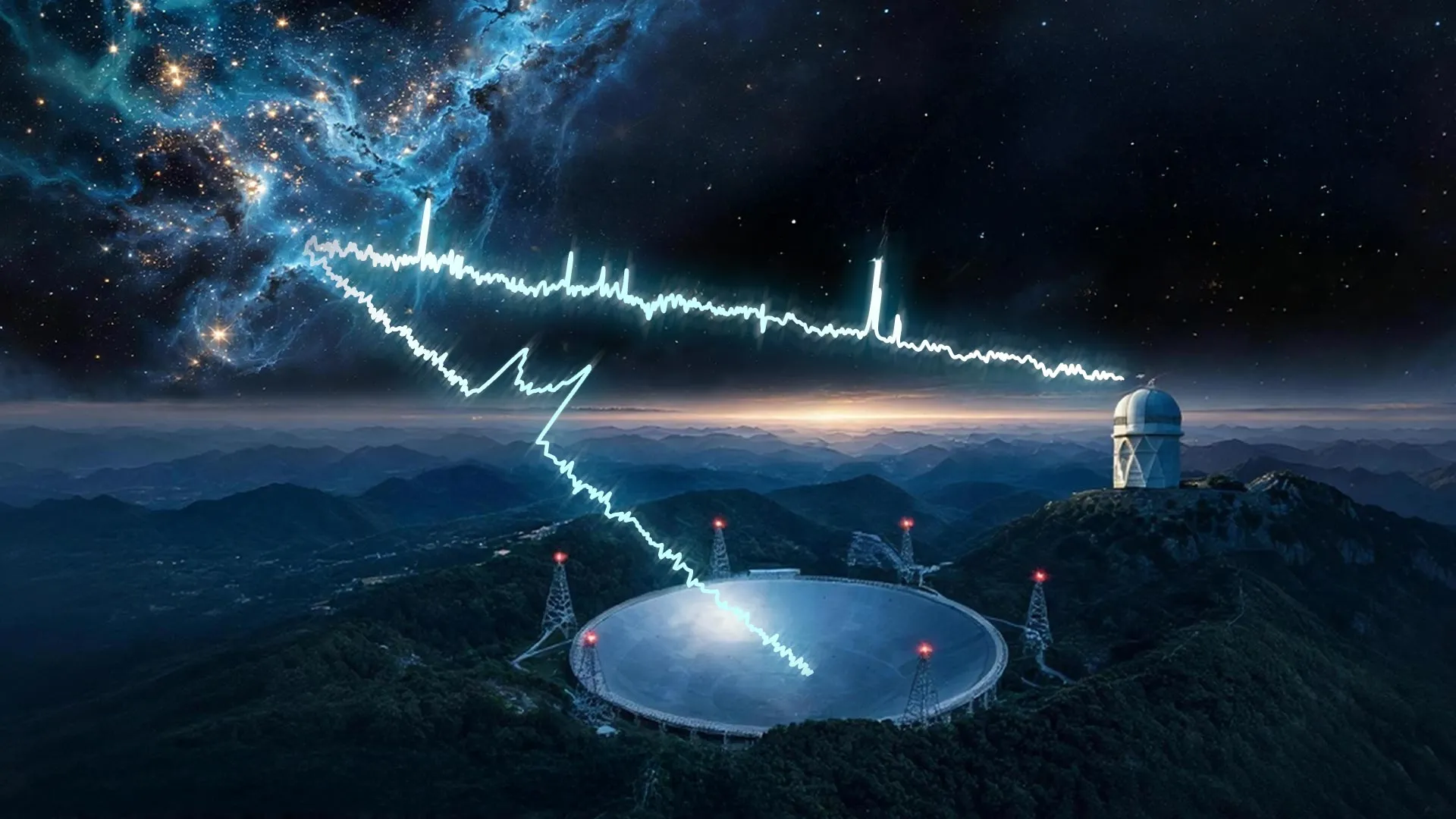
Combining high radio sensitivity with extensive optical spectroscopy, astronomers discovered that neutral atomic hydrogen remains stable even as stellar birth rates plummet.
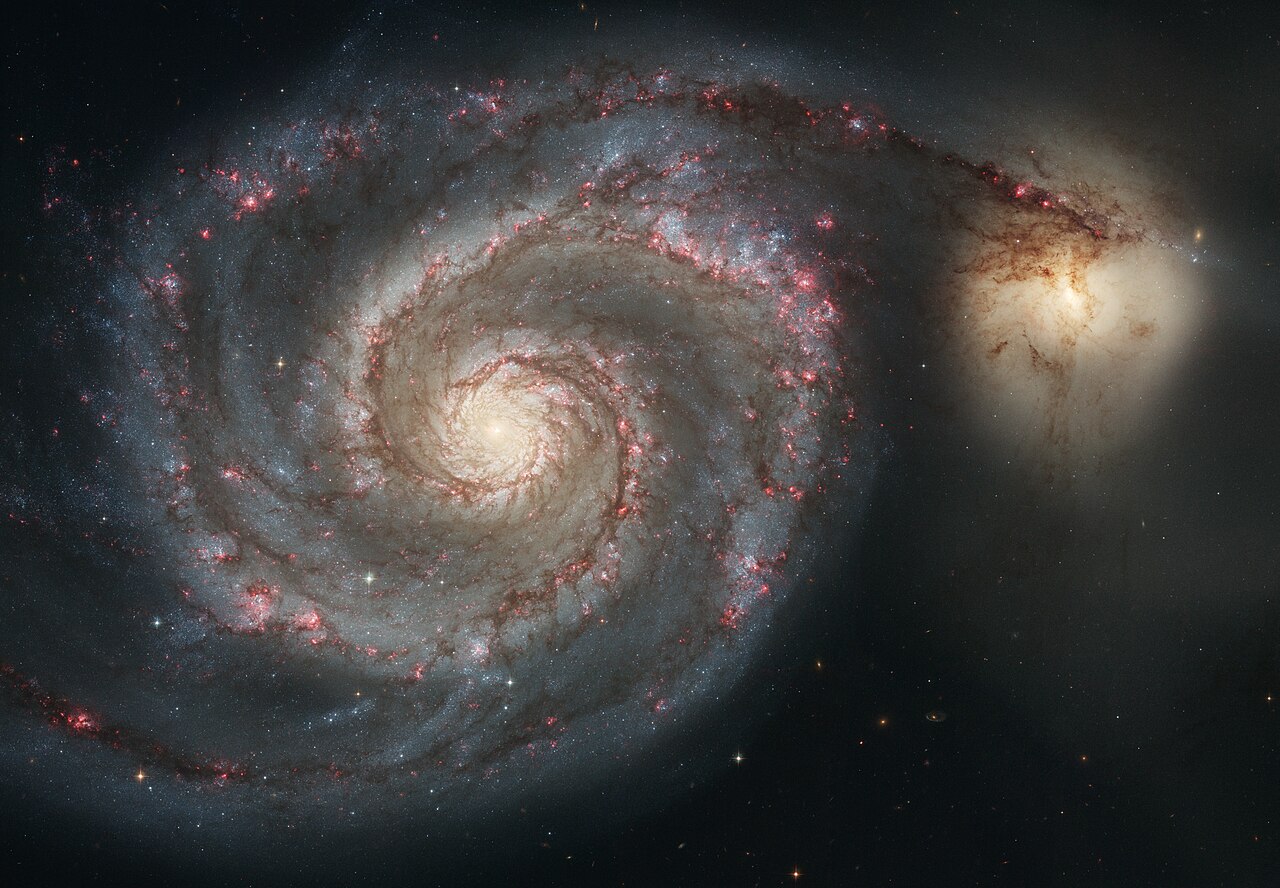
A study of 22 galaxies shows that molecular cloud lifecycles remain consistent regardless of their location, suggesting spiral arms organize gas.
Scientists identified a velocity drift between ionized gas and neutral particles in a prestellar core, revealing how gravity overcomes magnetic resistance.
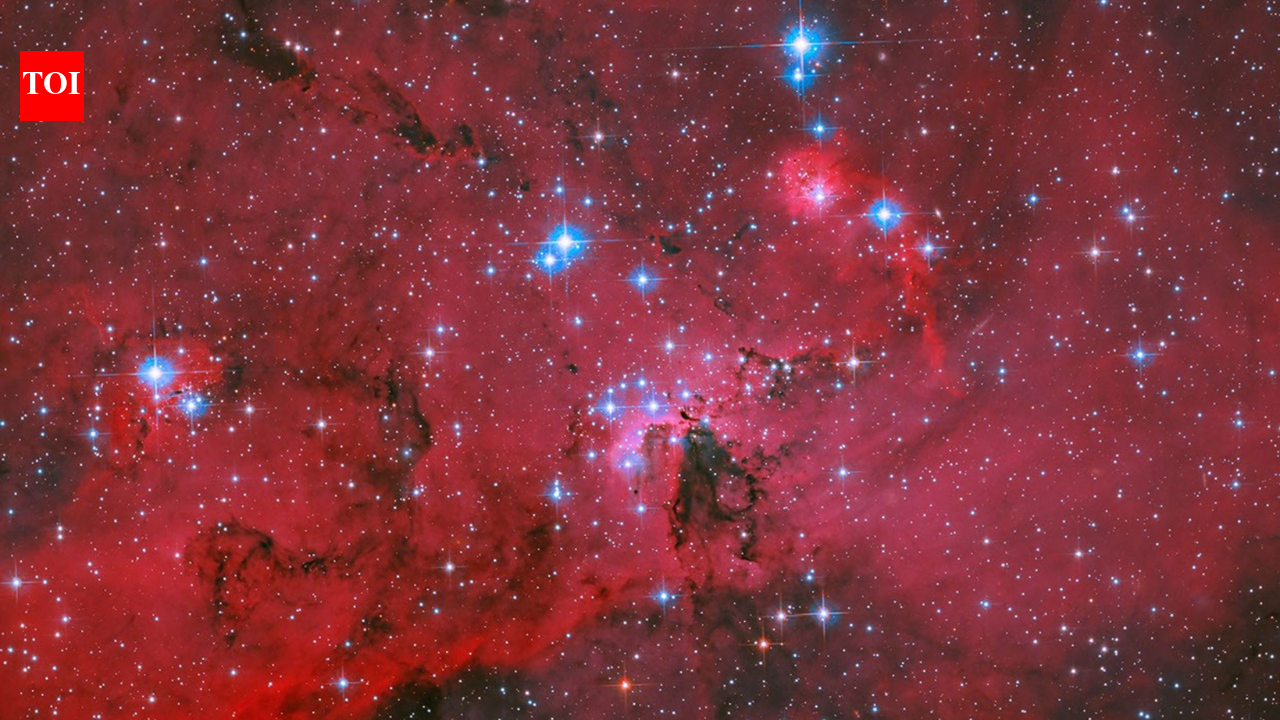
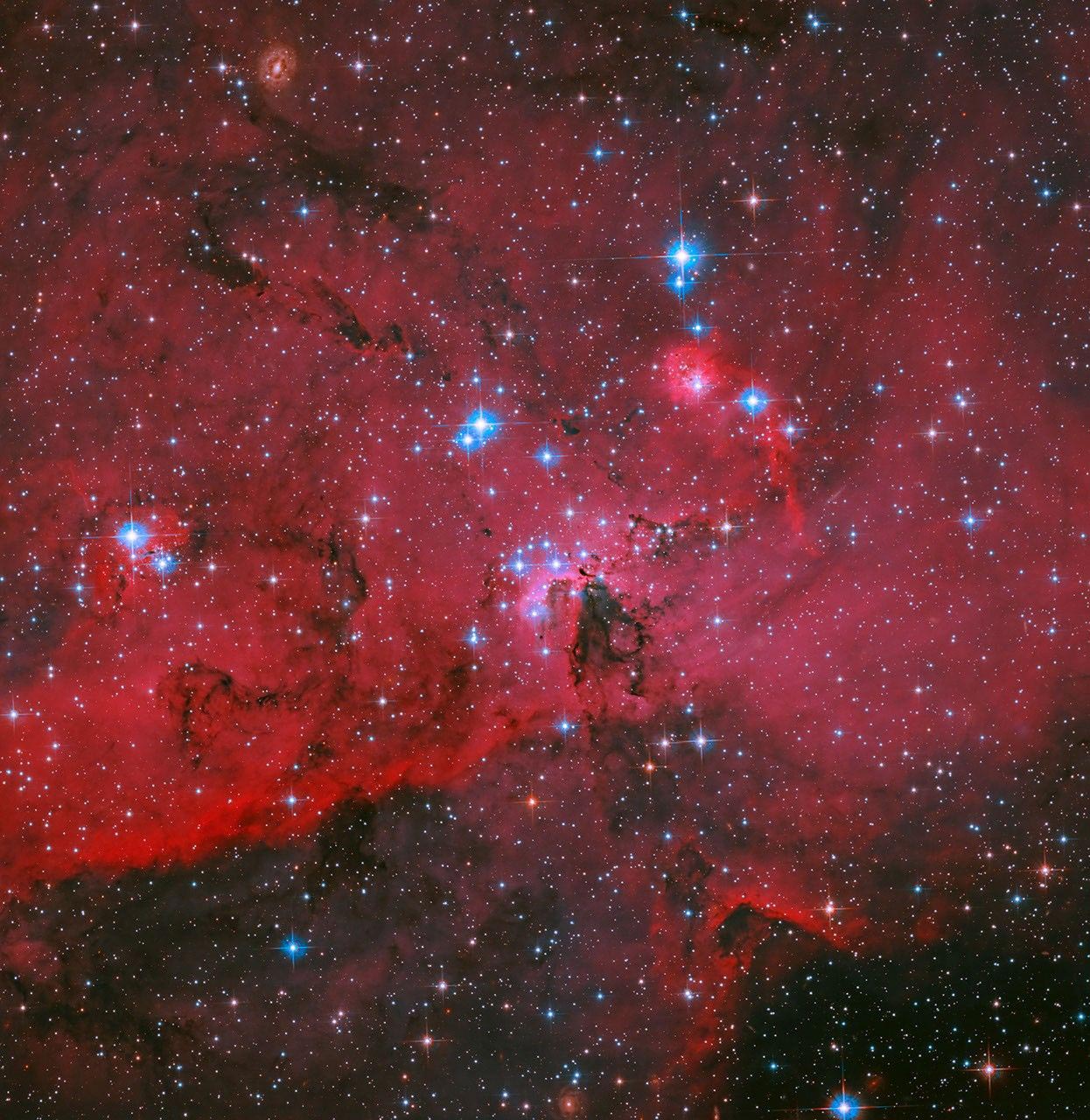
Hubble has captured images of the LH 95 stellar nursery, revealing how massive blue stars and crimson gas shape the ongoing processes of star formation.
New high-resolution imagery of LH 95 provides a rare, unobstructed view of star formation, showing how massive blue giants shape their cosmic environment.
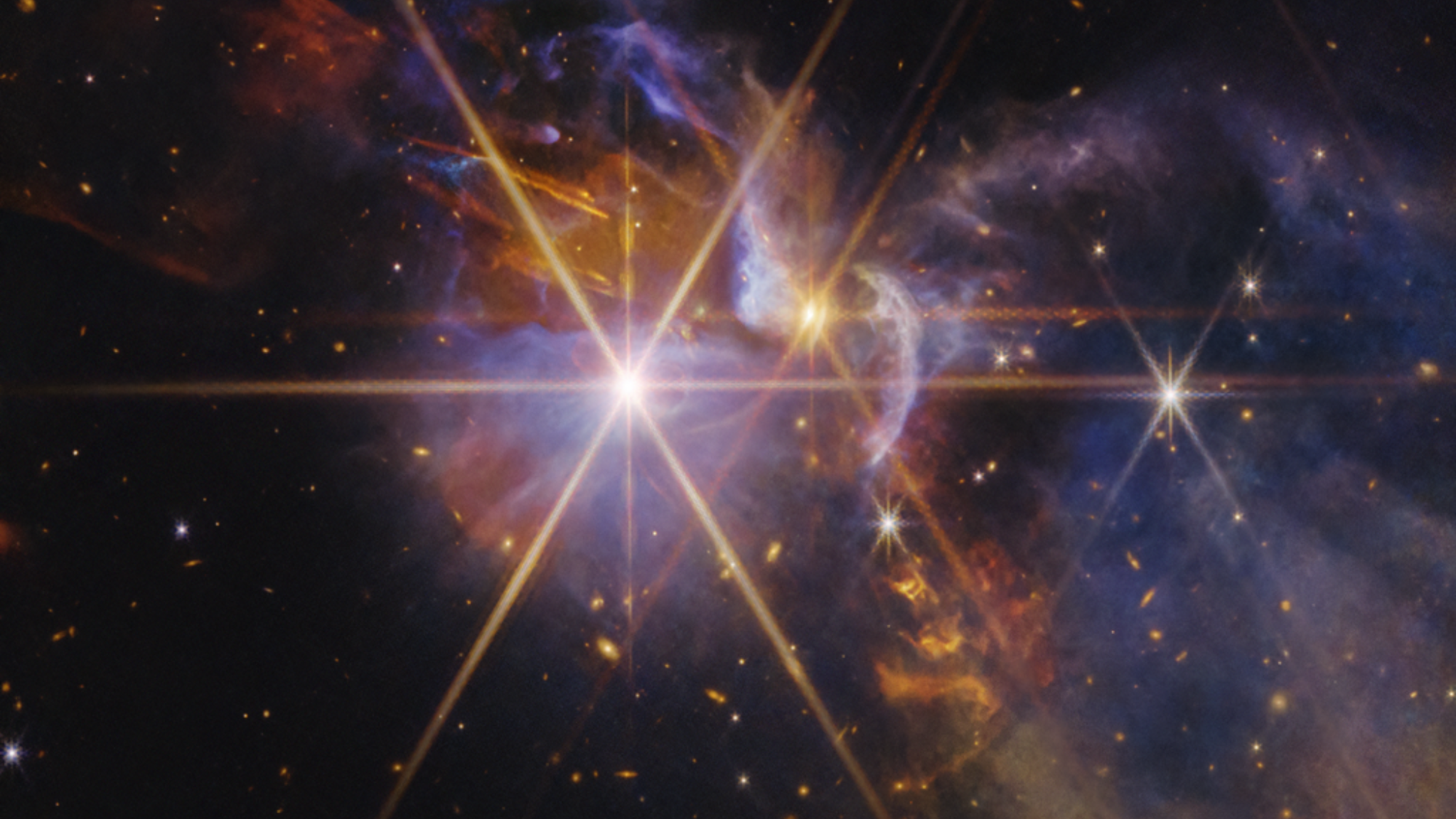
New infrared imagery from the James Webb Space Telescope offers a look at the birth of stars within the dust-shrouded FS Tau region. These findings provide evidence that protostars accumulate mass through discrete, energetic episodes rather than steady growth.
New high-resolution imagery from the James Webb Space Telescope pierces through dense galactic dust to unveil the internal structure of the starburst galaxy M82.