NASA opens applications for yearlong Mars and Moon mission simulation
NASA has opened applications for a yearlong analog mission designed to simulate the challenges of deep space travel at the Johnson Space Center. Volunteers will reside in specialized habitats to help the agency develop health and psychological protocols for future lunar and Mars expeditions.
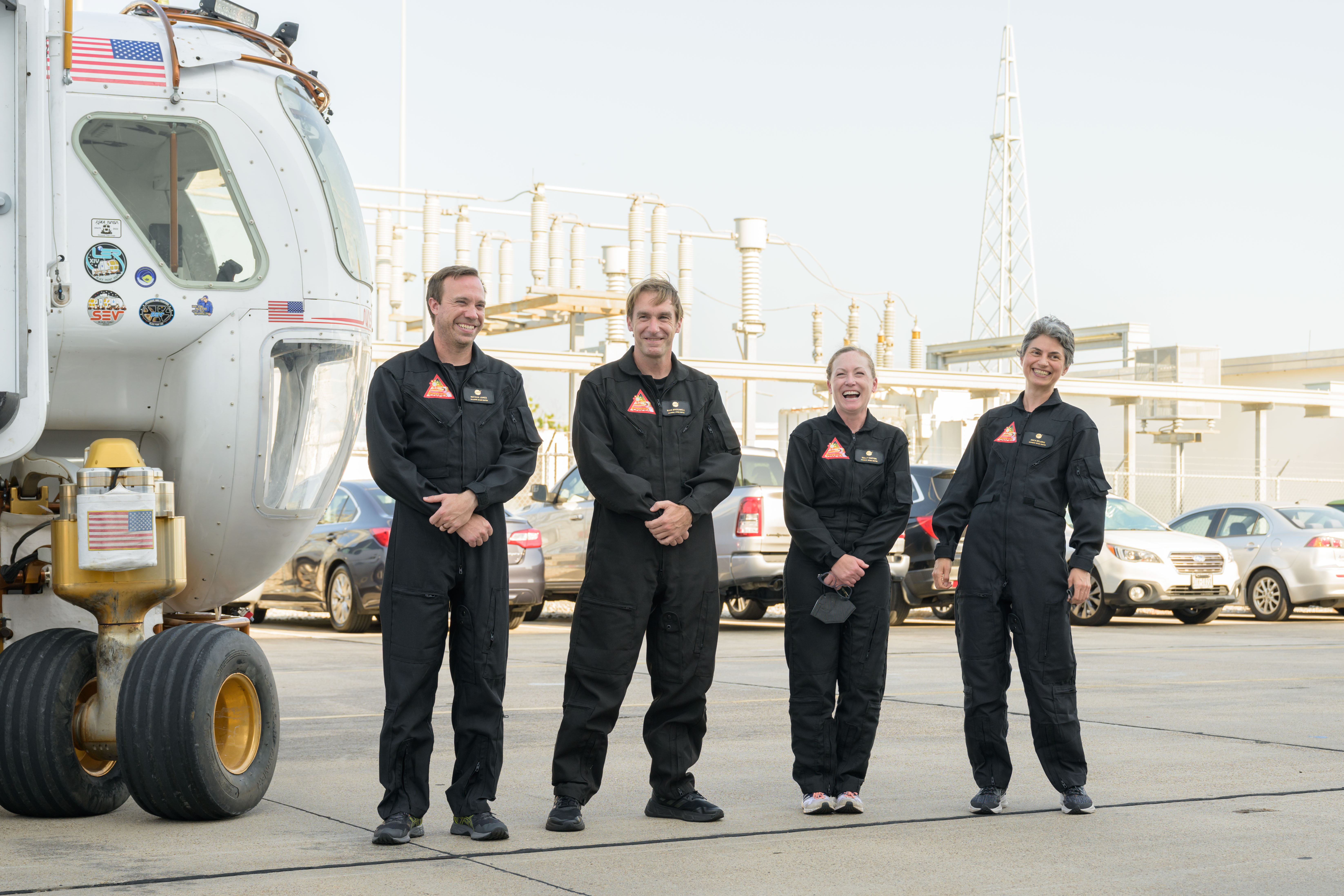
NASA has opened the recruitment process for a new, yearlong mission designed to simulate the rigors of deep space travel. The agency is seeking volunteers to participate in its Moon and Mars Exploration Analog (MMEA) mission, which is currently scheduled to begin no earlier than August 2027.
This initiative represents a strategic evolution in the agency's research methodology. By merging two established programs—the Human Exploration Research Analog (HERA) and the Crew Health and Performance Exploration Analog (CHAPEA)—NASA aims to create a comprehensive simulation that mirrors the entire journey from initial flight through surface operations and eventual return, all conducted within the confines of the Johnson Space Center in Houston.
Related media
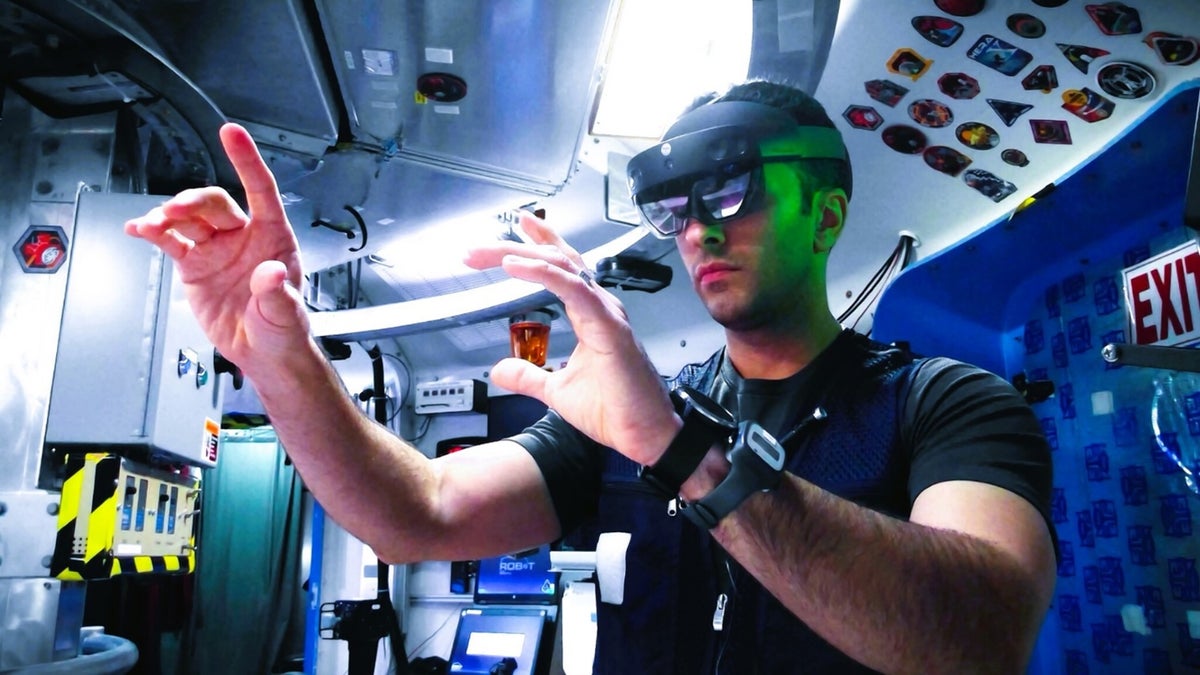

Simulation Objectives and Habitat Design
The upcoming mission will host a four-person volunteer crew for 12 months. Participants will reside within two interconnected habitats. One structure functions as a simulated spacecraft, while the other serves as a base on a planetary surface. The environment is engineered to replicate the intense pressures of deep-space exploration, including strict resource limitations, equipment failure scenarios, and the psychological weight of total isolation from the outside world.
Researchers plan to monitor how these volunteers navigate the stresses of long-duration missions. The data collected will be integrated into the agency's Human Research Program (HRP) to develop medical and psychological protocols necessary to protect future astronauts. Crew members will follow a demanding daily schedule, which includes tasks such as:
- Performing simulated spacewalks and rover excursions.
- Conducting routine habitat maintenance and repairs.
- Executing scientific experiments and monitoring crop growth.
- Adapting to mandatory communication delays with mission control.
Candidate Requirements and Selection
The selection process is intensive, involving a multi-day evaluation that includes comprehensive physical and psychological screening.
To qualify, applicants must meet several rigorous criteria:
- Status as a healthy, non-smoking U.S. Citizen or permanent resident.
- An age range between 30 and 55 years old.
- Proficiency in the English language.
- Educational attainment: A master's degree in a STEM field, such as engineering, mathematics, or biological, physical, or computer science, accompanied by two years of professional experience.
- Alternative qualifications: A minimum of 1,000 hours of pilot-in-command time in jet aircraft, completion of a medical degree, or two years of work toward a doctoral program in a STEM field.
Scientific Context
This mission builds upon the data gathered during previous analog experiments. The CHAPEA series, for instance, previously utilized a 1,700-square-foot, 3D-printed habitat to study crew health and performance. Volunteers in those missions faced challenges including 22-minute communication delays, simulating the distance between Earth and Mars.
According to Suzanne Bell, lead for the Behavioral Health and Performance Laboratory at Johnson Space Center, these efforts are crucial for understanding how to best support human health in extreme circumstances. We're seeing how we can best support people in the circumstances for their human health. We're starting to see trends that we could interpret to best support people of the future,
Bell said via ABC News.
The research is designed to inform the Artemis campaign, which intends to establish a sustainable human presence on the Moon as a stepping stone for future crewed expeditions to the Red Planet.
What to Watch Next
As the application process moves forward, prospective volunteers should note that compensation is available for participants, with specific terms disclosed during the screening stages. The timeline for the program remains fluid, with the following milestones anticipated:
| Phase | Estimated Timing |
|---|---|
| Application Period | Ongoing |
| Candidate Selection | Pending completion of screenings |
| MMEA Mission Start | No earlier than August 2027 |
While participants in the MMEA will never leave Earth's atmosphere, their contributions are intended to provide the empirical foundation for humanity's eventual steps onto other worlds. As noted by former analog crew member Anca Selariu via Npr, the motivation for such missions is rooted in the broader potential of space exploration:
"Because it’s possible. Because space can unite and bring out the best in us. Because it’s one defining step that Earthlings will take to light the way into the next centuries."
Anca Selariu, CHAPEA science officer, via NPR
How significant is this development?
Contribute your assessment to the aggregated reader intelligence ledger.
Archypedia is dedicated to independent, evidence-backed reporting. This briefing was synthesized from primary source reporting, corroborated across independent newsrooms, and verified against our Editorial Standards.
Transparency record
Evidence behind this report
This report synthesizes 6 distinct sources. Open the source ledger below to compare the underlying coverage.
Prepared under the Archypedia Editorial Policy by the Niko Vale editorial desk profile. AI-assisted tools may support drafting and verification; public accountability remains with Archypedia. Report an error.