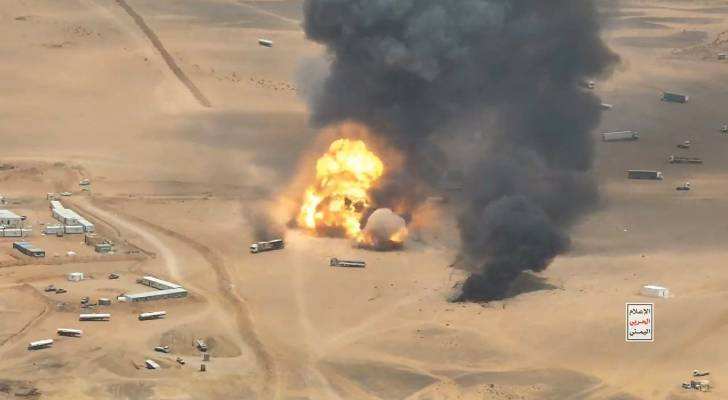
Leningrad Region Port, Oil Terminal Hit in Major Ukrainian Drone Attack
Ukrainian drones targeted key oil infrastructure and military sites across Russia's Leningrad region in a major overnight assault. President Volodymyr Zelenskiy confirmed the operation as part of a strategy to disrupt revenue sources for Russia's military.
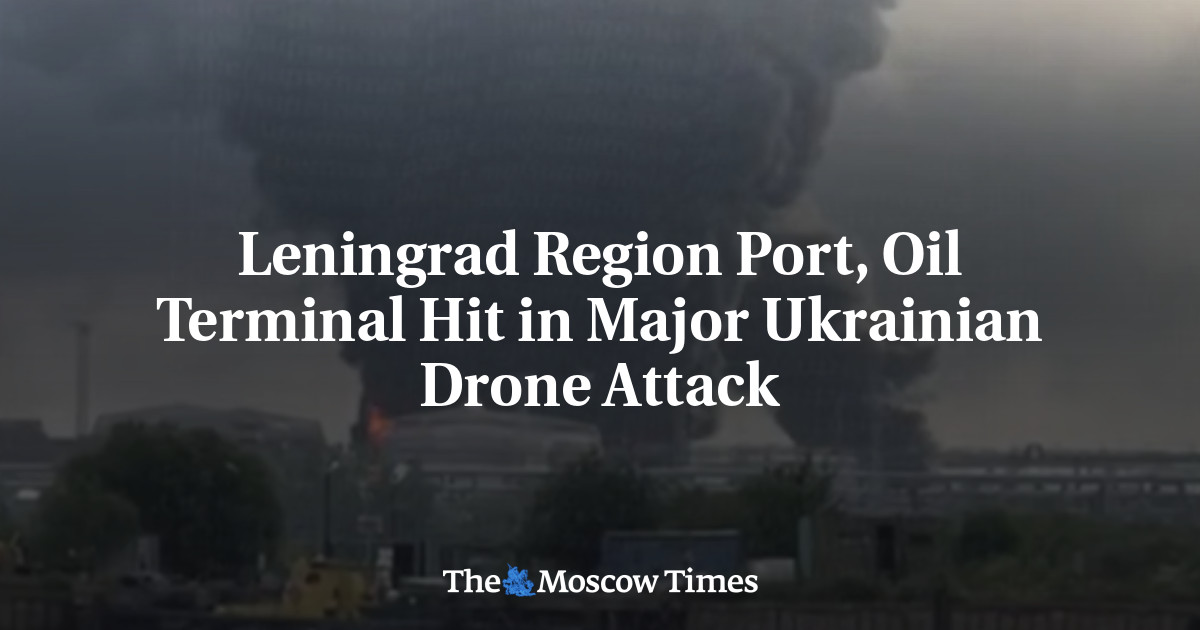
St. Petersburg and the surrounding Leningrad region were subjected to a major drone assault overnight on Saturday, July 4, 2026. The operation, which involved long-range unmanned aerial vehicles, resulted in documented strikes on critical oil facilities.
St. Petersburg Governor Alexander Beglov described the event as a large-scale
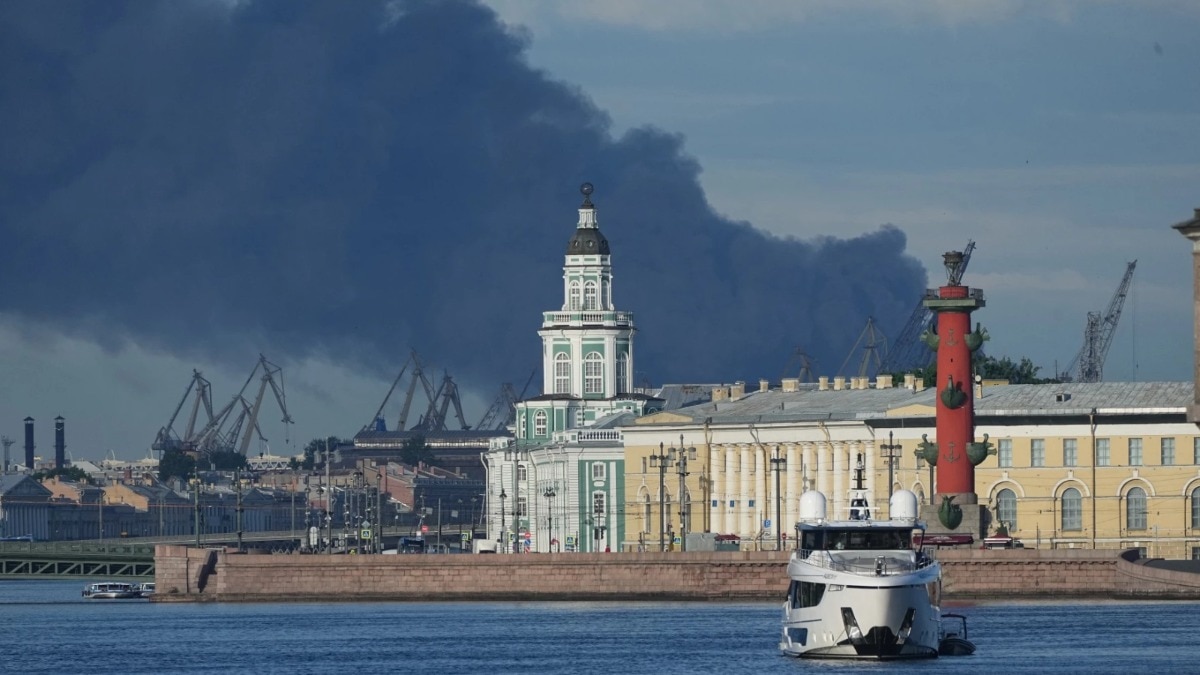
attack on the city of 6 million residents. While initial reports from the governor indicated that the city's oil terminal was struck, he stated that there were no reported casualties and that local authorities had managed the aftermath. In the neighboring Leningrad region, Governor Alexander Drozdenko confirmed that drones also impacted the port of Vysotsk, located approximately 170 kilometers (105 miles) northwest of St. Petersburg on the Baltic Sea. The port is a significant transit point that handles coal, grain, liquefied natural gas, and oil.
Related media

Ukrainian President Volodymyr Zelenskiy claimed responsibility for the operation via Telegram, characterizing the strikes as part of Ukraine’s long-range sanctions
strategy.
Zelenskiy further noted that the operation successfully reached targets more than 850 kilometers (528 miles) from the Ukrainian border. While Ukrainian authorities highlighted the strike on the naval base at Kronstadt, there was no information provided by Russian officials confirming damage to the site."Ukraine's defense forces struck port oil infrastructure that generates revenue for Russia's war, and there were also hits on Kronstadt — an important military target."
Volodymyr Zelenskiy, President of Ukraine, via Telegram
The intensity of the aerial bombardment was widespread. Governor Drozdenko reported that 72 drones were shot down over the Leningrad region. Further south, in the Pskov region, the local governor reported that over 30 drones were neutralized, though he noted minor damage and injuries, including to a factory located in the town of Velikiye Luki. Elsewhere in Russia, regional officials in the Bryansk region and the Russian-installed administration in Crimea reported casualties, with one person killed in each location as a result of drone strikes.
Broader Impact on Russian Energy
The attack on St. Petersburg arrives as Russia contends with an internal fuel crisis. For months, Ukrainian strikes have targeted refineries, storage depots, and terminals across the country.
This situation presents a growing challenge for the Kremlin. While President Vladimir Putin has publicly dismissed the energy strikes as not critical
and labeled them as distractions from battlefield developments, the recurring nature of the attacks has brought the reality of the war into major cities that were previously considered insulated. The ongoing conflict, now in its fifth year, remains characterized by these persistent long-range exchanges.
Recent Developments in the Conflict
The weekend's drone activity coincides with heightened tensions surrounding the status of the city of Kostyantynivka. While the Russian military claims to have captured the industrial and transport hub, President Zelenskiy has denied these reports, labeling the Russian assertion a lie
and an attempt to manufacture a news story.
As of Saturday, July 4, 2026, the situation remains fluid, with local authorities in the affected Russian regions continuing to assess the damage from the overnight incursions. The conflict continues to shift, with both sides monitoring the logistical and political consequences of the sustained bombardment of infrastructure.
How significant is this development?
Contribute your assessment to the aggregated reader intelligence ledger.
Archypedia is dedicated to independent, evidence-backed reporting. This briefing was synthesized from primary source reporting, corroborated across independent newsrooms, and verified against our Editorial Standards.
Transparency record
Evidence behind this report
This report synthesizes 12 distinct sources. Open the source ledger below to compare the underlying coverage.
- apnews.com
- themoscowtimes.com
- cbc.ca
- finance.yahoo.com
- timesnownews.com
- indiatoday.in
- wiky.com
- newsday.com
- whtc.com
- kyivpost.com
- aol.com
- tbsnews.net
Prepared under the Archypedia Editorial Policy by the Samir Haddad editorial desk profile. AI-assisted tools may support drafting and verification; public accountability remains with Archypedia. Report an error.