Kyoto University explains tree coexistence
Researchers have developed a novel framework to explain the mechanistic interplay between light competition and species coexistence in old-growth forests.
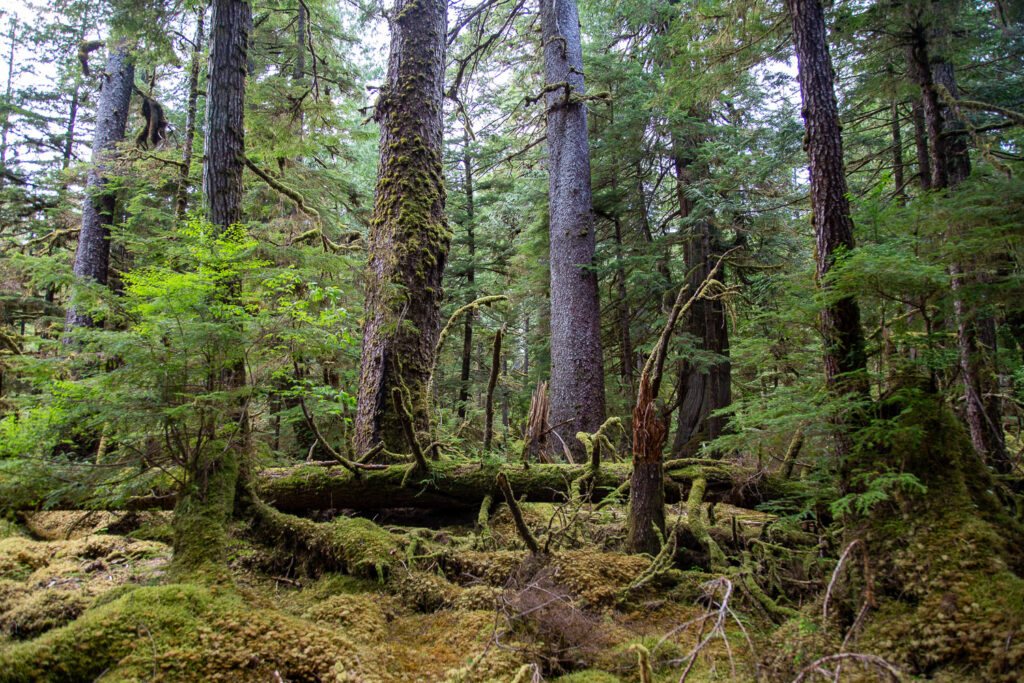
A recent study by Kyoto University has shed light on the long-standing mystery of how trees of vastly different sizes can coexist in old-growth forests. According to the Research, published on the Kyoto University website, the key to understanding this phenomenon lies in the complex interplay between light competition and species coexistence.
Forests are shaped by light competition, with taller trees having access to the most sunlight and blocking the rays, rendering the shaded space around them inhospitable to shorter trees below. However, in old-growth forests, trees of vastly different sizes successfully coexist, proving that reaching the top of the canopy is not the sole winning strategy for survival in a forest environment. This is evident in the structure and composition of old-growth forests, as described by Oldgrowthforestecology, which highlights the presence of large old living trees, a wide range of tree sizes and ages, and a multi-layered canopy.
Related media

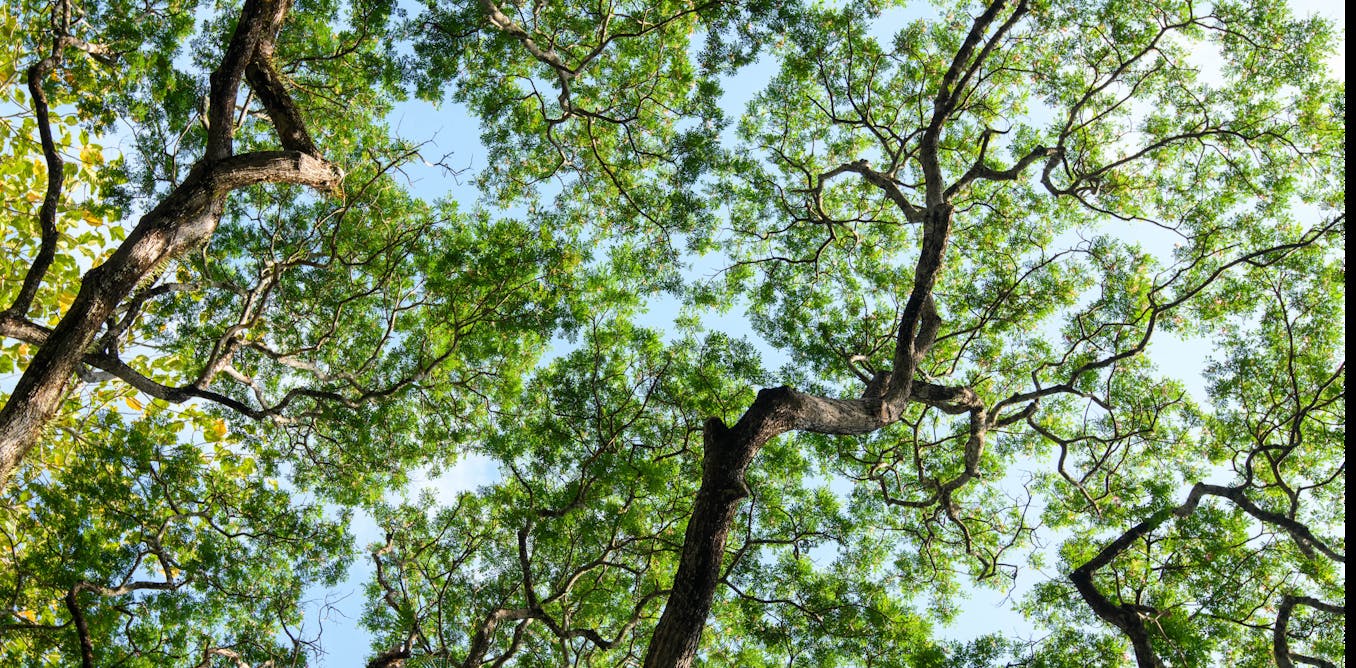
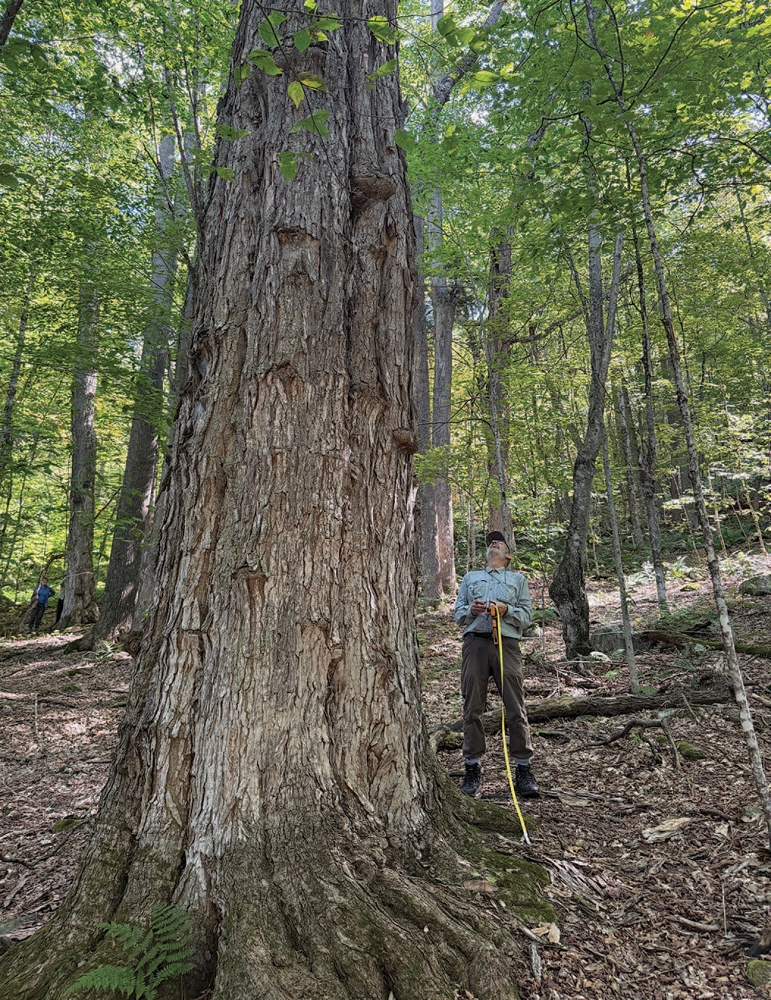
To understand how this coexistence is possible, the researchers from Kyoto University developed a novel framework analyzing a tree's relative growth rate, separated into two key factors: light interception efficiency and light use efficiency. By mapping the crown shapes and 3D light profiles of each tree within 12 different forest plots of varying ages in Japan, the team was able to reveal a mechanistic explanation behind how light competition quantitatively drives secondary forest succession.
The study's findings have significant implications for our understanding of forest dynamics and the importance of preserving old-growth forests. As The Conversation notes, trees compete for space, light, and resources, and these clashes can leave battle scars, shaping the overall makeup of the forest.
In addition to the scientific significance of the study, the preservation of old-growth forests is also crucial for maintaining biodiversity and ecosystem services. As Northern Woodlands explains, old-growth forests are rare, irreplaceable legacies of natural history, providing unique structures, habitats, and functions that support a wide range of plant and animal species.
Old-growth forests are characterized by their complex structure and composition, which includes large old living trees, a wide range of tree sizes and ages, and a multi-layered canopy. According to Oldgrowthforestecology, trees in old-growth forests are individualistic, with their characteristics shaped over the centuries by their genetics, competition with nearby trees, the effects of disturbances such as storms, diseases, and insects, and site conditions.
The team from Kyoto University is applying their approach to other forest sites of different ages across various climate zones, including warm temperate and tropical forests. They hope this will validate and establish their framework as a general, universal principle on a global scale.
The study by Kyoto University provides new insights into the complex interplay between light competition and species coexistence in old-growth forests. The findings highlight the importance of preserving these forests, not only for their scientific significance but also for their role in maintaining biodiversity and ecosystem services.
Furthermore, the preservation of old-growth forests requires a holistic approach, including protecting existing old-growth forests, letting older forests age, and accelerating the development of old-growth characteristics through active management. As Northern Woodlands suggests, this approach allows landowners to increase the "old-growth-ness" of their woods while also meeting goals such as producing wood products, generating income, or enhancing wildlife habitat.
The importance of preserving old-growth forests is also highlighted by the fact that they are rare and irreplaceable legacies of natural history. As Northern Woodlands notes, old-growth forests have unique structures, habitats, and functions that support a wide range of plant and animal species.
How significant is this development?
Contribute your assessment to the aggregated reader intelligence ledger.
Archypedia is dedicated to independent, evidence-backed reporting. This briefing was synthesized from primary source reporting, corroborated across independent newsrooms, and verified against our Editorial Standards.
Transparency record
Evidence behind this report
This report synthesizes 12 distinct sources. Open the source ledger below to compare the underlying coverage.
- kyoto-u.ac.jp
- oldgrowthforestecology.org
- logic-bespoke.com
- theconversation.com
- northernwoodlands.org
- research.fs.usda.gov
- en.wikipedia.org
- miragenews.com
- lifetechnology.com
- travel.yahoo.com
- smithsonianmag.com
- yahoo.com
Prepared under the Archypedia Editorial Policy by the Niko Vale editorial desk profile. AI-assisted tools may support drafting and verification; public accountability remains with Archypedia. Report an error.