Perseverance rover finds record concentrations of organic carbon on Mars
The discovery of complex organic molecules in Martian mudstones provides a chemical foundation for life, though scientists debate if the origin is biotic or abiotic.
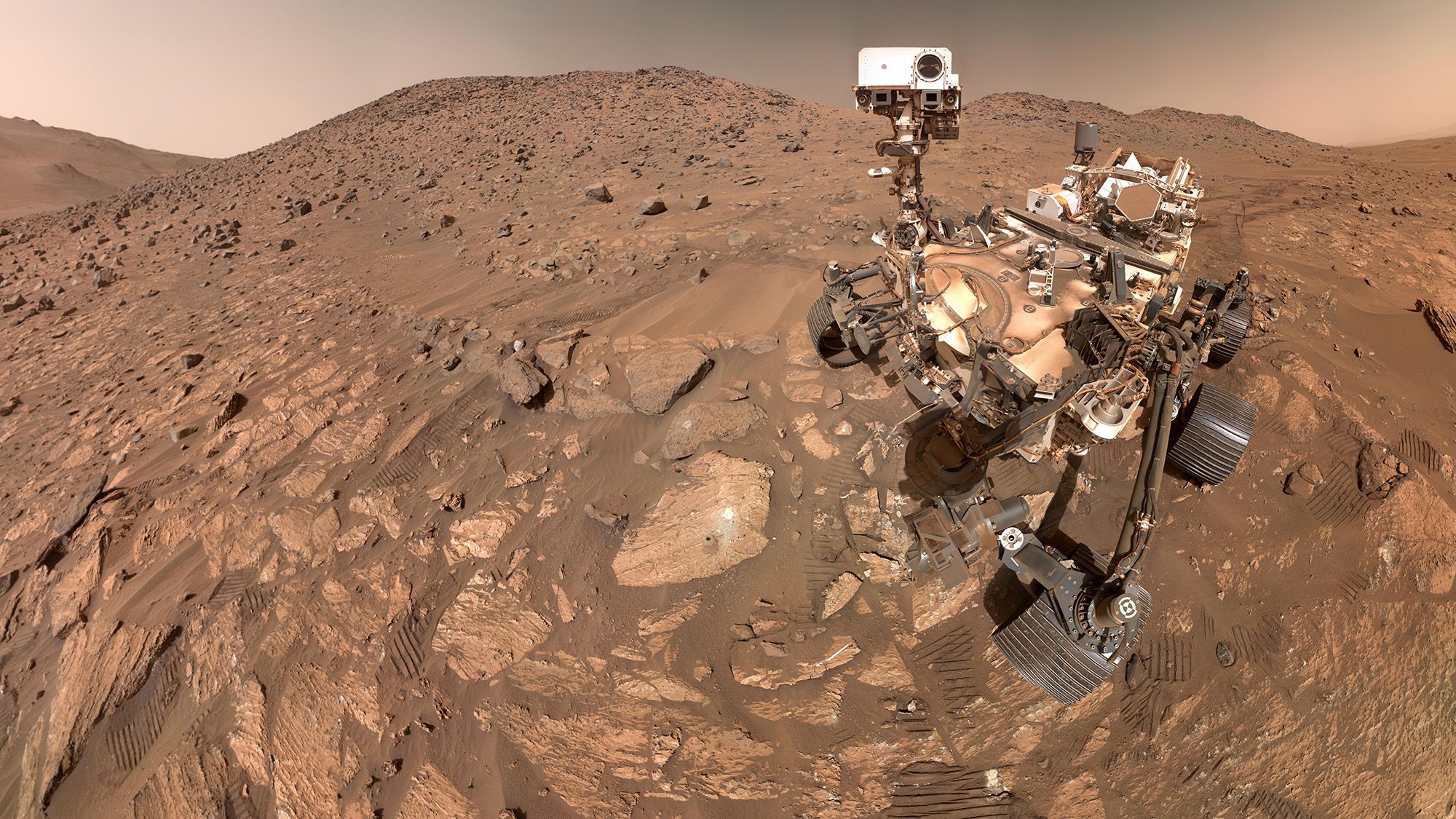
NASA's Perseverance rover has discovered a record-breaking concentration of organic molecules in the mudstones of Jezero Crater, uncovering a complex form of carbon that serves as the chemical foundation for all known life. The findings, published June 24 in the journal Science Advances, identify macromolecular carbon
(MMC) in an ancient river valley, providing what researchers describe as an unambiguous confirmation of the presence of organics on the Red Planet.
The discovery is significant not only for the volume of carbon detected — described in the study as hundreds of organic detections
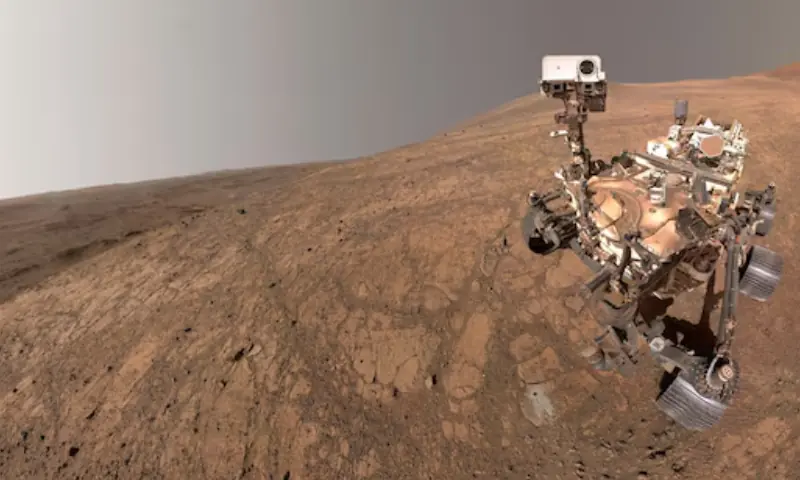
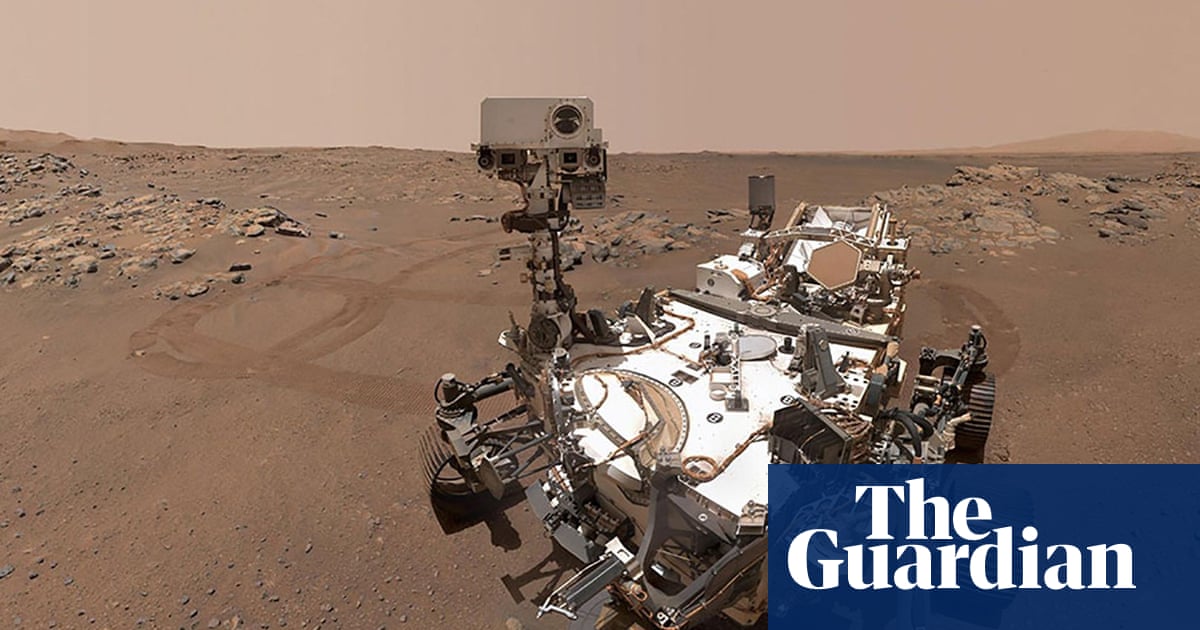
— but for its geological context. The MMC was found within the Bright Angel outcrop, a region located along Neretva Vallis, a dried-up river valley. This area has been under intense scrutiny since 2024, when the rover detected potential biosignatures in a rock named Cheyava Falls.
Related media
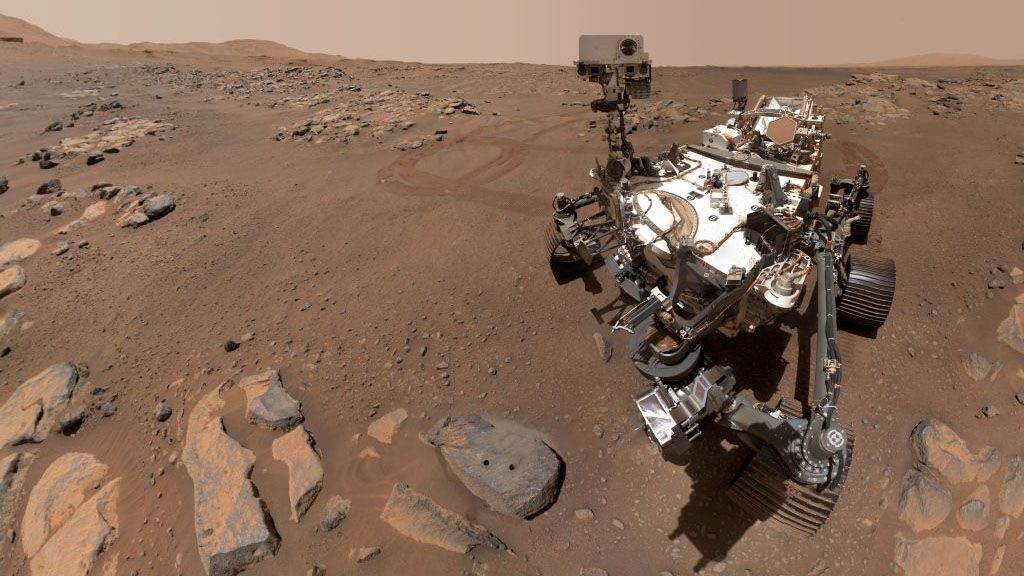
The Cheyava Falls rock features ring-shaped leopard spots
and dark marks resembling poppy seeds. On Earth, such features can be associated with microbial activity. While these patterns can be created by nonliving sources, the rocks at Bright Angel show no evidence of the high temperatures or acidic conditions that typically produce such abiotic markings.
A "Treasure Trove" of Carbon
Using the Scanning Habitable Environments with Raman and Luminescence for Organics and Chemicals (SHERLOC) instrument, scientists mapped the distribution of carbon in two specific mudstones: Cheyava Falls and Walhalla Glades. These rocks, located approximately 330 feet (100 meters) apart, formed perhaps between 3.2 and 3.8 billion years ago beneath a body of water that once filled the Jezero Crater.
The research reveals that the organic carbon exists in two distinct chemical environments. In one mudstone, the carbon is mixed with silicate-dominated sediment. In the other, it is associated with secondary carbonate and sulfate minerals.
Crucially, this is the first time macromolecular carbon has been discovered in mudstones within Jezero Crater. It also represents the first instance of MMC being detected on a natural rock surface on Mars. According to the study, the carbon appears relatively intact, suggesting it may have been recently exposed or is naturally resistant to the radiation and chemical oxidation that typically destroy organic matter on the Martian surface.
The Debate: Biotic vs. Abiotic
Despite the excitement, scientists are cautious about claiming the discovery as proof of ancient life. Organic carbon is a necessary building block for DNA, cells, and proteins, but it can also be produced by nonbiological means.
Dr. Ashley Murphy of the Planetary Science Institute noted that MMC can originate from biological sources, such as fossilized microbial mats and coal, but it can also form through reactions between rocks and water or be delivered to the planet via meteorite strikes.
The similarities of this carbon to both biotic and abiotic processes found on Earth, as well as abiotic carbon in meteorites, complicate the conclusion.
"This strengthens evidence that ancient Mars had chemical ingredients and environmental conditions that could have supported life, but does not provide proof of life, nor does it push the needle any further towards biotic or abiotic origins,"
Kyle Uckert, NASA Jet Propulsion Laboratory, via Dawn
Widespread Habitability
The discovery has broader implications for the entire planet. NASA's Curiosity rover previously detected organic carbon at Gale Crater. The distance between these two organic-rich sites, reported as approximately 2,300 miles (3,700 kilometers) in some reports, suggests that the chemical ingredients for life were likely widespread across Mars billions of years ago.
The Sample Return Crisis
While the Perseverance rover can identify the presence of carbon, its science payload was not designed to distinguish between organics formed via abiotic and biotic processes. To solve this puzzle, the samples must be analyzed in laboratories on Earth.
The Cheyava Falls sample was intended to be returned to Earth in the 2030s via a joint mission between NASA and the European Space Agency. However, the Trump administration's 2026 budget proposal deemed the project financially unsustainable
and proposed slashing it. According to Live Science, the project is currently considered dead, though other reports indicate a revised mission is now being planned for the 2030s.
Summary of Findings
| Feature | Discovery Detail |
|---|---|
| Primary Material | Macromolecular Organic Carbon (MMC) |
| Key Locations | Cheyava Falls and Walhalla Glades (Bright Angel outcrop) |
| Associated Minerals | Silicates, carbonates, sulfates |
| Age of Rocks | 3.2 to 3.8 billion years old |
| Key Instrument | SHERLOC (UV Laser Spectrometer) |
What to watch next:
- International Competition: China's Tianwen-3 mission, which aims to return its own Martian samples, with some reports citing a launch no sooner than 2028 and others suggesting a return by 2031.
How significant is this development?
Contribute your assessment to the aggregated reader intelligence ledger.
Archypedia is dedicated to independent, evidence-backed reporting. This briefing was synthesized from primary source reporting, corroborated across independent newsrooms, and verified against our Editorial Standards.
Transparency record
Evidence behind this report
This report synthesizes 10 distinct sources. Open the source ledger below to compare the underlying coverage.
- nasa.gov
- devdiscourse.com
- livescience.com
- dawn.com
- theguardian.com
- space.com
- uk.news.yahoo.com
- sciencedaily.com
- sciencenews.org
- eos.org
Prepared under the Archypedia Editorial Policy by the Niko Vale editorial desk profile. AI-assisted tools may support drafting and verification; public accountability remains with Archypedia. Report an error.