US strikes Iran facilities as regional conflict escalates over Hormuz Strait
US strikes Iran facilities as regional conflict escalates over Hormuz Strait
The United States has launched a series of strikes against Iranian targets in retaliation for attacks on commercial vessels transiting the Strait of Hormuz, a critical waterway that connects the Persian Gulf to the Gulf of Oman. The strikes, which were carried out by US Central Command, targeted Iranian air defense systems, coastal surveillance systems, surface-to-air missile batteries, anti-ship cruise missiles, and drone launch sites.
According to CBS News, the US military launched the strikes "to impose heavy costs for targeting and attacking commercial shipping crewed by innocent civilians in an international waterway." The strikes were in response to Iranian attacks on three commercial vessels, including the Qatari-flagged Al-Rekayat, which was hit by a projectile and caught fire in its engine room.
Related media

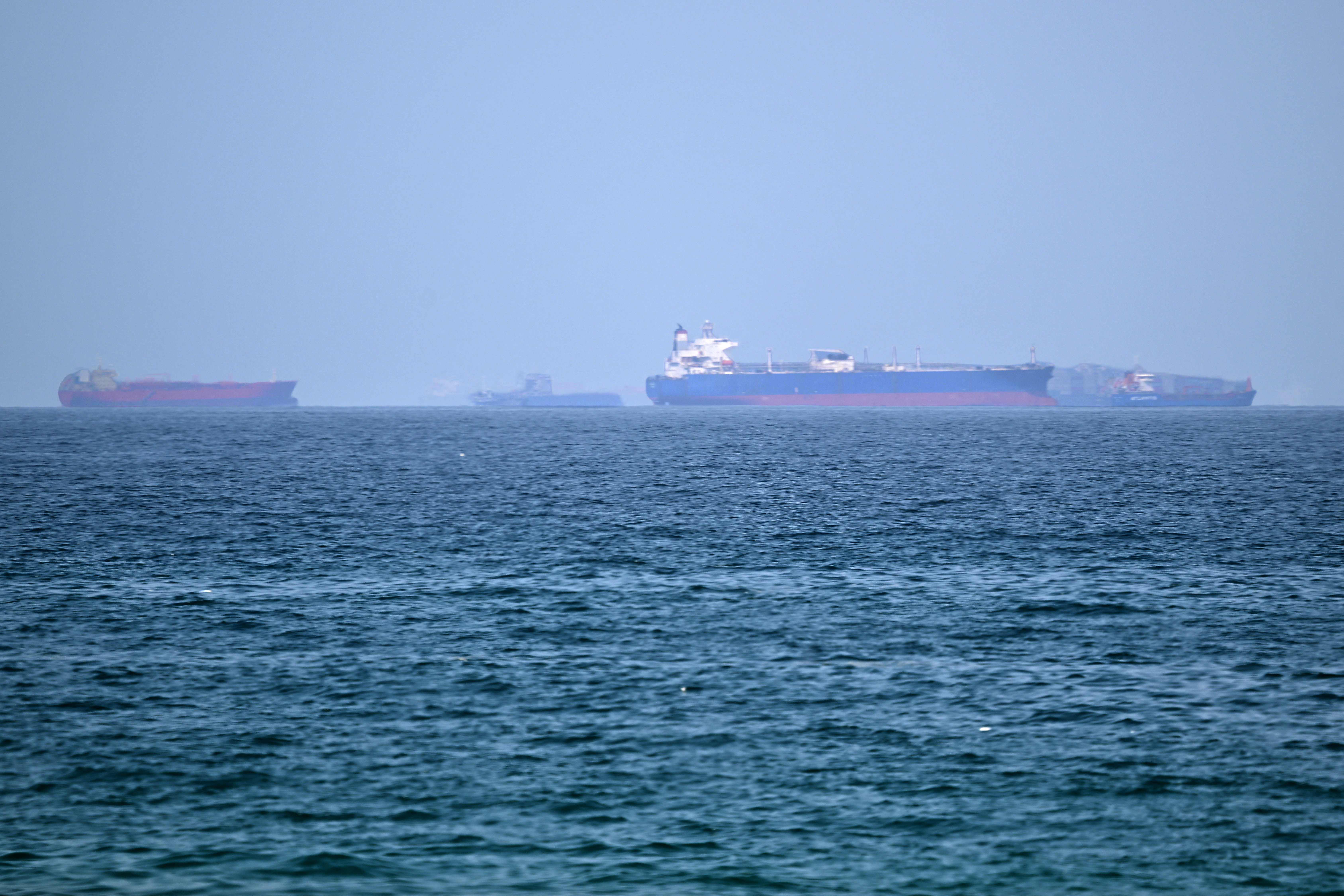
The AP News reported that the US military's Central Command said American forces launched the strikes "to impose heavy costs for targeting and attacking commercial shipping crewed by innocent civilians in an international waterway." The command added that the strikes were in response to Tuesday's attacks on three commercial vessels transiting the strait, which Iran has neither confirmed nor denied carrying out.
The escalation of the conflict has raised concerns over global energy supplies, with News reporting that oil prices have surged sharply, with Brent crude futures rising around 3% to approximately $75.78 per barrel.
The conflict has also had a ripple effect on the global economy, with Deccan Chronicle reporting that the US has revoked a license that authorized the sale of Iranian oil, prohibiting Iran from a significant revenue source negotiated during recent talks.
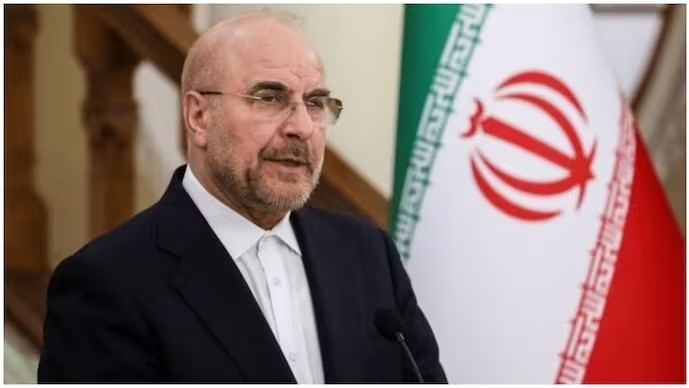
In a statement, Iranian Parliament Speaker Mohammad Bagher Ghalibaf accused the US of committing "major" violations with regard to the Islamabad Memorandum of Understanding.
The US strikes on Iran have been met with warnings from Tehran, with Iran's central military command stating that it "will respond decisively to this aggression and terrorist act." Iran's foreign ministry has also accused the US of violating the memorandum of understanding inked by the two countries last month by revoking a waiver on Iranian oil sanctions.
The situation in the region remains tense, with air raid sirens sounding in Kuwait and Bahrain, and both countries urging their residents to "be calm and move to a safe place." The US military has launched a series of powerful strikes against Iran, hitting more than 80 targets with precision munitions, including air defense systems, command and control networks, coastal radar sites, and anti-ship missile capabilities.
Iran's top joint military command, the Khatam al-Anbiya Central Headquarters, has said that Iranian armed forces would deliver a "crushing response" to the latest US strikes, warning that Tehran would not allow US interference in the management of the Strait of Hormuz. The command added that the only safe passage for commercial vessels and oil tankers through the waterway was the route determined by Iran.
The conflict has also had an impact on the global stock markets, with News reporting that the BSE Sensex bled more than 350 points and tested 77,800, while the NSE Nifty50 breached 24,300, taking a hit of nearly 122 points.
The US has also revoked a temporary sanctions waiver for Iranian oil, which had permitted Iran to produce, sell, and deliver crude oil and related products through August 21. The decision was made after three tankers were struck in the Strait of Hormuz, and before fresh US strikes on Iran.
How significant is this development?
Contribute your assessment to the aggregated reader intelligence ledger.
Archypedia is dedicated to independent, evidence-backed reporting. This briefing was synthesized from primary source reporting, corroborated across independent newsrooms, and verified against our Editorial Standards.
Transparency record
Evidence behind this report
This report synthesizes 6 distinct sources. Open the source ledger below to compare the underlying coverage.
Prepared under the Archypedia Editorial Policy by the Samir Haddad editorial desk profile. AI-assisted tools may support drafting and verification; public accountability remains with Archypedia. Report an error.