Modern Humans May Have Shared Culture With Neanderthals for 20,000 Years
Archaeological evidence from the Üçağızlı II Cave indicates that Neanderthals and modern humans shared similar stone-tool techniques and symbolic shell collection. These findings suggest both groups may have maintained contact or shared cultural traditions over thousands of years.
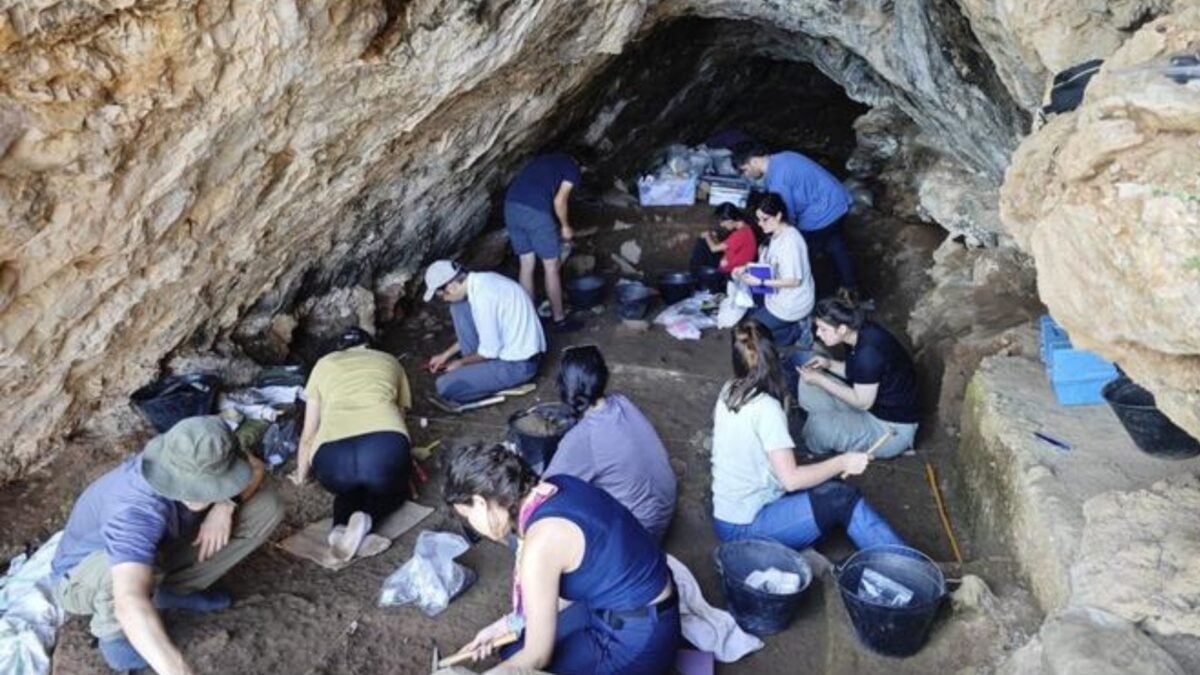
Archaeological evidence from the Üçağızlı II Cave in southern Türkiye suggests that Neanderthals and modern humans may have shared a common cultural repertoire for a period spanning more than 20,000 years. The findings, published on Monday, 6 July in the journal Proceedings of the National Academy of Sciences, indicate that these two distinct human groups utilized similar survival strategies and symbolic practices while inhabiting a region that functioned as a prehistoric corridor between the Levant and Eurasia.
The research team, which included scientists from Türkiye, France, and Japan, conducted five years of excavations at the site. By analyzing the internal structure of fossilized teeth and employing optically stimulated luminescence to date sediment, researchers determined the sequence of occupation. Neanderthals inhabited the cave from approximately 77,000 to 59,000 years ago, while Homo sapiens occupied the space between roughly 59,000 and 47,000 years ago.
Related media

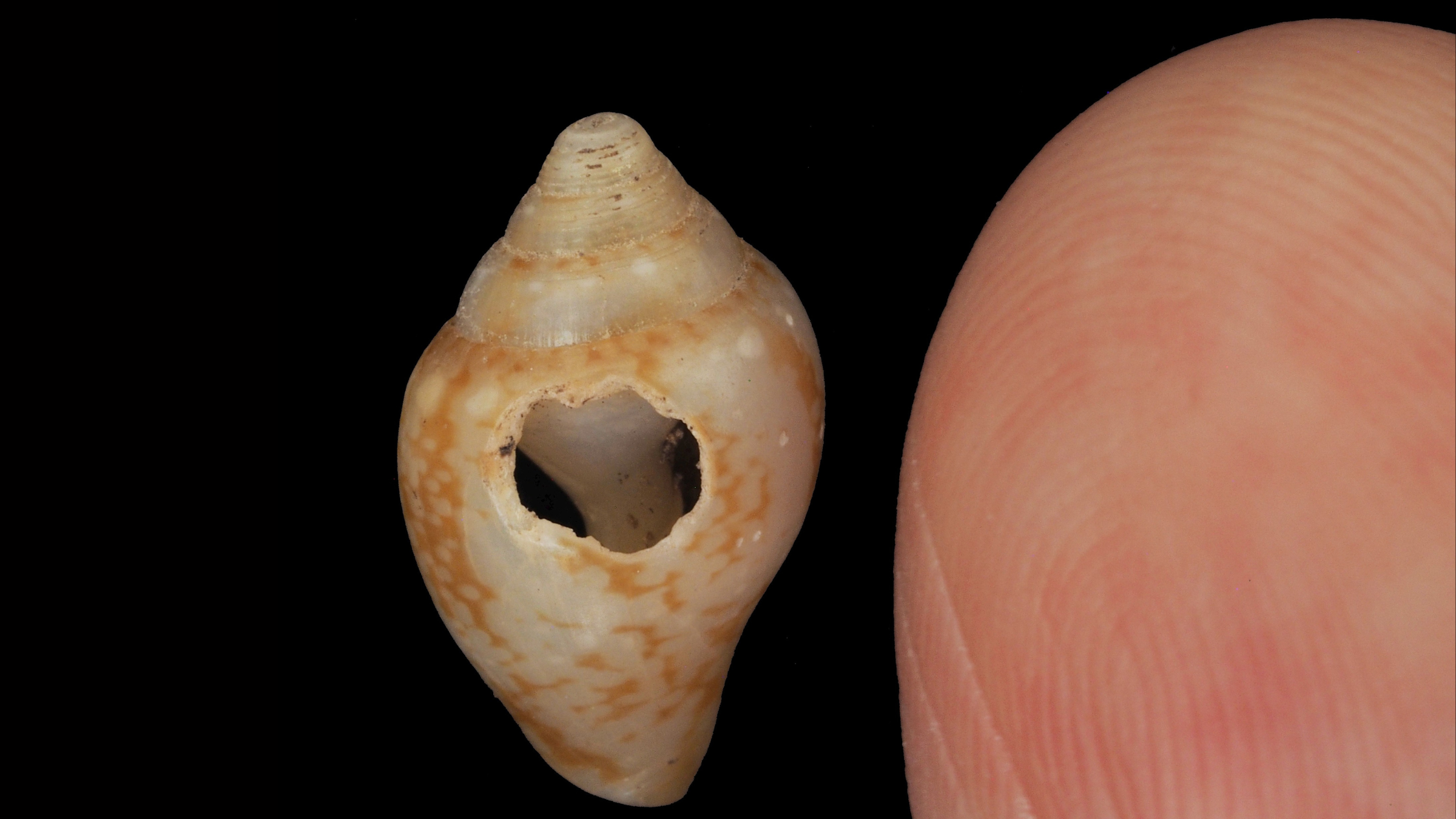

Despite these distinct temporal layers, the archaeological record revealed a striking uniformity in daily life. Both groups relied on identical local flint sources, employed the same stone-tool manufacturing techniques, and hunted the same animal species, including wild boar, roe deer, fallow deer, and wild goats. According to the research team, this consistency in the foundational toolkit suggests that the two groups may have been in contact or shared cultural traditions, rather than independently developing identical behaviors.
Evidence of Symbolic Behavior
A central discovery at the cave is the persistent collection of Columbella rustica, a small marine mollusk. Researchers recovered 29 of these shells from the occupational layers of both species. Because the mollusks provided no clear nutritional value, their presence suggests they were gathered for non-utilitarian, symbolic purposes. In some instances, the shells were found with broken tips or holes, implying they may have been worn as ornaments. One specimen from the Neanderthal-occupied layer showed evidence of deliberate heating, which altered its color.
"Our findings indicate a deep level of cultural interaction. These two distinct but closely related human groups were not just adapting to the same environment: they were probably sharing symbolic preferences."
Naoki Morimoto, paleoanthropologist at Kyoto University, PNAS study co-author
Lead author İsmail Baykara, a professor at Gaziantep University, noted that the shared preference for these specific shells was one of the most significant surprises of the excavation. He stated that this behavior, previously thought to be exclusive to modern humans, forces a reconsideration of the nature of cultural boundaries and cognitive capacities among different human groups in the Levant.
Regional Patterns and Scientific Context
The findings at Üçağızlı II Cave offer a contrasting narrative to other sites, such as the Mandrin Cave in France. In the French site, evidence suggests that Neanderthals and modern humans replaced one another in distinct pulses, but did not leave evidence of a continuous culture. Conversely, the Turkish data aligns with recent observations from the Tinshemet Cave in Israel, where researchers identified signs of shared behavior between the two groups tens of thousands of years earlier.
While the study proposes that the groups likely shared cultural aspects, the exact mechanism of this exchange—whether through imitation, direct contact, or shared ancestry—remains an active area of investigation. April Nowell, a Paleolithic archaeologist at the University of Victoria, noted that while the archaeological record shows behavioral overlap, it does not confirm the precise nature of the interaction. She emphasized that because two types of humans could not occupy the same ecological niche indefinitely, sites like Üçağızlı II remain essential for understanding the complexity of human evolution.
The fossils of modern humans at the site date to between 50,000 and 60,000 years ago. These individuals may represent a close relative of the founding lineage of all living non-African populations, or they could belong to an earlier wave of modern humans that migrated into the Levant.
How significant is this development?
Contribute your assessment to the aggregated reader intelligence ledger.
Archypedia is dedicated to independent, evidence-backed reporting. This briefing was synthesized from primary source reporting, corroborated across independent newsrooms, and verified against our Editorial Standards.
Transparency record
Evidence behind this report
This report synthesizes 12 distinct sources. Open the source ledger below to compare the underlying coverage.
- livescience.com
- gizmodo.com
- iz.ru
- yahoo.com
- europesays.com
- archaeology.wiki
- ground.news
- brightsurf.com
- discovermagazine.com
- scientificamerican.com
- newscientist.com
- news.berkeley.edu
Prepared under the Archypedia Editorial Policy by the Niko Vale editorial desk profile. AI-assisted tools may support drafting and verification; public accountability remains with Archypedia. Report an error.