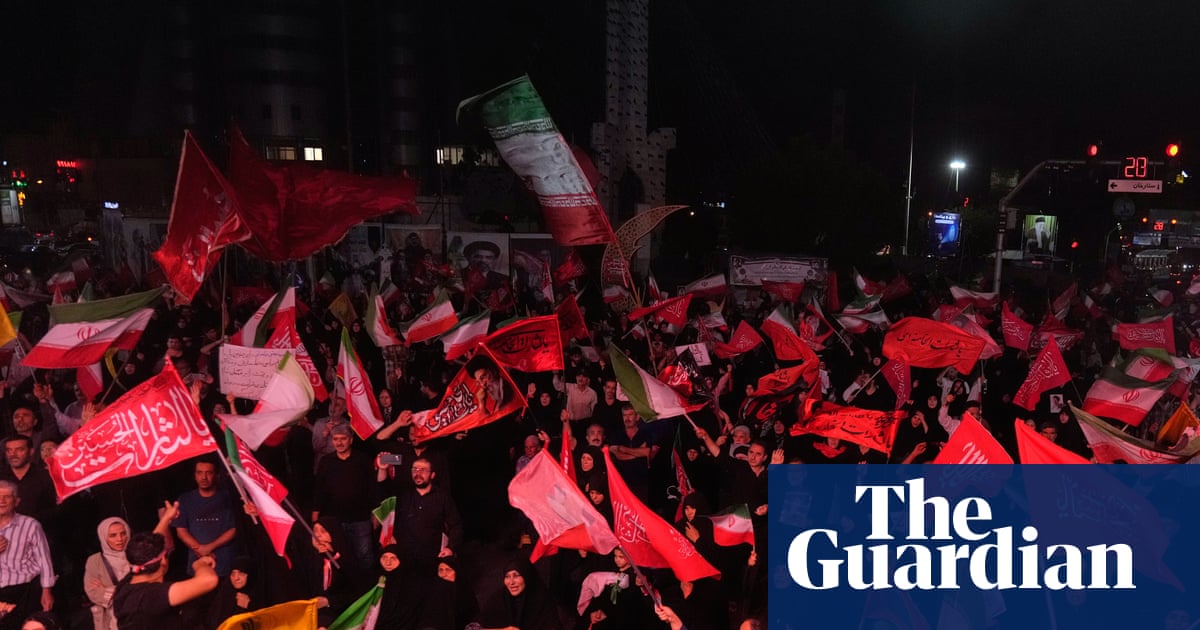
Iran and US exchange strikes as tensions rise in Strait of Hormuz
U.S. and Iranian forces traded military strikes in the Strait of Hormuz following a drone attack on a commercial vessel, marking a major escalation.

Tensions in the Strait of Hormuz reached a dangerous new peak this weekend as the United States and Iran traded military strikes. The latest escalation, which unfolded throughout Saturday, 27 June 2026, marks the most significant breakdown in relations since the interim peace deal was signed to conclude the four-month-old conflict.
The cycle of violence began Thursday when Iran launched an explosive-laden drone attack against a commercial vessel, the Singapore-flagged Ever Lovely, while it transited the strait. President Donald Trump addressed the incident on Friday, describing the maneuver as a foolish violation
of the ceasefire agreement. He stated that while one drone successfully struck the cargo ship, U.S. Forces intercepted three others. By Friday, the U.S. Military responded with targeted airstrikes against Iranian missile and drone storage facilities, as well as coastal radar sites, according to U.S. Central Command. U.S. Aircraft hit multiple targets along the Strait of Hormuz and on Iran's Qeshm Island.
Related media

Tehran retaliated on Saturday by launching what its foreign ministry termed defensive
attacks against U.S.-linked military positions. The Kingdom of Bahrain—which hosts the U.S. Navy’s 5th Fleet—reported that a number of Iranian drones targeted its territory. Bahrain’s Foreign Ministry condemned the strikes as a flagrant threat to the security of citizens and residents
and a violation of its sovereignty. Simultaneously, the U.K. Maritime Trade Operations reported that a tanker in the Strait of Hormuz was struck by an unidentified projectile. While the vessel sustained damage to its bridge, all crew members were reported safe.
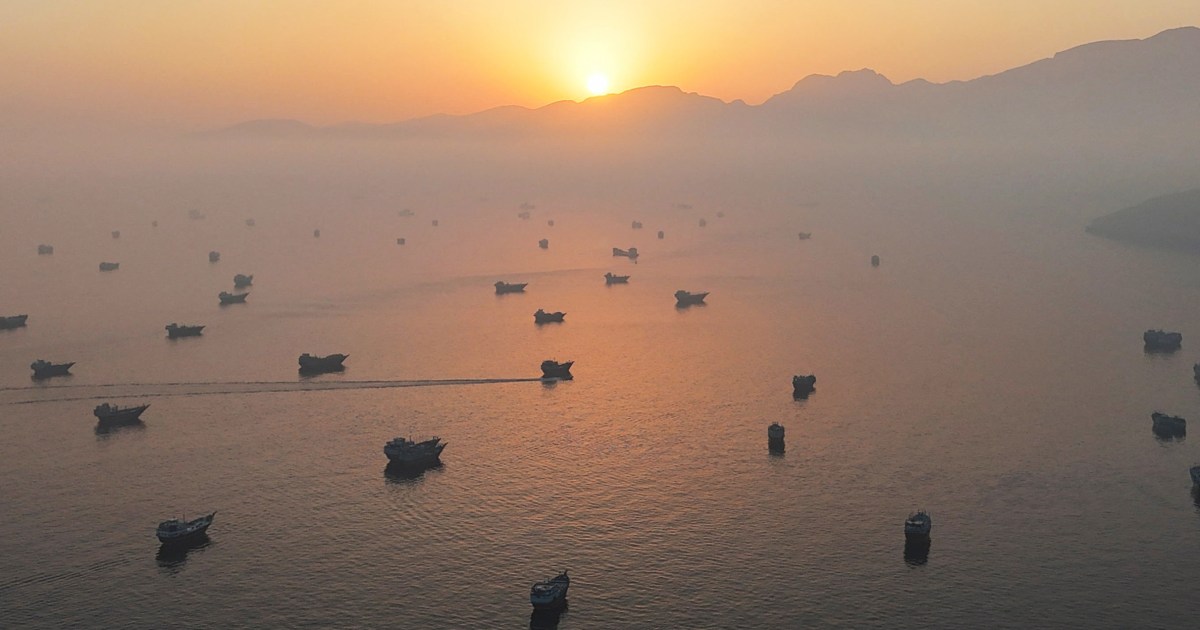
The conflict centers on competing visions for the administration of the Strait of Hormuz, a critical energy chokepoint. The Joint Maritime Information Center, overseen by the U.S. Navy, recently expanded a shipping route near the coast of Oman to facilitate traffic, a move Tehran decries as illegal. Following the weekend’s attacks, the center raised its security threat level to substantial,
warning mariners of potential mines. Iran has insisted that ships must obey its orders and warned it will start charging fees for transit, while the U.S. And Gulf Arab states maintain the waterway must remain international and toll-free.
Diplomatic rhetoric has hardened in the wake of these exchanges. Vice President JD Vance, the chief U.S. Negotiator, maintained that the U.S. Had upheld the ceasefire terms.
Conversely, Iranian officials, including advisers to the Supreme Leader, have accused Washington of failing to ensure the promised cessation of hostilities."If they have disagreements about how the MOU is being applied, they can pick up the phone. But violence will be met with violence,"
JD Vance, U.S. Vice President, via Social Media
A separate, trilateral agreement announced Friday between the U.S., Israel, and Lebanon has further strained the U.S.-Iran memorandum. Hezbollah leader Naim Qassem rejected the deal, calling it a humiliation
and a disgrace,
insisting that the provisions of the original Iran-U.S. Memorandum must take precedence.
What to watch next
- Market Stability: Analysts are monitoring the Monday market opening to assess whether the weekend’s military exchanges will trigger a shift in oil prices, which had recently neared pre-war levels.
- Maritime Clearance: The U.N.'s International Maritime Organization has paused its evacuation coordination, leaving the future of hundreds of stranded sailors in the Gulf uncertain until safety guarantees are provided.
- Regional Alignments: With the Gulf Cooperation Council, including Saudi Arabia, Qatar, and the UAE, condemning the strikes on Bahrain, further alignment of regional Arab states with U.S. Maritime security efforts is expected.
As of late Saturday, the situation remains fluid. U.S. Officials have characterized the Friday strikes as a response to Iranian aggression, while Iran’s Revolutionary Guard warned that any repeated aggression would be met with a broader response.
How significant is this development?
Contribute your assessment to the aggregated reader intelligence ledger.
Archypedia is dedicated to independent, evidence-backed reporting. This briefing was synthesized from primary source reporting, corroborated across independent newsrooms, and verified against our Editorial Standards.
Transparency record
Evidence behind this report
This report synthesizes 12 distinct sources. Open the source ledger below to compare the underlying coverage.
- nbcnews.com
- usatoday.com
- cbsnews.com
- latimes.com
- yahoo.com
- dailymail.com
- aljazeera.com
- independent.co.uk
- livemint.com
- apnews.com
- finance.yahoo.com
- thehindu.com
Prepared under the Archypedia Editorial Policy by the Mara Ionescu editorial desk profile. AI-assisted tools may support drafting and verification; public accountability remains with Archypedia. Report an error.