Shipping in Strait of Hormuz at a standstill despite US-Iran ceasefire
Commercial traffic in the Strait of Hormuz has collapsed after the breakdown of a U.S.-Iran ceasefire, resulting in a significant surge in oil prices.

Shipping activity in the Strait of Hormuz has stalled, effectively nullifying the brief period of stability established by a ceasefire agreement between the United States and Iran. The waterway, which typically facilitates the transit of approximately one-fifth of global oil and liquefied natural gas, remains a flashpoint of military confrontation. Commercial traffic is lingering at a mere fraction of pre-war levels, dampening hopes for a resolution to one of the most significant energy disruptions in recent history.
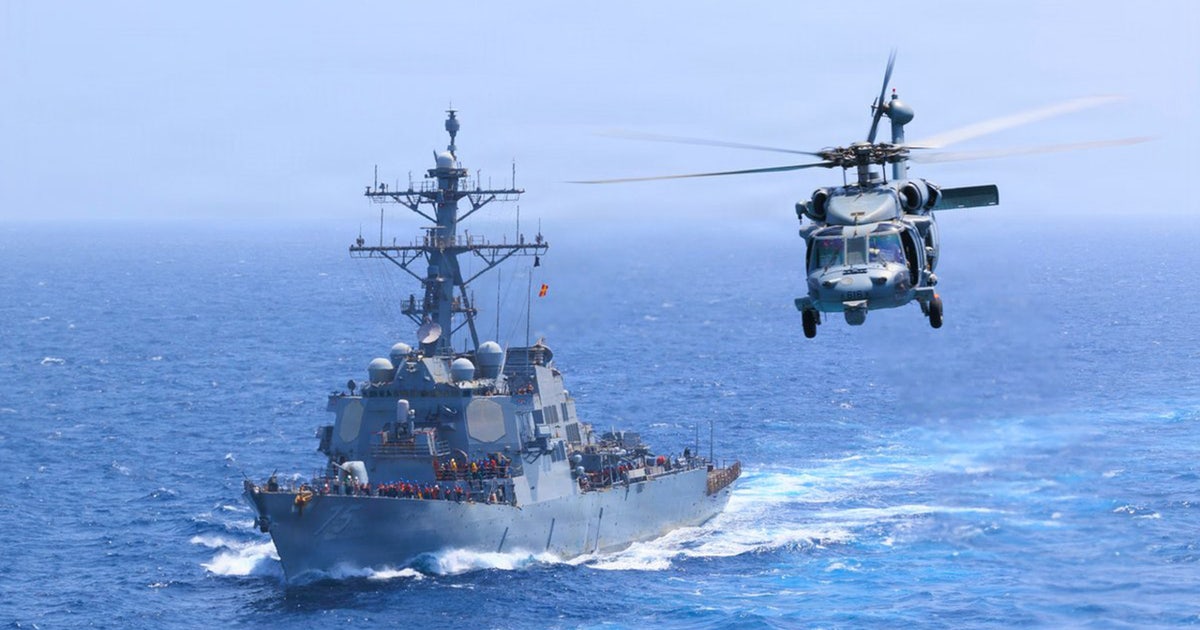
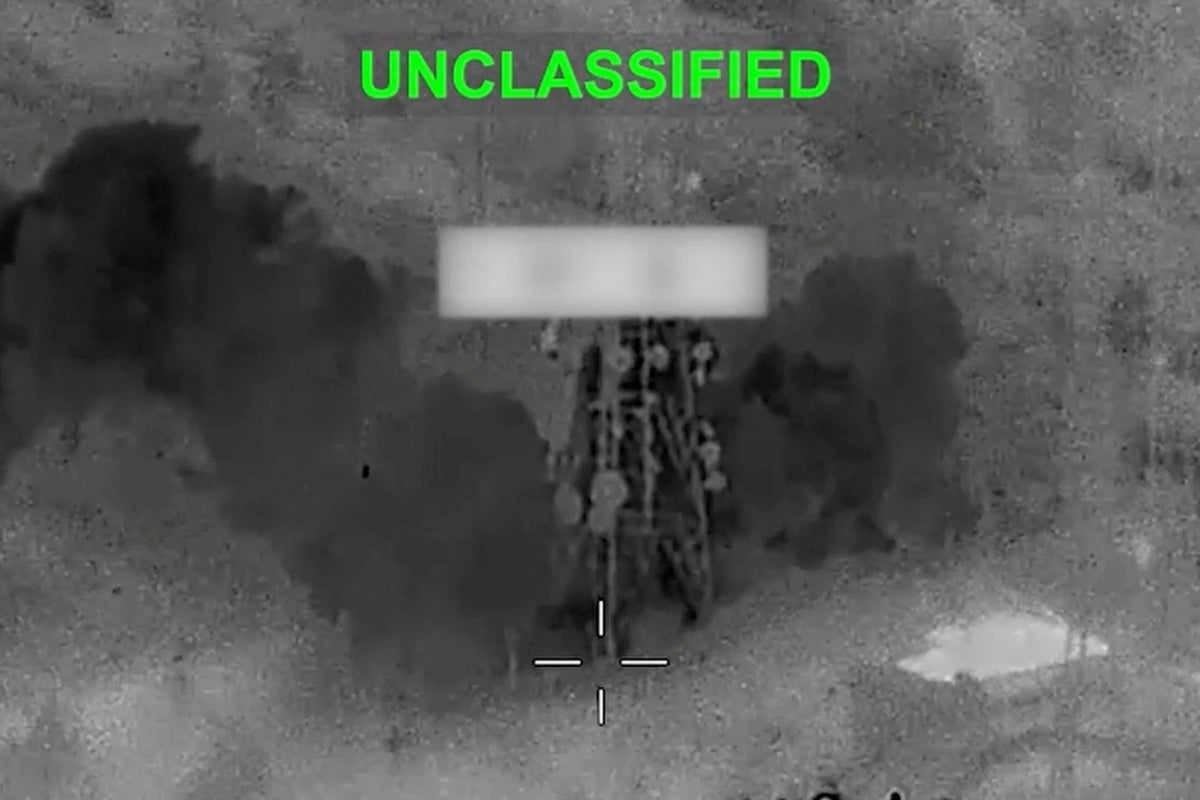
The collapse of the truce follows a rapid cycle of escalation. On Tuesday, 14 July 2026, the United States resumed a naval blockade targeting vessels transiting to and from Iranian ports. U.S. Central Command stated that forces initiated this blockade at 4 p.m. ET. This action mirrors a previous restriction that lasted from 13 April 2026 until 18 June 2026. The move comes as the U.S. Continues strikes intended to degrade Iranian capabilities used to attack commercial shipping. CENTCOM reports that over 20 U.S. Warships and hundreds of aircraft are currently operating in the region.
Related media
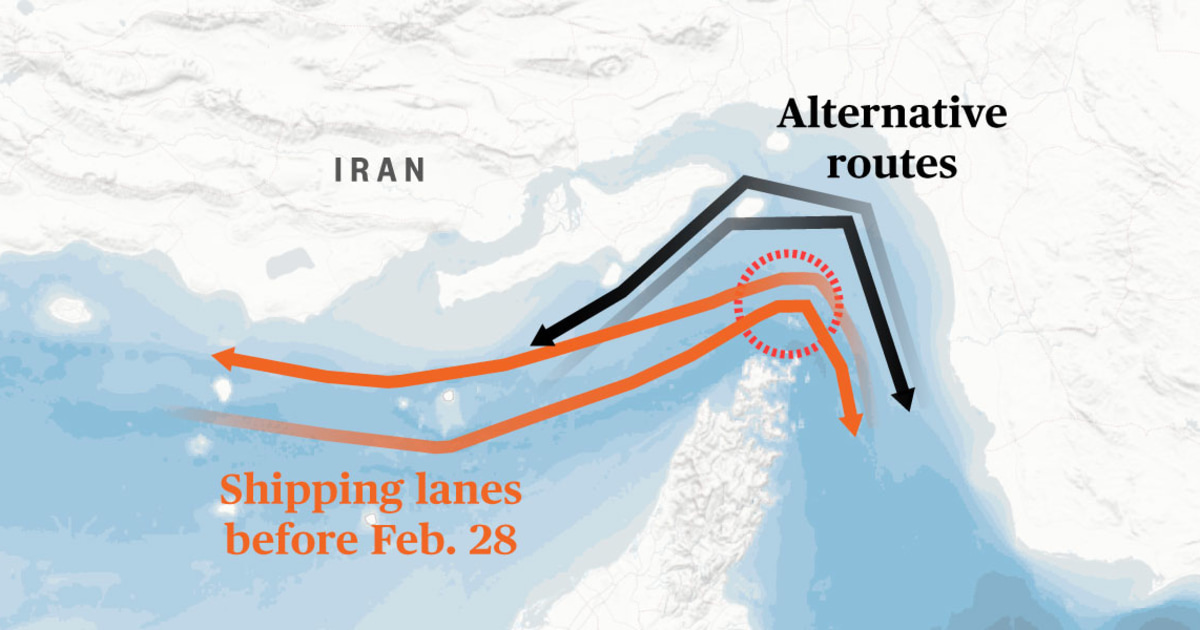

The immediate catalyst for the renewed hostilities was a series of attacks on commercial vessels. Iranian forces reportedly struck two non-compliant supertankers in the strait, following a 11 July 2026 attack on a Cyprus-flagged container ship. Data indicates that at least 29 ships have been attacked in the region since 1 March 2026. Tensions have been further complicated by the emergence of competing transit requirements. While the U.S. Has urged mariners to utilize a southern maritime corridor near the coast of Oman, Iranian authorities have demanded that ships adhere to routes within their territorial waters, specifically near Qeshm and Larak islands.
Shifting Positions on Maritime Security
The U.S. Administration’s approach to the strait has remained volatile. On 13 July 2026, President Donald Trump suggested the implementation of a 20 percent reimbursement fee on cargo shipped through the corridor to fund security operations. By 14 July 2026, the President reversed this stance, announcing that the fee would be replaced by investment deals with Gulf nations. President Trump has also characterized the United States as the Guardian of the Hormuz Strait
in recent communications.
Disagreement regarding the legal status of the waterway persists. Michael Singh, a Mideast specialist with the Washington Institute for Near East Policy, noted that the memorandum of understanding signed last month contained ambiguous language regarding the responsibility for safe passage. Iranian officials, including Foreign Minister Abbas Araghchi, have accused the U.S. Of failing to honor the deal. Mohammad Bagher Ghalibaf, the Speaker of Iran’s Parliament, publicly rejected the notion of one-sided deals.
Operational Impact on Global Trade
Data from Kpler indicates that traffic remains severely constrained. Lloyd’s List Intelligence reports that over 600 vessels, including 325 tankers, were stranded in the Gulf as of late last week. Market analysts observe that the ongoing uncertainty has forced energy producers to reroute shipments and adjust contractual obligations, contributing to sustained upward pressure on oil prices. Brent crude futures surged 5 percent to $87.49 per barrel on 14 July 2026.
Elizabeth Kennedy Trudeau, a policy analyst, notes that the focus on military and transit logistics often overshadows the humanitarian consequences of the conflict. The people of Iran are really where we should be centering our conversation,
Trudeau said, via RFE/RL, highlighting that the regime's control over information and everyday life remains a critical, often overlooked dimension of the crisis.
What to Watch Next
- Diplomatic Mediation: Qatar, Oman, and Pakistan remain in contact with the respective parties.
- Transit Compliance: Whether ships follow the U.S.-backed Omani corridor or the Iranian-authorized coastal routes will remain a primary indicator of escalating or cooling hostilities.
- Market Benchmarks: Analysts continue to monitor Brent crude futures as an indicator of global confidence in the security of the Strait of Hormuz.
- Internal Developments: The current Supreme Leader, Mojtaba Khamenei, has vowed to avenge the death of his father, keeping regional security analysts focused on potential retaliatory maneuvers.
Archypedia is dedicated to independent, evidence-backed reporting. This briefing was synthesized from primary source reporting, corroborated across independent newsrooms, and verified against our Editorial Standards.
Transparency record
Evidence behind this report
This report synthesizes 7 distinct sources. Open the source ledger below to compare the underlying coverage.
Prepared under the Archypedia Editorial Policy by the Samir Haddad editorial desk profile. AI-assisted tools may support drafting and verification; public accountability remains with Archypedia. Report an error.