Merchant vessel strike in Strait of Hormuz kills one crew member
An explosion off Qeshm island killed one crew member and injured three others, highlighting the mounting human cost inside the blockaded Strait of Hormuz amid broader energy corridor disruptions.

Local Iranian authorities announced that a merchant vessel strike off the coasts of Hengam and Qeshm islands in the Strait of Hormuz killed one crew member and injured three others. According to Qeshm city governor Amir Teymouri via state TV, the explosion occurred around 5am local time, though officials did not specify the origin of the projectile.
The fatality and injuries lay bare the lethal human toll inside the contested waterway, which has faced a strict Iranian blockade for six months. In retaliation for initial strikes by the United States and Israel that ignited the ongoing war on 28 February, Tehran has closed the passage, requiring vessels to secure authorization and considering service fees for transit. While compliant and non-compliant ships alike face regular targeting by Iranian forces, Washington periodically bombs the Iranian coast to challenge Tehran's sovereignty claims, leaving civilian mariners caught directly in the crossfire.
Related YouTube video

Disputed Control and Parallel Energy Shocks
The maritime flashpoint in the Gulf has deepened alongside simultaneous disruptions across regional energy corridors. Independent tracking agencies recorded fresh incidents in the strait, as the British navy-affiliated United Kingdom Maritime Trade Operations (UKMTO) reported that an unknown projectile struck a transiting ship. The UK agency noted that the extent of the damage and the condition of the crew were not immediately clear.
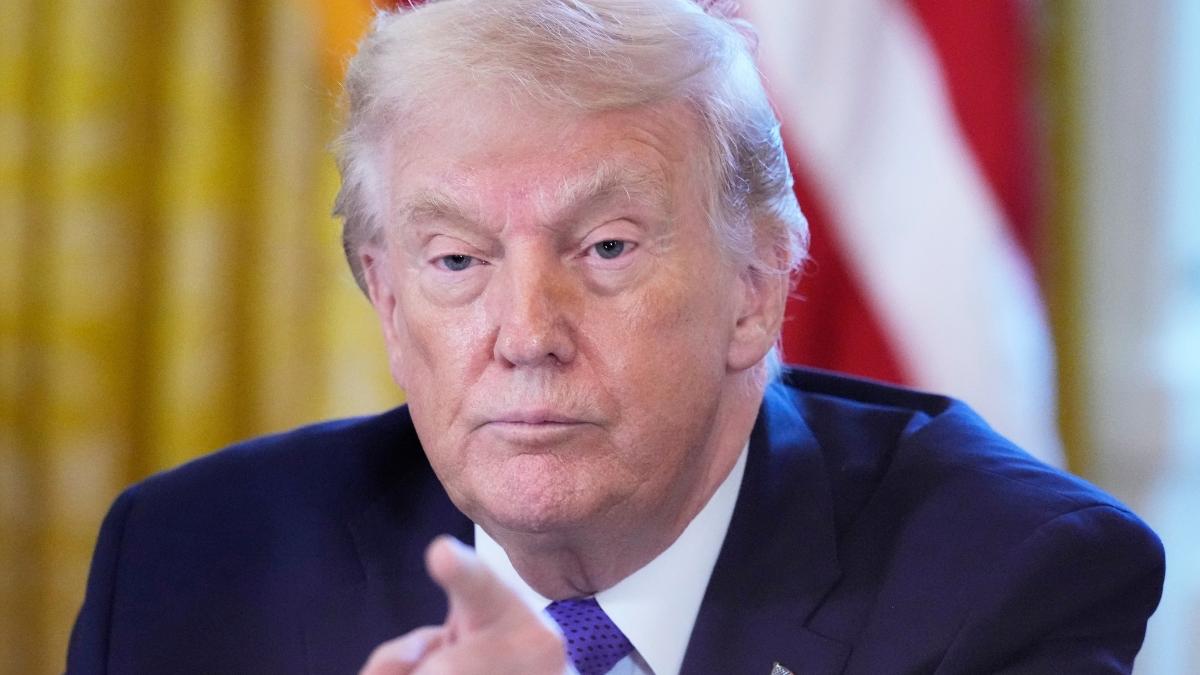
Tensions over the waterway have also sparked a war of words between Washington and Tehran. A senior Iranian Revolutionary Guard Navy official challenged assertions by US President Donald Trump regarding who commands the passage, warning American naval vessels against approaching the strait via Al Jazeera reporting on Fars news agency. If the Strait of Hormuz is under American control, then go ahead — bring one of your warships within 100 kilometres,
the deputy political commander of the IRGC Navy stated.
| Energy Corridor / Route | Status and Disruption Metrics |
|---|---|
| Strait of Hormuz | Blockaded by Iran for six months; requires authorization and service fees; frequent military strikes. |
| Saudi East-West Pipeline | Temporarily shut down following drone attacks originating from Iraq; historically moves 4 to 5 million barrels per day (4% to 5% of global supply). |
| Bab el-Mandeb / Red Sea | Houthi forces seized Perim island and Yemen's Red Sea coast, tightening parallel control over European-Asian trade routes. |
Compounding the Hormuz logjam, Saudi Arabia temporarily closed its 1,200-kilometer East-West crude pipeline after aerial drone attacks struck installations across the Riyadh and Medina regions, causing injuries and forcing emergency safety responses. The pipeline had served as the primary bypass for Saudi exports while the strait remained restricted. The disruption sent shockwaves through international markets, pushing Brent crude above $100 a barrel and causing retail diesel prices in the United States to surge past a record $6 a gallon, while European Union fuel costs climbed significantly, with gasoline and diesel rising by 24% and 33%, respectively, since the war began.
Geopolitical Maneuvers and Diplomatic Hurdles
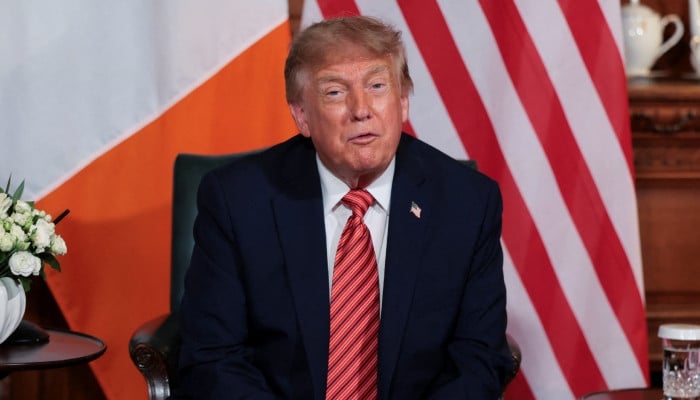
While energy routes freeze, diplomatic and military maneuvers ripple across the wider region. US President Donald Trump stated in Dublin that Yemen's Houthi fighters had contacted Washington to ask that the United States not intervene. The Houthis called us and they don't want to fight with us,
Trump told reporters on a visit to Dublin, Ireland, according to Geo and The Hindu. The remarks followed reports from the US outlet Axios that Saudi Crown Prince Mohammed bin Salman had twice phoned Trump to request American military strikes against the Houthis, a request the White House declined while offering intelligence assistance instead.
The Houthis recently seized strategic territory along the Bab el-Mandeb strait, further tightening pressure on Red Sea shipping lanes. Meanwhile, Iraqi authorities moved to investigate the source of the drones targeting the Saudi pipeline, dismissing provincial military and police commanders in Maysan and closing several border crossings with Iran before announcing a gradual reopening timeline.
Frequently Asked Questions
Who was responsible for the merchant vessel strike in the Strait of Hormuz?
Local Iranian authorities reported the strike off Qeshm island without naming the attacker's origin. Simultaneously, UKMTO noted an independent report of a projectile hitting a vessel, with responsibility remaining unconfirmed by international tracking bodies.
Why is Saudi Arabia's East-West pipeline shut down?
The kingdom suspended operations as a precautionary measure following drone attacks on installations in the Riyadh and Medina regions, which caused injuries and prompted safety integrity checks by emergency crews.
As maritime and energy channels face compounding blockages, diplomatic efforts encounter stiff resistance across the Middle East. Iranian Foreign Minister Abbas Araghchi and Turkish Foreign Minister Hakan Fidan reviewed the escalating crisis by phone, stressing the need to prevent the regional conflict from widening, according to state media coverage cited by Channel NewsAsia and regional reporting. Araghchi also held separate phone consultations with Iraqi Foreign Minister Fuad Hussein and Omani Foreign Minister Badr Albusaidi.
Attention now turns to Muscat, where Iranian representatives are scheduled to meet with Gulf Arab states in an initiative launched by Oman to discuss the future of the blockaded waterway. Although an agreement on transport routes is slated for presentation, a senior Iranian official played down expectations of an immediate breakthrough, noting that the strait will not reopen unless Tehran's seven core conditions are met by Washington—a stance that leaves regional energy routes and commercial shipping facing prolonged uncertainty.
Archypedia is dedicated to independent, evidence-backed reporting. This briefing was synthesized from primary source reporting, corroborated across independent newsrooms, and verified against our Editorial Standards.
Transparency record
Evidence behind this report
This report synthesizes 6 distinct sources. Open the source ledger below to compare the underlying coverage.
Prepared under the Archypedia Editorial Policy by the Samir Haddad editorial desk profile. AI-assisted tools may support drafting and verification; public accountability remains with Archypedia. Report an error.