Trump faces test of NATO unity at upcoming Ankara summit
NATO leaders meet in the Turkish capital to address internal divisions and reaffirm mutual defense commitments amid geopolitical instability. The summit faces uncertainty as U.S. President Donald Trump prioritizes political loyalty over traditional fiscal contributions.
As NATO leaders converge on the Turkish capital for a high-stakes summit on July 7 and 8, 2026, the alliance faces a defining test of its political cohesion. The summit brings together the leaders of all 32 member nations at a moment of profound uncertainty, characterized by escalating tensions in the Middle East and the persistent threat posed by Russia’s ongoing war with Ukraine.
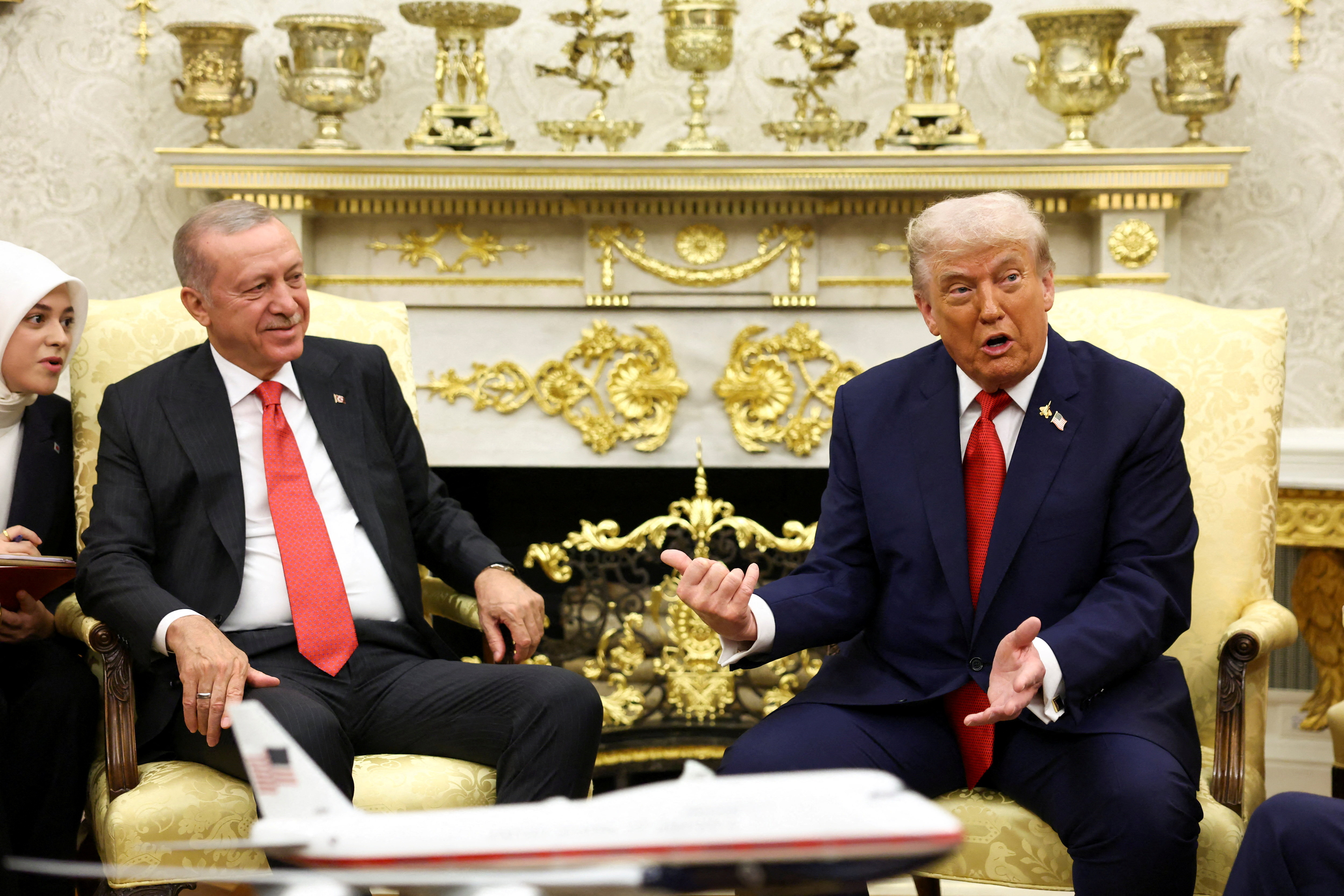
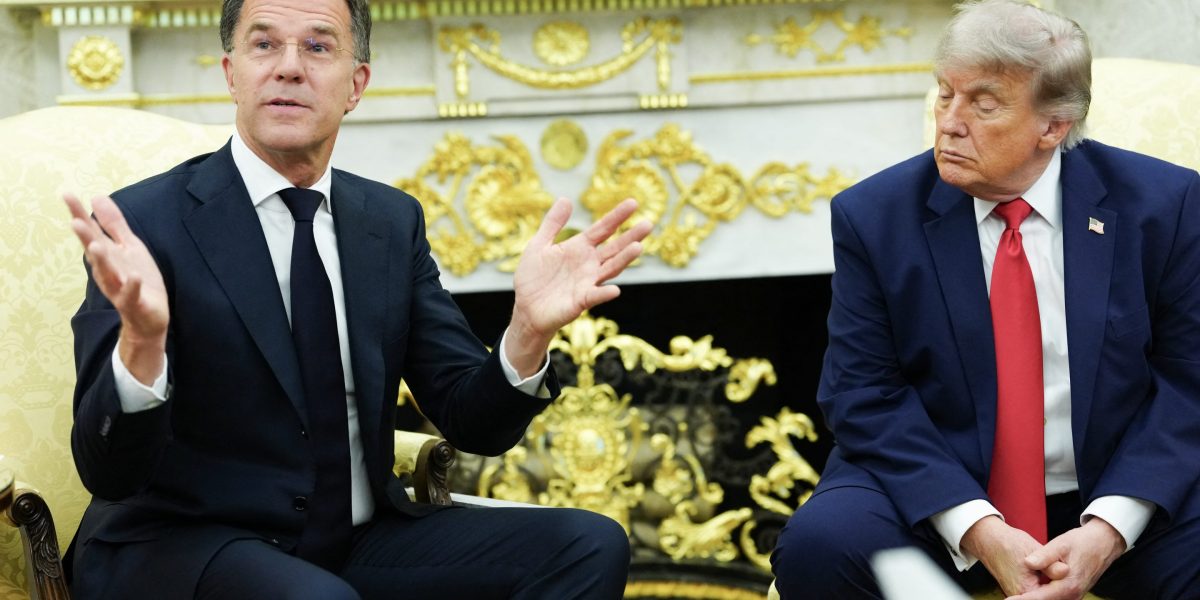
The summit serves as a volatile backdrop for U.S. President Donald Trump, who has frequently questioned the value of the alliance and criticized European members for what he describes as a failure to shoulder sufficient defense costs. While NATO Secretary-General Mark Rutte has engaged in a sustained campaign of diplomacy and flattery—including a high-profile presentation in Washington last month featuring charts titled "The Trump Trillion"—the president’s expectations have shifted. During his recent meeting with Rutte, Trump signaled that financial contributions alone are no longer his primary metric, stating, We don’t need their money — we don’t need anything. I just want loyalty.
Related media

The Search for Unity Amid Structural Friction
The alliance is currently strained by internal disagreements that extend well beyond fiscal debates. Relations between Washington and European capitals have been severely tested by the U.S.-led war against Iran. Many European allies remained cautious regarding direct involvement in the conflict, sparking frustration in the White House. This friction has been compounded by a recent Pentagon decision to initiate a review of American troop deployments and military posture in Europe, a move that prompted warnings from German Defense Minister Boris Pistorius regarding the risk of creating "dangerous capability gaps."
Despite these tensions, NATO diplomats are working to project a unified front. The summit declaration, already reviewed by NATO ambassadors, is expected to reaffirm the ironclad commitment
of all members to the Article 5 mutual-defense clause. The text also designates Russia as a "long-term threat" to Euro-Atlantic security and includes a pledge for 70 billion euros ($80 billion) in military assistance to Ukraine for 2026, with an expectation of equivalent support in 2027.
What to Watch Next
- Article 5 Reaffirmation: Whether the final summit declaration maintains the language regarding Russia as a "long-term threat" and receives explicit, public backing from the U.S. Delegation.
- Defense Industrial Revolution: Secretary-General Rutte is expected to formally unveil new procurement deals and contracts intended to scale up European defense production, an effort designed to provide the "economic case" for NATO that the White House has demanded.
- Bilateral Meetings: High interest surrounds the scheduled talks between President Trump and Turkish President Recep Tayyip Erdoğan. Analysts view these relationships as essential for keeping the U.S. President engaged in the summit process.
For the alliance, the summit represents more than a logistical challenge; it is an effort to prove that the "all-for-one, one-for-all" principle remains credible. As Claudia Major of the German Marshall Fund noted, the core question is whether the leaders can maintain political cohesion or if open disputes will emerge to weaken the military deterrence message. Following the summit, the world will be watching to see if the rhetoric of unity can survive the shifting demands of the White House and the ongoing geopolitical instability surrounding the alliance's borders.
How significant is this development?
Contribute your assessment to the aggregated reader intelligence ledger.
Archypedia is dedicated to independent, evidence-backed reporting. This briefing was synthesized from primary source reporting, corroborated across independent newsrooms, and verified against our Editorial Standards.
Transparency record
Evidence behind this report
This report synthesizes 7 distinct sources. Open the source ledger below to compare the underlying coverage.
- apnews.com
- dw.com
- yahoo.com
- cyprus-mail.com
- globalnation.inquirer.net
- fortune.com
- newsaboutturkey.com
Prepared under the Archypedia Editorial Policy by the Samir Haddad editorial desk profile. AI-assisted tools may support drafting and verification; public accountability remains with Archypedia. Report an error.