Tema Port expansion establishes Ghana as a major West African trade hub
The expansion of Ghana's Port of Tema is transitioning the facility into a major transshipment hub capable of serving large, modern container vessels. This project aims to centralize regional cargo distribution to improve integration under the AfCFTA.

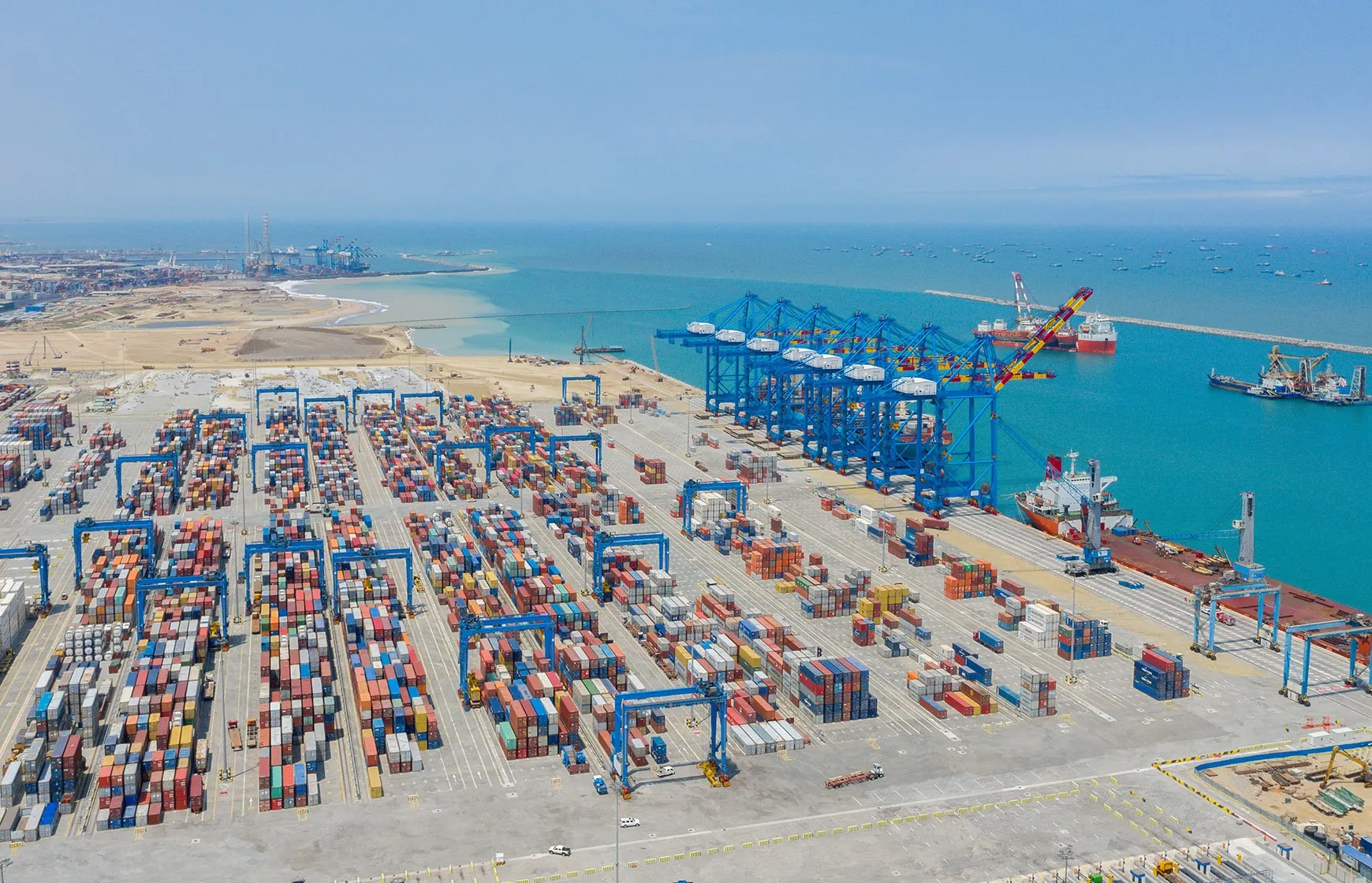
The expansion of the Port of Tema is fundamentally altering maritime logistics in West Africa, transforming the facility from a national gateway into a primary transshipment hub. Developed through a partnership between the Ghana Ports and Harbours Authority (GPHA), APM Terminals, and Africa Global Logistics, the project is designed to transition the region from a fragmented model, where large vessels call at multiple small ports, to a hub-and-spoke system. In this new configuration, large container ships consolidate cargo at Tema for distribution across the region via smaller feeder vessels.
Infrastructure and Capacity
The expansion, which began in 2016, centers on creating deep-water capacity to accommodate the next generation of global shipping. The infrastructure includes a 1.4 km quay featuring four berths with a draft of approximately 16 m and a 19 m deep access channel. These specifications allow the terminal to receive vessels up to 366 m in length with capacities reaching 24,000 TEUs. By the end of 2025, when Phase 2 is scheduled for completion, the terminal area will span 127 hectares, with the annual capacity projected to rise to 3.7 million TEUs. Additional upgrades include the installation of 15 gantry cranes and the deployment of automated gate systems and real-time performance dashboards. Inland connectivity has been bolstered by the Tema–Mpakadan railway link, inaugurated in November 2024, which creates a transport chain extending toward Burkina Faso, Mali, and Niger.
Related media


Economic and Operational Context
The expansion aligns with Ghana's role as the headquarters for the African Continental Free Trade Area (AfCFTA). While the port serves as a logistical backbone for the continent, the project has not been without controversy. The Maritime and Dockworkers’ Union has criticized the concession process for bypassing competitive bidding, raising concerns regarding transparency. Furthermore, disputes between the GPHA and Meridian Port Services (MPS) concerning contract duration and tariff structures have previously affected operations. According to the GPHA 2020 annual report, tensions surrounding these contractual disagreements contributed to a downturn in vessel calls during that year.
Market Impact and Regional Integration
The Port of Tema is competing with established regional hubs in Abidjan and Lagos. Data indicates that container volumes across West Africa have risen by nearly 50% in less than a decade. Despite the disruptions of 2020, during which global trade volumes declined by approximately 5.3% according to the World Bank, the Port of Tema maintained a critical flow of imports. This growth trajectory reflects the broader shift toward larger vessels intended to lower the cost per container.
Key Indicators of Tema Port Evolution
| Metric | Detail |
|---|---|
| Historical Capacity | 800,000 TEUs/year |
| Projected Capacity (2025) | 3.7 million TEUs/year |
| Terminal Area | 127 hectares |
| Vessel Compatibility | Up to 24,000 TEUs |
| Rail Link | Tema–Mpakadan (Inaugurated 2024) |
What to Watch Next
- September 2025: The scheduled completion of Phase 2, finalizing the terminal expansion and installation of new crane systems.
- Regional Competitiveness: Whether major shipping lines will officially shift toward Tema as a primary hub for West Africa, further marginalizing multi-port call strategies.
The long-term success of the Port of Tema rests on its ability to integrate its infrastructure with the regional needs of the AfCFTA. As Africa faces a global imbalance between growing container fleets and port capacity, the development of Tema serves as a test case for how decisive investment and public-private partnerships can establish a competitive logistical platform.
How significant is this development?
Contribute your assessment to the aggregated reader intelligence ledger.
Archypedia is dedicated to independent, evidence-backed reporting. This briefing was synthesized from primary source reporting, corroborated across independent newsrooms, and verified against our Editorial Standards.
Transparency record
Evidence behind this report
This report synthesizes 9 distinct sources. Open the source ledger below to compare the underlying coverage.
- gna.org.gh
- apmterminals.com
- seaandjob.com
- linkedin.com
- cimaghana.org
- hellenicshippingnews.com
- sports.yahoo.com
- finance.yahoo.com
- africanmaritimecouncil.org
Prepared under the Archypedia Editorial Policy by the Samir Haddad editorial desk profile. AI-assisted tools may support drafting and verification; public accountability remains with Archypedia. Report an error.