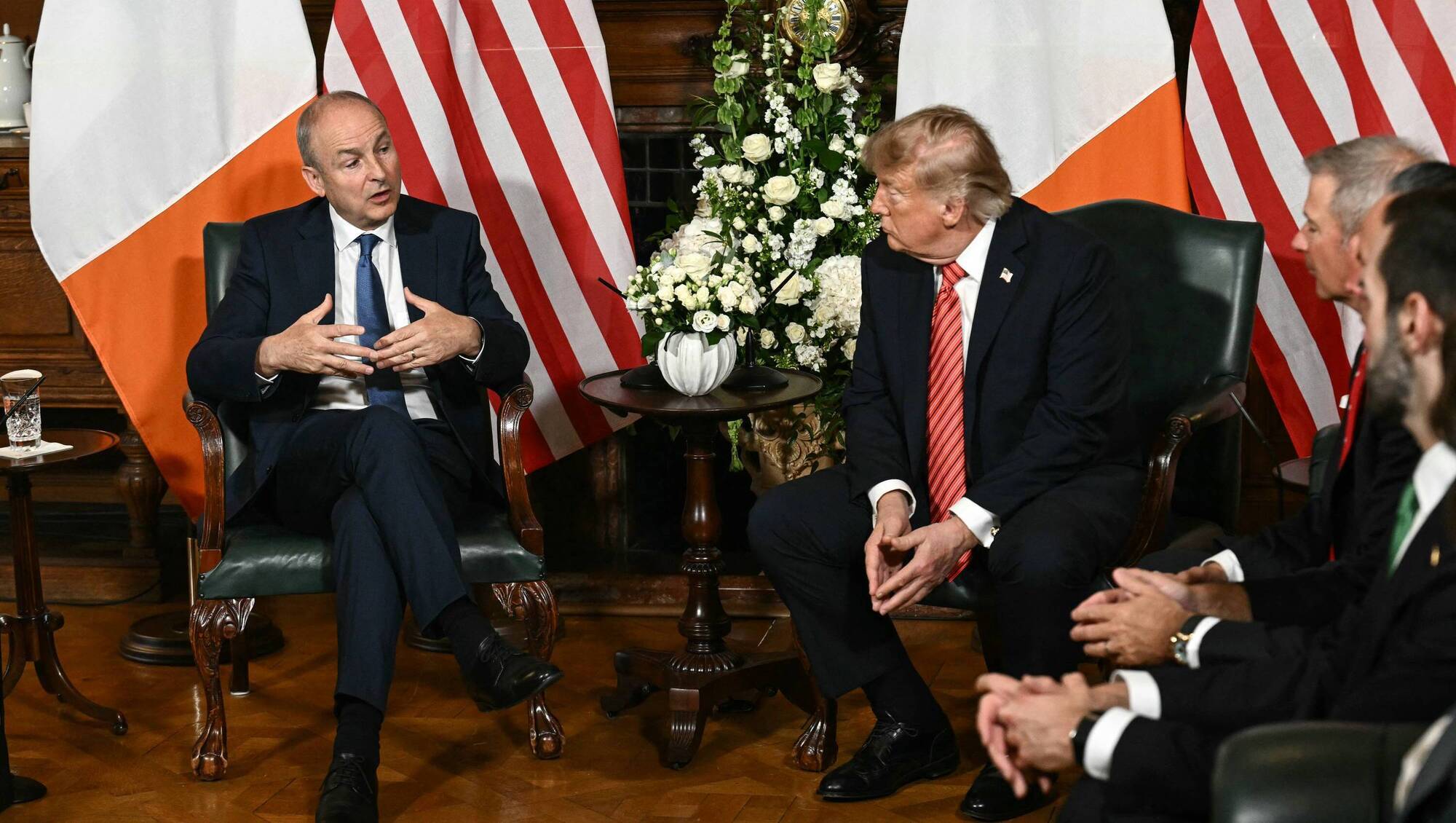
NATO Chief Rutte faces Turkey summit challenge as Trump demands loyalty
As NATO leaders gather in Ankara, Secretary-General Mark Rutte must navigate internal tensions as the U.S. shifts its focus from fiscal benchmarks to political alignment.

As the North Atlantic Treaty Organization prepares for this week’s summit in Ankara, Turkey, the alliance faces a deepening crisis of cohesion. Secretary-General Mark Rutte, who has spent nearly two years attempting to secure the continued commitment of the United States, is now confronting a shift in presidential expectations that moves beyond traditional financial benchmarks.
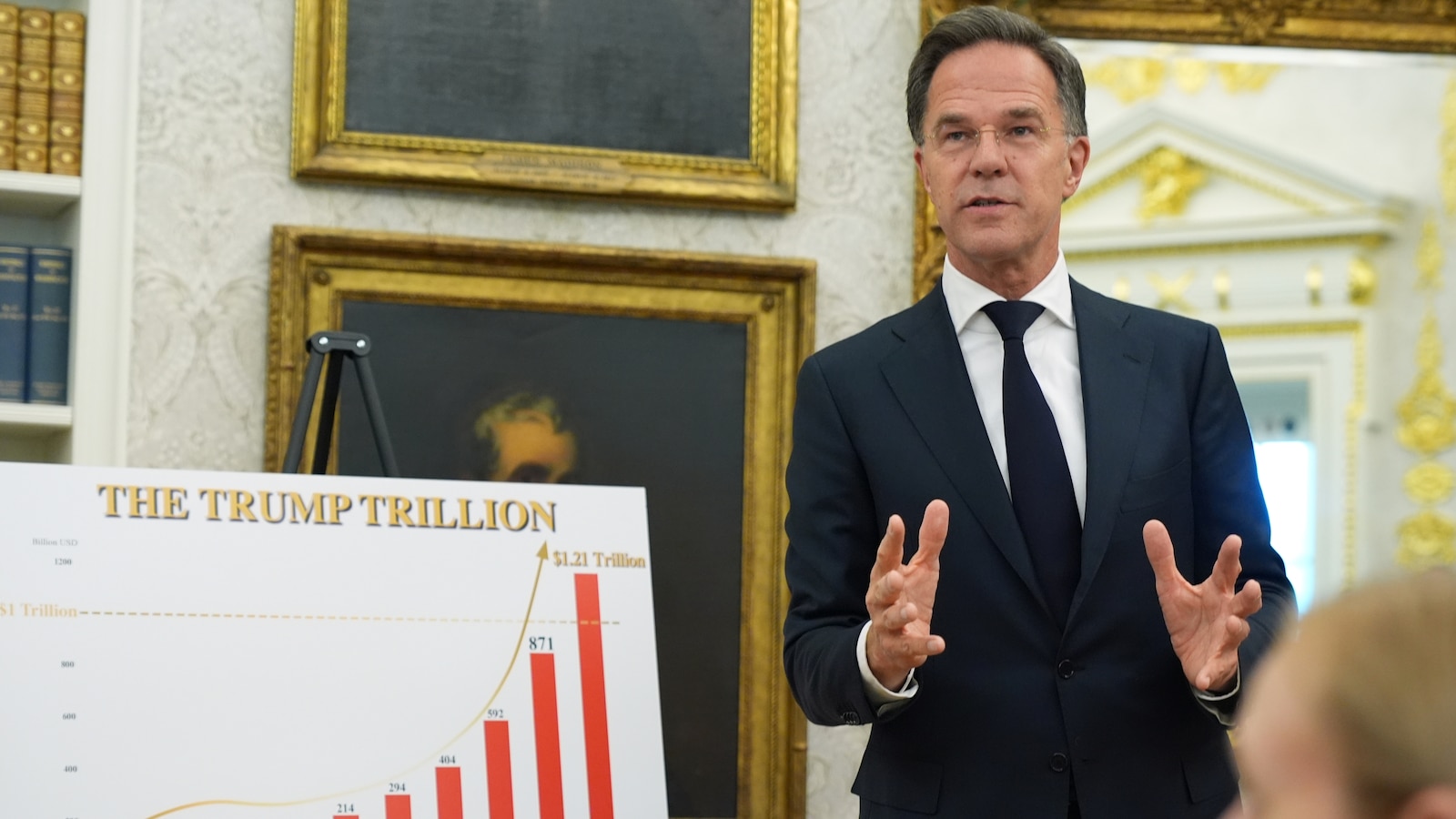
For years, the central tension within the alliance centered on defense spending. Under pressure from President Donald Trump, member nations moved to address these concerns during last year’s summit by pledging to align their investments with the United States in terms of gross domestic product. Rutte recently presented a specialized chart to the president in the Oval Office — dubbed “The Trump Trillion” — to highlight that European allies and Canada have invested $1.2 trillion in defense since 2017. However, the president has signaled that such fiscal data no longer satisfies his primary requirement.
Related media

"We don’t need their money — we don’t need anything. I just want loyalty."
Donald Trump, President of the United States, via Associated Press
The president’s focus has pivoted toward political alignment, specifically citing disappointment regarding the refusal of some allies to participate in the recent conflict involving Iran, which the U.S. Initiated alongside Israel without prior consultation. This shift has left the alliance in a precarious position as it seeks to maintain its foundational Article 5 commitment to collective security, a pledge invoked only once in the history of the organization, following the September 11 attacks.
Shifting Strategic Realities
The internal strain is compounded by evolving security postures. While European members focus on the immediate threat of Russia, highlighted by recent reports of drone flights near military installations, the United States has moved to alter its own military footprint. The Pentagon recently notified allies of plans to reduce the number of troops, warships, aircraft, and drones earmarked for the defense of alliance members, creating a climate of uncertainty that has undermined the sense of shared purpose.
Rutte has attempted to balance these pressures through a strategy of overt diplomacy. His recent presentation in Washington also showcased a $300 billion backlog in European military equipment orders, framed as a direct contribution to the American economy and employment. The Secretary-General's attempts to frame the situation as a division of labor, wherein Europe manages the fallout from the war in Ukraine while the United States focuses on challenges in China, have not yet reconciled the administration's demands.
The Role of the Host
Turkish President Recep Tayyip Erdogan now occupies a critical role in the proceedings. It remains unclear whether this relationship will be sufficient to prevent further erosion of trust or if it serves only as a temporary measure to keep the United States engaged at the table.
The difficulty of the task is well-documented in the memoirs of former Secretary-General Jens Stoltenberg, who previously oversaw an alliance summit in 2018 that was brought to the brink of failure by similar volatility.
"If an American president says he no longer wishes to defend the other allies and leaves a NATO summit in protest, then the NATO treaty and its security guarantee aren’t worth very much."
Jens Stoltenberg, Former NATO Secretary-General, via AP News
What to Watch
- Defense Capabilities: Whether the summit produces progress in transforming financial pledges into operational military assets.
- Article 5 Reassurance: Official statements regarding the U.S. Commitment to collective defense amidst the Pentagon’s announced scaling back of military resources.
- Future Summits: The potential for further unilateral shifts in U.S. Troop positioning, which continue to send conflicting signals to European partners.
As the summit approaches, the central question remains whether a consensus can be forged that transcends financial contributions. With the alliance facing probes of its defenses and ongoing internal disagreements, the gathering in Ankara will serve as a definitive test of whether the traditional civilian leadership can sustain the cohesion of the organization under current U.S. Requirements.
How significant is this development?
Contribute your assessment to the aggregated reader intelligence ledger.
Archypedia is dedicated to independent, evidence-backed reporting. This briefing was synthesized from primary source reporting, corroborated across independent newsrooms, and verified against our Editorial Standards.
Transparency record
Evidence behind this report
This report synthesizes 8 distinct sources. Open the source ledger below to compare the underlying coverage.
- ksat.com
- bostonglobe.com
- abcnews.com
- apnews.com
- hurriyetdailynews.com
- thenewregion.com
- thestar.com
- pbs.org
Prepared under the Archypedia Editorial Policy by the Samir Haddad editorial desk profile. AI-assisted tools may support drafting and verification; public accountability remains with Archypedia. Report an error.