Iran warns Gulf states against aiding US forces
Major General Ali Abdollahi dismissed Gulf neutrality claims, arguing that hosting US military logistics infrastructure makes regional governments active participants in the ongoing conflict.
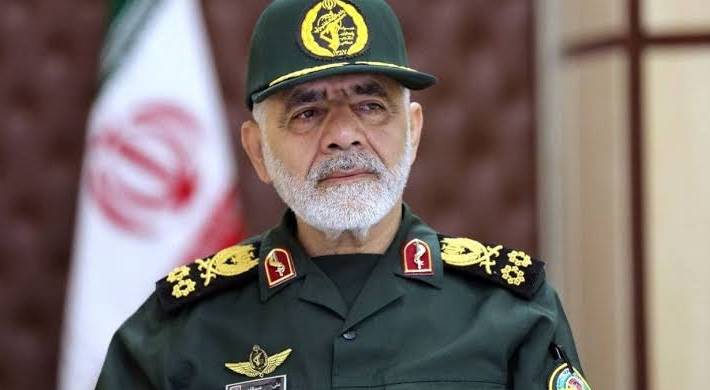
Major General Ali Abdollahi dismissed regional assurances of non-belligerence on Wednesday, challenging claims by neighboring capitals that they bear no responsibility for the American military footprint on their soil. Speaking as Chief of General Staff of the Iranian Armed Forces through the state-affiliated Mehr news agency, Abdollahi singled out the heavy concentration of United States aerial refueling tankers stationed at airfields across the southern shore of the Persian Gulf, warning that such logistics infrastructure makes host governments active belligerents in the ongoing conflict.
The warning arrives as the broader confrontation — which erupted on February 28 following joint Israeli-American airstrikes against the Islamic Republic and drew swift retaliatory missile and drone attacks from Tehran against U.S. Bases and regional targets — enters a volatile new phase. While nations such as Bahrain, Kuwait, Qatar, Oman, and the United Arab Emirates have repeatedly issued official declarations barring Washington from utilizing local territory for offensive operations against Iran, Tehran's military leadership insists that intelligence monitoring tells a different story, according to reporting by Yeni Şafak.
Related YouTube video

"The countries bordering the Persian Gulf, which have issued various statements saying they would not allow the United States to use their territory against Iran, should know that we are fully aware of the situation," Abdollahi stated, as cited by Roya News. He added that the presence of such a vast array of military aircraft, especially refueling tankers essential for maintaining sustained air operations, cannot persist without the explicit knowledge and facilitation of host nations.
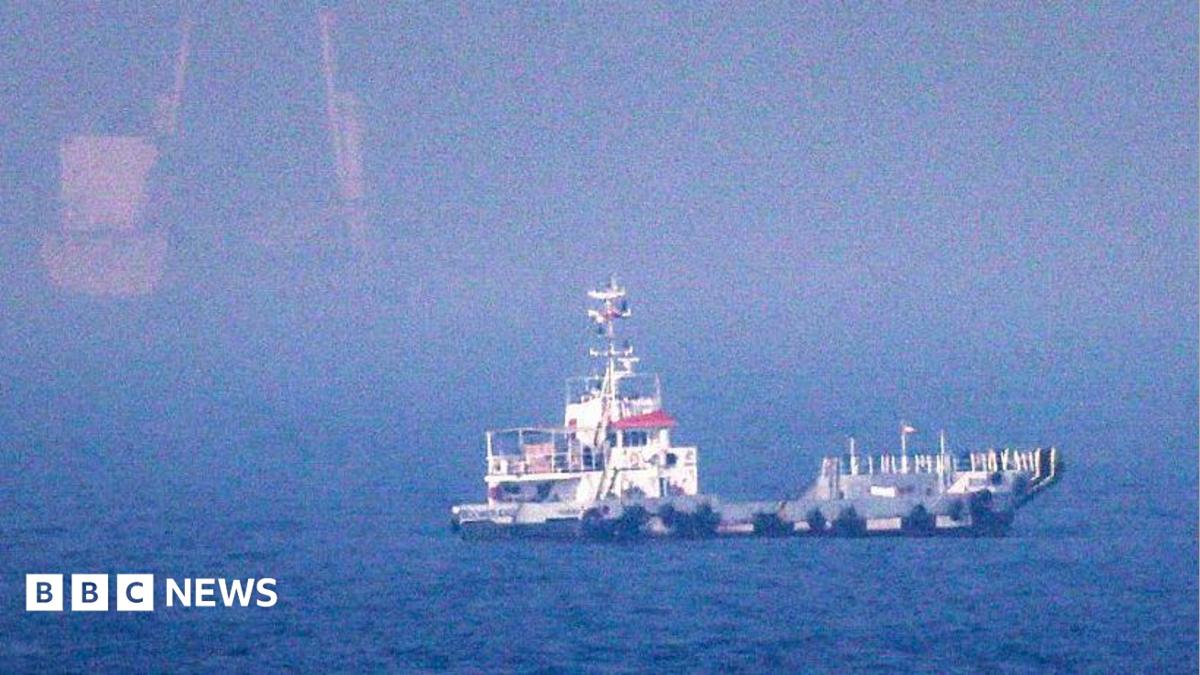
Friction along the maritime and diplomatic borders has escalated sharply alongside these threats. Just hours before the military warning, the United Arab Emirates announced a total suspension of economic dealings with Iran, halting all trade, commercial exchanges, and financial transactions until further notice, according to Channel NewsAsia. Afra Al Hameli, the communications director for the UAE foreign ministry, confirmed the measures following an incident in which Abu Dhabi accused Iran of firing two ballistic missiles toward its waters. Although officials later clarified that the salvo targeted shipping rather than land targets, with both missiles landing in the sea, including one inside territorial waters, Iranian foreign ministry spokesman Esmaeil Baqaei categorically rejected the accusation.
The economic breach compounds a steady diplomatic unravelling that began early in the conflict when the UAE recalled its ambassador and shuttered Iran-linked schools and a hospital. Tankers operated by ADNOC, the UAE's state-owned oil company, have faced repeated attacks in recent weeks, leaving commercial shipping lanes severely exposed. Although media reports have suggested that Saudi Arabia, the UAE, Kuwait, and Bahrain have all struck targets inside Iran in retaliation, those governments have largely denied direct involvement.
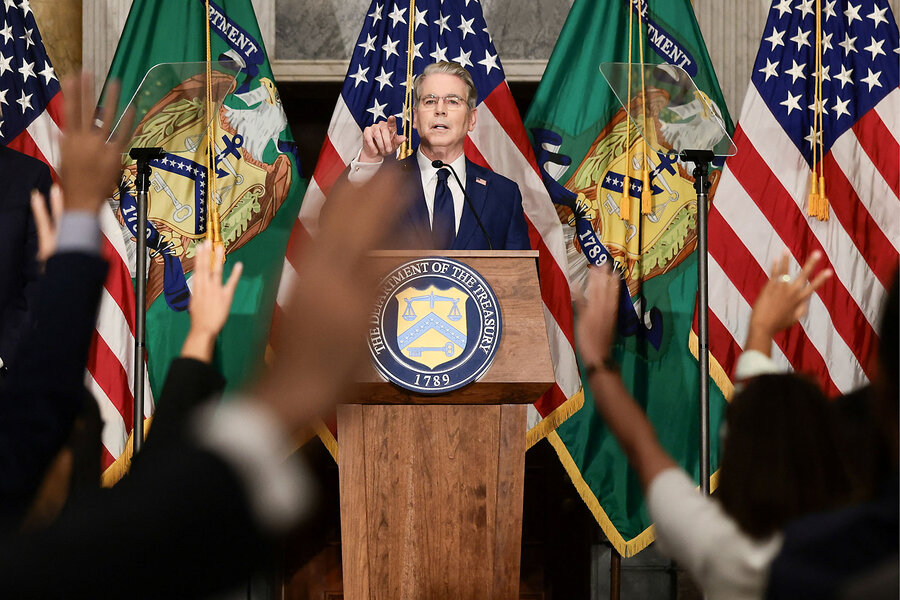
Diplomatic channels meanwhile present a picture of complete contradiction between Washington and regional capitals. Jared Kushner, acting as a U.S. Envoy, asserted on Monday that Washington and Tehran were engaged in active and positive conversations aimed at diffusing tensions. President Donald Trump flatly contradicted that assessment on Tuesday via social media, insisting that no talks were scheduled or underway, taunting Tehran by depicting the contested Strait of Hormuz as a new U.S. Territory, and maintaining that a U.S. Naval counter-blockade remains in full force and effect.
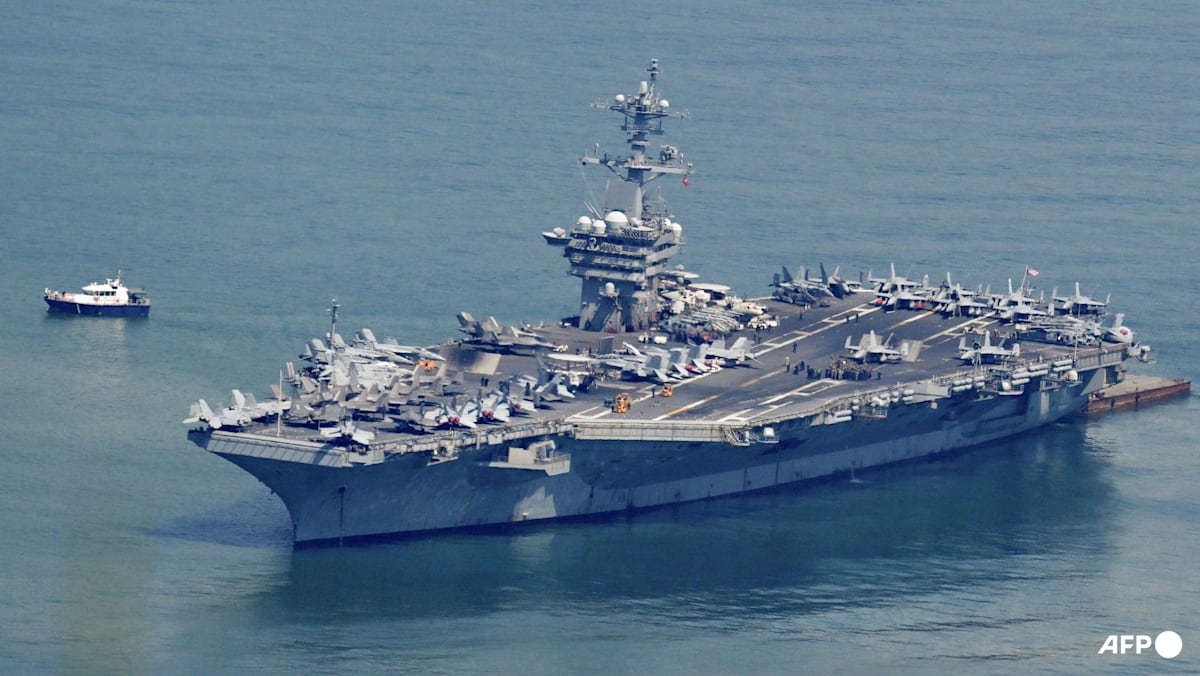
Military mechanics on the ground underscore the friction. Sustained air operations require an intricate web of tanker aircraft to keep combat jets aloft across long distances, turning ordinary Gulf airfields into indispensable nodes for the Pentagon. The USS George Washington aircraft carrier is being redeployed to the Middle East to relieve the USS Abraham Lincoln following reports of deteriorating living conditions for its crew.
With commercial shipping under persistent threat, diplomatic avenues deadlocked, and Iranian armed forces actively monitoring base operations, the immediate trajectory of the conflict rests on the operational posture of the incoming carrier strike group and the enforcement of the active naval blockade.
Monitoring Regional Movements and Naval Redployment
According to reporting from Yeni Şafak, Major General Ali Abdollahi used a social media platform on Wednesday to warn that Tehran maintains constant oversight of all regional airfields. He stressed via Roya News that the presence of numerous refueling aircraft required to sustain American combat operations cannot be concealed behind public declarations of neutrality. Channel NewsAsia further noted that the confrontation continues to strain military assets across the theater, prompting the ongoing naval redeployment of the USS George Washington to relieve the USS Abraham Lincoln.
- February 28: Outbreak of the regional war following joint Israeli-American strikes against Iran, leading to retaliatory missile and drone attacks.
- Tuesday: The United Arab Emirates announces a complete suspension of economic dealings with Iran, halting trade, commercial exchanges, and financial transactions.
- Wednesday: Major General Ali Abdollahi issues a formal military warning on behalf of the Iranian Armed Forces against aiding U.S. Forces.
As diplomatic channels remain divided over whether bilateral talks are actually occurring between Washington and Tehran, observers and regional actors must closely monitor the operational posture of incoming naval strike groups and the enforcement of active maritime blockades. Observers will need to evaluate official statements from both American and Iranian officials as the next step in gauging whether hostilities will further escalate or give way to diplomatic resolution, according to Cryptobriefing.
How significant is this development?
Contribute your assessment to the aggregated reader intelligence ledger.
Archypedia is dedicated to independent, evidence-backed reporting. This briefing was synthesized from primary source reporting, corroborated across independent newsrooms, and verified against our Editorial Standards.
Transparency record
Evidence behind this report
This report synthesizes 5 distinct sources. Open the source ledger below to compare the underlying coverage.
Prepared under the Archypedia Editorial Policy by the Samir Haddad editorial desk profile. AI-assisted tools may support drafting and verification; public accountability remains with Archypedia. Report an error.