US unveils sanctions to sever Iran from global financial system
Treasury Secretary Scott Bessent has initiated a financial assault targeting sectors including gold, digital assets, and shipping to sever Iran from the global economy.
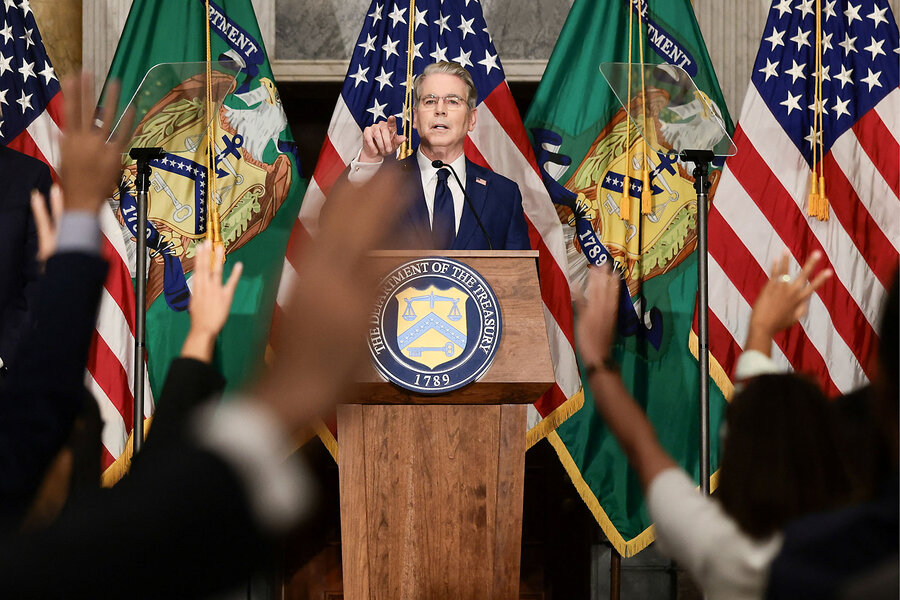
Treasury Secretary Scott Bessent has framed the launch of Operation Economic Outcast
as an economic D-Day
, an all-out financial assault designed to sever Iran from the global economy. While Washington describes the offensive as the single greatest financial offensive ever marshalled against an adversary
, the immediate effect on the ground is visible in the currency markets: the Iranian rial hit a record low of 2 million per dollar on the black market on 24 August 2026.
The campaign follows a six-month stalemate that began after US and Israeli attacks killed Supreme Leader Ali Khamenei. Early hopes that the regime would collapse or abandon uranium enrichment were dashed as hardliners tightened their grip on power. This political impasse evolved into a maritime conflict when Iran declared the Strait of Hormuz closed and attacked ships, prompting President Donald Trump to impose a counter-blockade on Iranian oil exports.
Related YouTube video
Operation Economic Outcast seeks to move beyond traditional oil and banking restrictions by targeting five specific sectors that allow Tehran to sustain its government and move value internationally:
- Digital assets and gold, which provide alternative methods for storing and transferring value outside traditional banks.
- Technology, aviation, and shipping, which facilitate the movement of essential goods and personnel.
The central mechanism of the operation is the threat of secondary sanctions. Under this framework, any foreign entity or government found to be a financial artery
for the Iranian regime can be cut off from the US dollar system. Treasury Secretary Bessent stated that the US has identified violators and is providing a cure period
— a deadline to cease interactions with Tehran before penalties are applied.
The strategy is a gamble on the cooperation of major global economies. The United Arab Emirates has already suspended all trade, commercial exchanges, and financial transactions with Iran as of 18 August, citing a commitment to the international financial system. However, the US faces a much steeper challenge with China, which the U.S.-China Economic and Security Review Commission identifies as the buyer of more than 90% of Iran's oil exports, paying roughly $31.2 billion for unreported crude in 2025.
When asked if China would be targeted, Bessent responded, no one is above the reach of US sanctions
, but he declined to name specific targets or confirm if President Trump had spoken with Chinese leader Xi Jinping. China's embassy in Washington has already signaled resistance, stating that sanctions and pressure do not help resolve the problem
.
The human cost of this isolation falls heavily on the Iranian population. While the official Central Bank rate stands at approximately 1.5 million rial to the dollar, the black market collapse reflects deepening shortages. According to the Observatory for Economic Complexity, Iran relies on the UAE as a reexport hub and China for vehicle spare parts, while Turkey and Brazil are critical for pharmaceutical and agricultural imports.
Analysts are divided on whether this "zero-leakage" approach can force a surrender. Ludovic Hood, a senior fellow at the Hudson Institute, argues the regime is currently as vulnerable and brittle as it’s ever been
due to skyrocketing inflation and popular discontent. Conversely, Ali Vaez of the International Crisis Group suggests the US has maxed itself out of leverage
, noting that authoritarian regimes often transfer the pain of economic strangulation to their citizens rather than folding under pressure.
"The problem we have today is that we are not trying to hurt them to get to a deal the Iranians could accept,"
Richard Nephew, former deputy special envoy for Iran, via CS Monitor
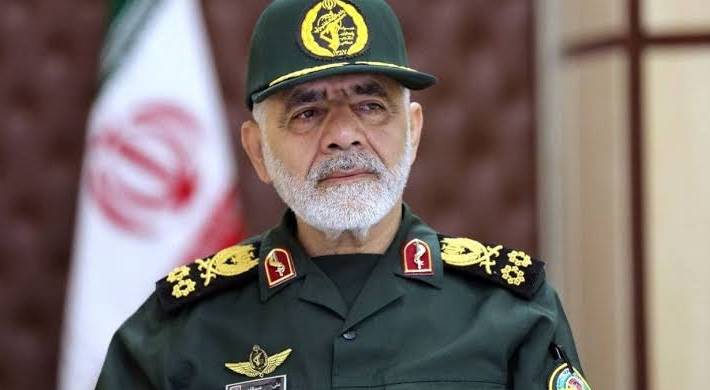
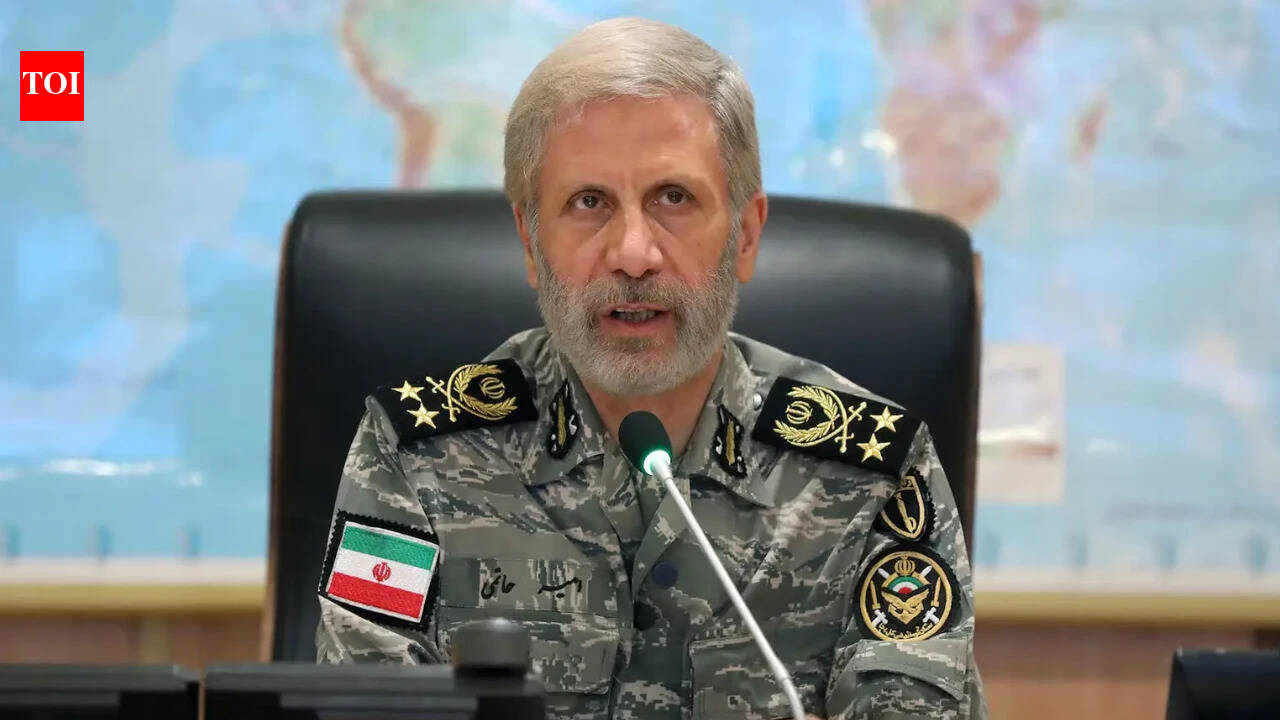
Tehran has responded with defiance. Foreign Minister Abbas Araghchi characterized the measures as repackaged tactics that the country has already learned to withstand. Major General Ali Abdollahi, the armed forces’ chief of staff, warned that retaliation could include cyber-attacks or land, sea, and air operations. Meanwhile, US Defense Secretary Pete Hegseth stated that kinetic strikes
in the Strait of Hormuz remain an option.
The efficacy of the operation now rests on whether the US is willing to risk global market instability — and potentially a clash with Beijing, before the November midterm elections. The immediate trigger for this tension will be the meeting between President Trump and Xi Jinping in Washington next month.
Escalation of Financial Warfare
The current offensive is an attempt to close loopholes that Tehran has exploited for years through alternative payment networks and front companies. According to the Treasury Department, the US has already sanctioned more than 1,000 Iran-related entities during President Trump's second term. In the latest round accompanying Operation Economic Outcast, Reuters reports that the Treasury Department named 60 individuals, entities and vessels.
This strategy represents a return to economic coercion used by previous administrations. While sanctions were used to bring Iran to the table for a 2015 nuclear deal, Republicans criticized that agreement as weak, and a subsequent "maximum pressure" campaign during Trump's first term failed to secure a new deal. According to the L.A. Times, the current shift toward financial warfare signals to Tehran that the fighting phase of the conflict is likely over for now.
The potential for global instability is high, as the US targets partners that comprise nearly three-quarters of Iran's foreign imports. The L.A. Times notes that the fallout could extend to domestic US markets, compounding Trump's troubles ahead of the November midterm elections as voters express unhappiness with the economy and the Middle East conflict. Additionally, the administration is simultaneously managing a trade dispute with Canada, where 50% tariffs on various imports took effect over the weekend.
Despite these pressures, Iranian Central Bank governor Abdolnaser Hemmati told Tasnim News that the bank has spent months shoring up foreign currency reserves, though he admitted crude exports have virtually stopped
. For the US, the next step in this diplomatic gamble is the planned meeting in Washington next month between President Trump and Xi Jinping.
How significant is this development?
Contribute your assessment to the aggregated reader intelligence ledger.
Archypedia is dedicated to independent, evidence-backed reporting. This briefing was synthesized from primary source reporting, corroborated across independent newsrooms, and verified against our Editorial Standards.
Transparency record
Evidence behind this report
This report synthesizes 4 distinct sources. Open the source ledger below to compare the underlying coverage.
Prepared under the Archypedia Editorial Policy by the Samir Haddad editorial desk profile. AI-assisted tools may support drafting and verification; public accountability remains with Archypedia. Report an error.