Iran warns Gulf states against aiding US forces
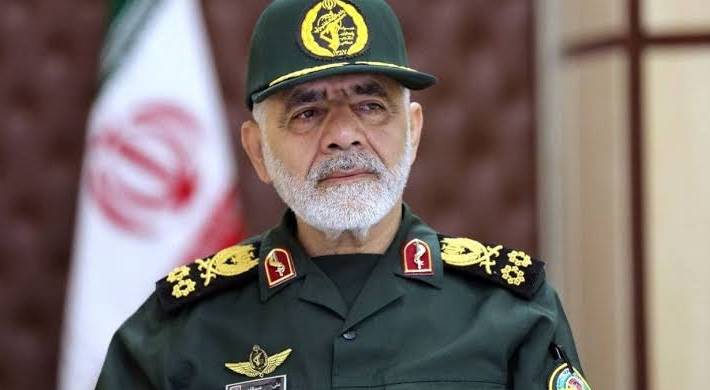
Major General Ali Abdollahi dismissed Gulf neutrality claims, arguing that hosting US military logistics infrastructure makes regional governments active participants in the ongoing conflict.
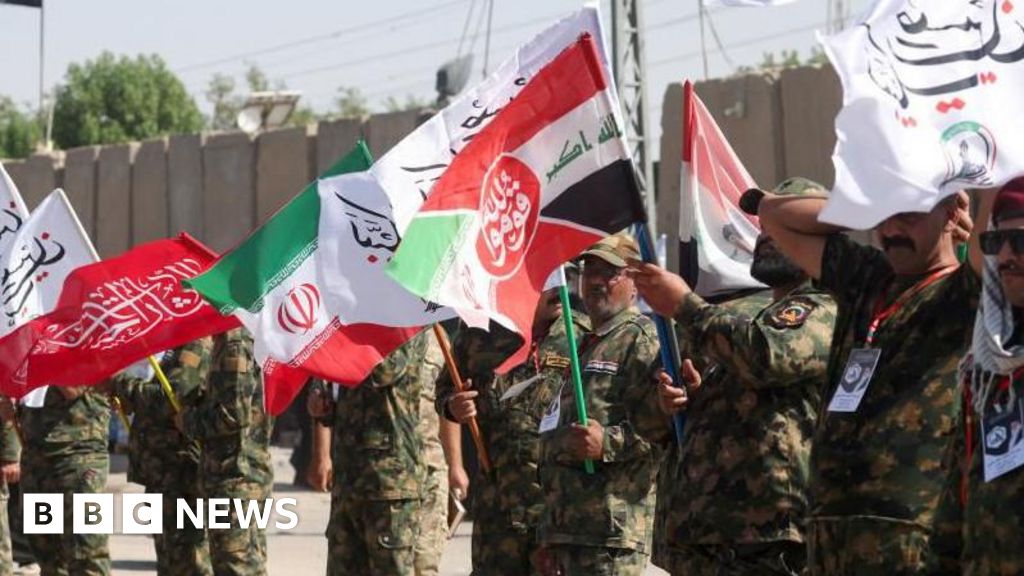
Military hostilities between the US and Iran have surged, resulting in a collapsed ceasefire and the closure of the Strait of Hormuz to tanker traffic. Both nations are engaged in retaliatory strikes that have significantly impacted global oil prices and regional security.
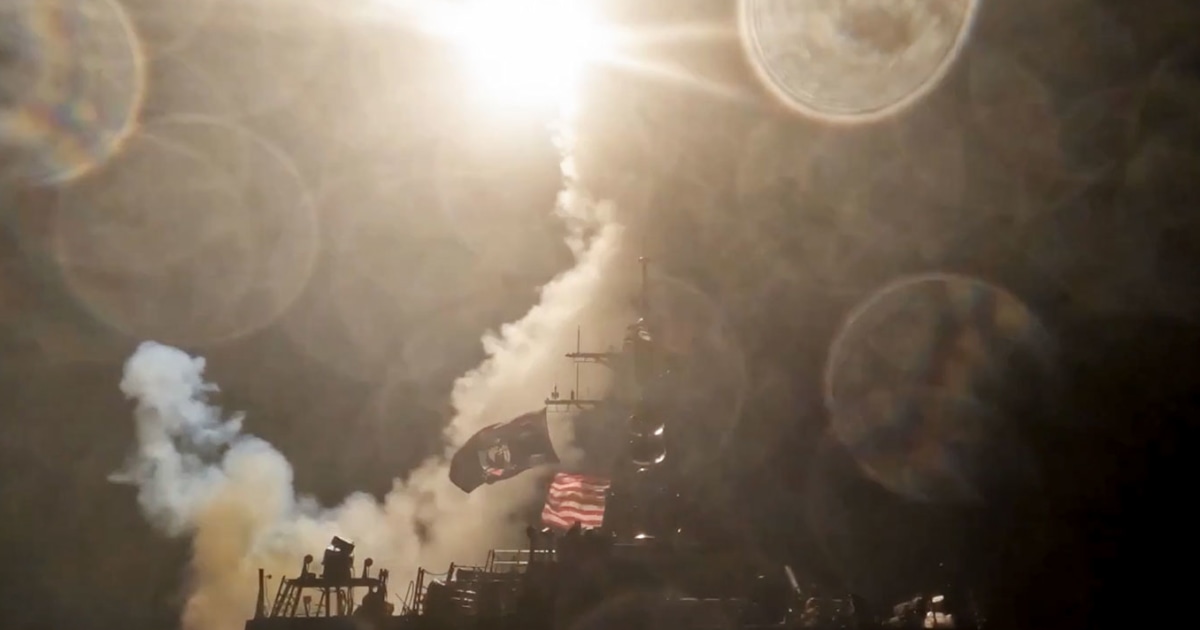
U.S. forces have intensified an aerial campaign against Iranian military logistics and infrastructure to influence control over the Strait of Hormuz. In response, Iran has launched retaliatory strikes on regional assets, further destabilizing global energy markets.
U.S. airstrikes continue to target Iranian logistics and military sites as the conflict over the Strait of Hormuz triggers regional retaliatory attacks.
The United States has rejected Iranian allegations that its military campaign has targeted civilian infrastructure as regional fighting intensifies.
American forces intensified their campaign by hitting targets near Tehran and disabling an oil tanker, while Iran retaliated with strikes on neighboring countries.
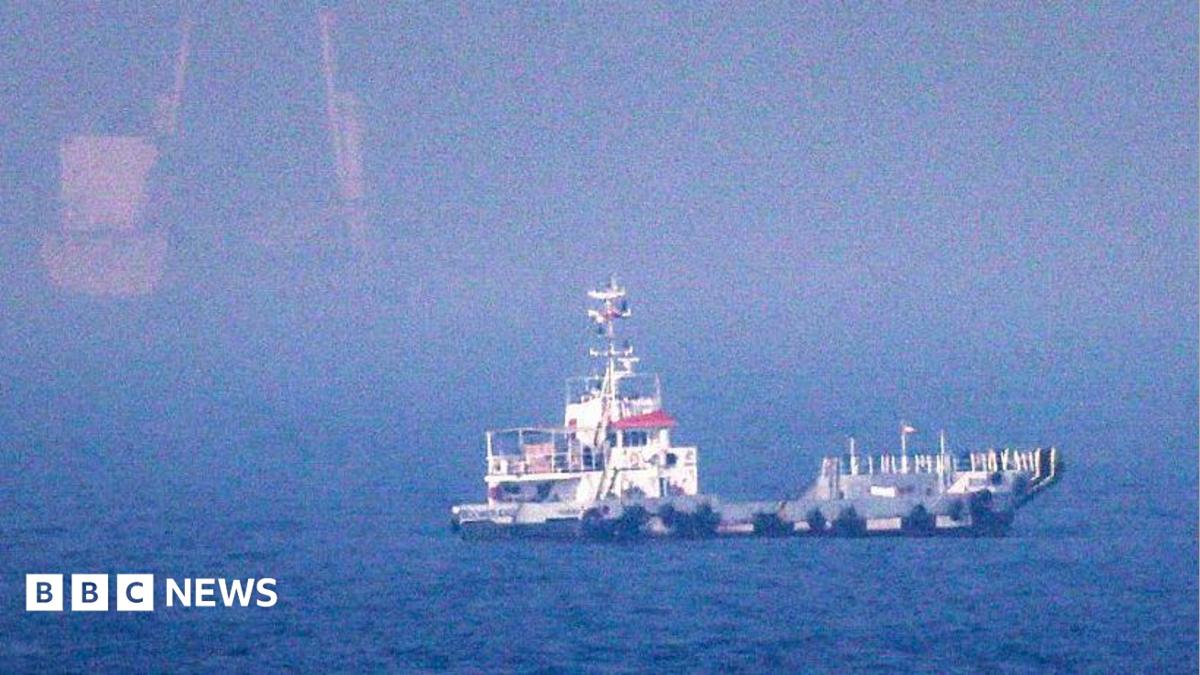
Hostilities in the Strait of Hormuz have intensified following attacks on two tankers and the US military's strikes on coastal defense and missile sites. The conflict has caused global oil prices to rise as the US declares a blockade on Iranian ports and proposes a security toll.
U.S. airstrikes against Iranian military sites have triggered retaliatory attacks on U.S. installations in Bahrain and Kuwait, escalating regional conflict.