Serbian President Aleksandar Vucic to resign within weeks ahead of election
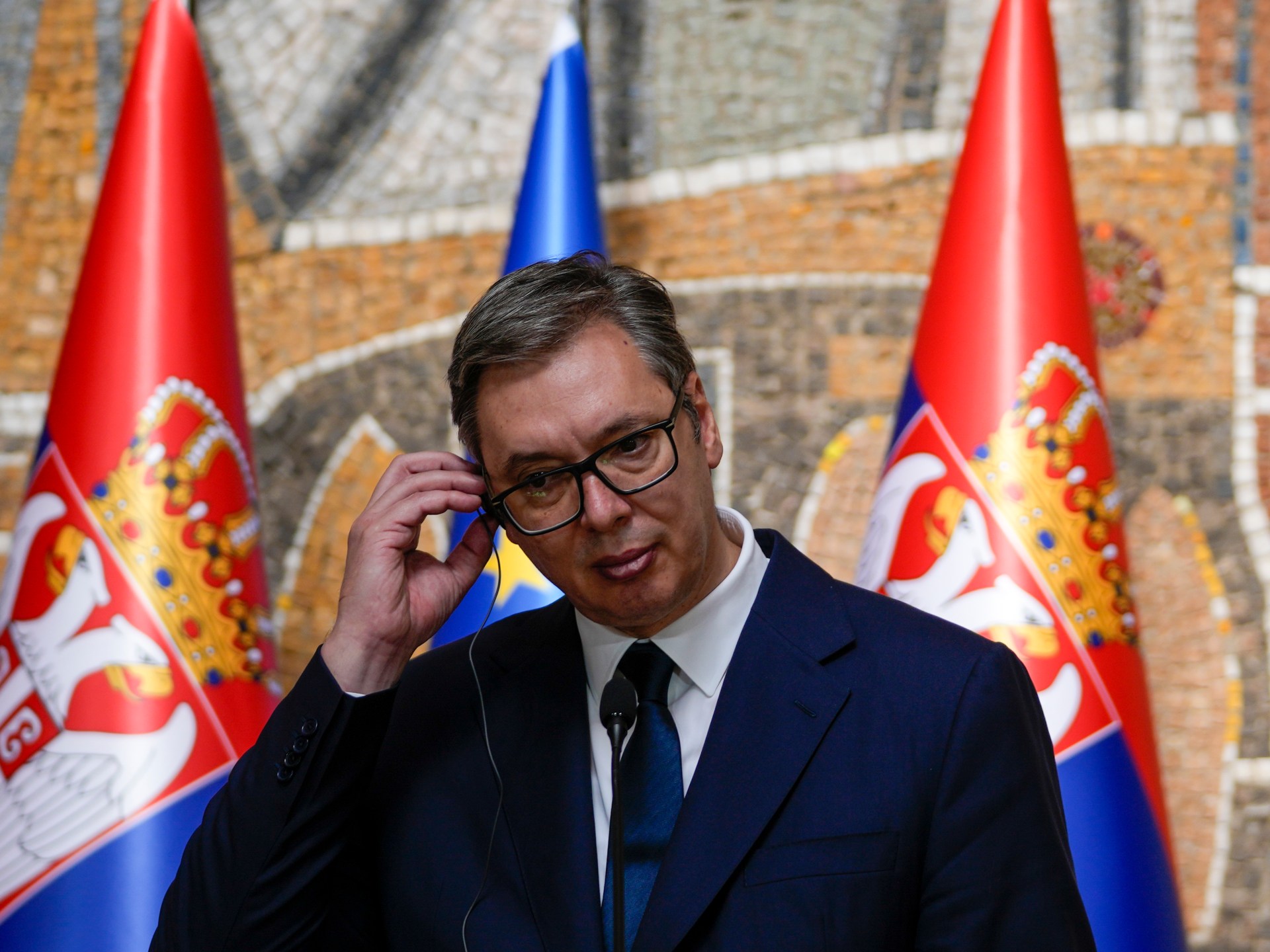
Serbian President Aleksandar Vucic has announced his intention to resign within weeks, a move widely viewed as a strategy to pivot toward the premiership.

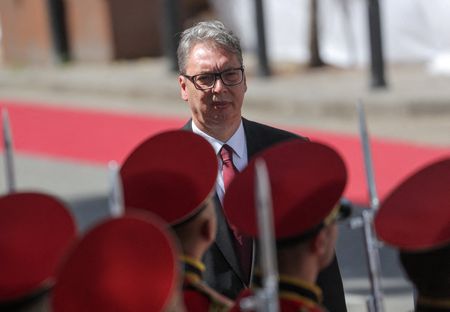
Serbian President Aleksandar Vucic announced on Saturday, 27 June 2026, that he intends to resign from office within weeks. The declaration, delivered to a large gathering of supporters in central Belgrade, signals a significant shift in the nation’s political trajectory, potentially setting the stage for snap presidential and parliamentary elections well ahead of their original 2027 schedule. While the presidency in Serbia is largely a ceremonial role, Vucic has functioned as the country's dominant political force for over a decade. His departure from the head of state position is widely interpreted by observers not as a withdrawal from politics, but as a strategic maneuver to pivot toward the role of prime minister, a position he held between 2014 and 2017.
The announcement follows a sustained wave of anti-government protests that have gripped the country for the past 18 months. The unrest was initially triggered by a disaster in the northern city of Novi Sad on 1 November 2024, when a railway station canopy collapsed, killing 16 people. The tragedy galvanized a student-led movement that has since expanded into a nationwide campaign, with demonstrators and opposition figures alleging that the collapse was the direct result of corruption and systemic mismanagement within state-funded infrastructure projects.
Related media

Opposition leaders view the president's sudden decision as a defensive measure. Savo Manojlovic, head of the student-led Move-Change Movement, stated:
"By resigning and with early presidential and parliamentary elections, Vucic is trying to preempt his inevitable fall, because of protests and because of the student movement, which has more support than he does."
While Vucic has promised to help his party, the Serbian Progressive Party (SNS), secure a victory, the political landscape remains contentious. During the rally, Vucic claimed that the student-led movement was influenced by foreign actors seeking to destabilize the nation, though he provided no evidence to support these allegations. Protesters have rejected these claims, instead pointing to long-standing grievances regarding media restrictions, alleged ties to organized crime, and democratic backsliding—concerns that have also drawn criticism from the European Union.
The political transition comes at a delicate time for Serbia. As a candidate for European Union membership, the country faces pressure to align its foreign policy with the bloc, particularly regarding sanctions on Russia, while simultaneously maintaining deep economic and historical ties with Moscow and Beijing. Vucic has signaled that a new coalition, which he proposes naming "United Serbia," would continue to pursue EU integration while maintaining these "traditional" partnerships.
Despite the announcement, significant questions remain regarding the formal mechanics of the transition. Vucic has not yet provided a specific date for his resignation or a firm timeline for when he will move to dissolve parliament, which serves as a necessary precondition for snap elections. Analysts note that the president’s influence remains deeply entrenched within the state apparatus.
What to Watch Next
- Election Date: While Vucic has confirmed he will seek a mandate in upcoming elections, he has yet to announce when the vote will take place.
- Government Dissolution: Parliament must be dissolved before early elections can proceed, a move the president has not yet formally initiated.
- Opposition Organizing: Students and opposition groups, emboldened by the prospect of early polls, are continuing their demonstrations. A rally is scheduled for Sunday in the town of Kraljevo.
- Succession Strategy: Political analysts, including Warsaw-based researcher Radivoje Grujic, expect Vucic to attempt to install a loyal ally in the presidency to ensure he maintains control over the levers of government as he pivots toward a potential return to the premiership.
As the political climate in Belgrade remains charged, the ruling SNS is preparing to consolidate its position. Having been in power for 14 years, the party faces its most significant challenge from the youth-led movement that has successfully mobilized tens of thousands of citizens across the country. Whether this resignation leads to a genuine change in governance or a reconfiguration of existing power structures remains the central question for the Balkan nation as it heads toward an unscheduled electoral cycle.
How significant is this development?
Contribute your assessment to the aggregated reader intelligence ledger.
Archypedia is dedicated to independent, evidence-backed reporting. This briefing was synthesized from primary source reporting, corroborated across independent newsrooms, and verified against our Editorial Standards.
Transparency record
Evidence behind this report
This report synthesizes 11 distinct sources. Open the source ledger below to compare the underlying coverage.
- apnews.com
- yahoo.com
- scmp.com
- aljazeera.com
- latimes.com
- ukrainetoday.org
- srnnews.com
- kyivindependent.com
- swedenherald.com
- rferl.org
- illawarramercury.com.au
Prepared under the Archypedia Editorial Policy by the Samir Haddad editorial desk profile. AI-assisted tools may support drafting and verification; public accountability remains with Archypedia. Report an error.