Rome launches smart bracelet scheme to protect elderly during heatwaves
Rome is deploying wearable health technology to monitor the vital signs and physical activity of elderly residents to protect them from extreme heatwaves.
As Europe grapples with a series of extreme weather events, Rome has implemented a specialized digital health initiative to safeguard its elderly population. The municipality has launched a support scheme providing electronic bracelets that monitor vital signs and physical activity, aiming to provide a safety net for those most vulnerable to the current deadly heatwave, where temperatures have climbed into the upper 30s degrees Celsius.
The device, worn like a watch, tracks heart rate and sleep patterns while utilizing motion sensors to detect accidental falls. It is a central component of a €400 million support scheme funded by the European Union following the COVID-19 pandemic. Currently, the program reaches approximately 700 individuals, many of whom live alone. According to Piera Pomente, a clinical psychologist who coordinates a support desk at a local pharmacy, the technology is essential because extreme heat often causes blood pressure drops and lower heart rates in older adults.
Related media
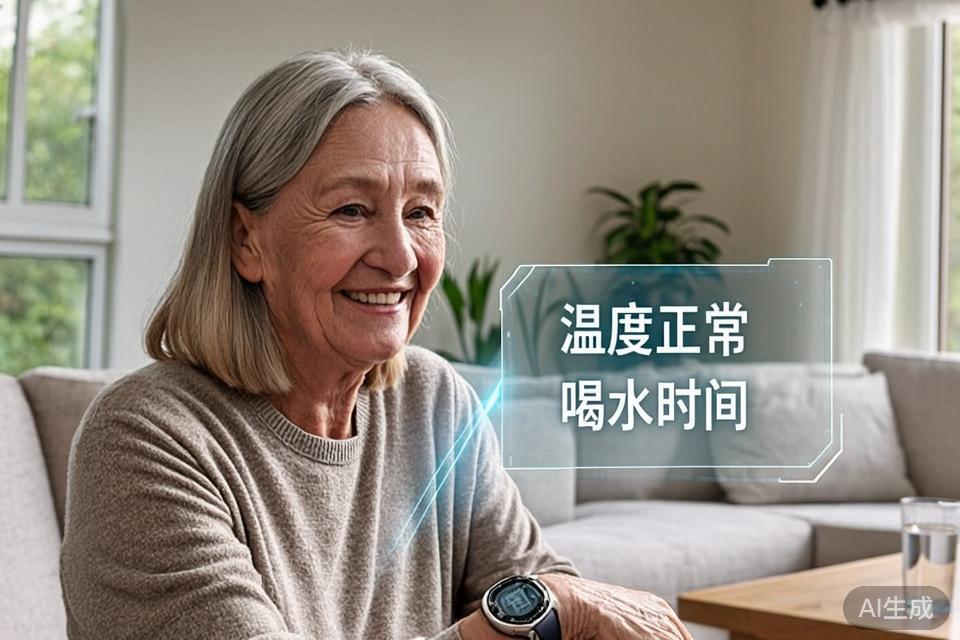


The system operates through a combination of automated monitoring and human outreach. While the bracelets track data, a team of social workers manages the program from Monday to Friday, between 8:30 a.m. And 7 p.m. These workers conduct daily phone calls to ensure subscribers are taking their medications, coping with the heat, or just offer them a friendly ear if they feel bored or lonely. Outside of these hours, and on weekends, notifications from the devices are sent directly to relatives via a mobile application. For beneficiaries like 85-year-old Dina Gazzella, the bracelet provides a necessary sense of security. "If I feel unwell, this is a lifesaver," she reported, noting that the device beeps to alert others if she falls when no one else is around to assist.
Despite the program's utility, the integration of digital health tools remains a point of debate regarding privacy and accessibility. Some residents have expressed concerns about constant surveillance, leading to a drop in retention for some participants. Pomente emphasized that the system does not use cameras or monitor private domestic activities, clarifying that the focus remains on health and emergency response. This hesitation reflects broader trends identified by experts, who note that many elderly citizens are not digitally connected and often miss standard heat alerts delivered via social media or weather apps.
The necessity for such targeted interventions is underscored by the current climate context. According to reports from the Copernicus Climate Change Service, Europe is warming at a rate twice the global average. Recent health data indicates that heatwaves are becoming more frequent and intense, with the summer of 2022 witnessing more than 60,000 heat-related deaths across the continent. While many countries have established heat-health action plans, assessments suggest that only about half of European nations maintain operational frameworks that include real-Time health surveillance or targeted communication for high-risk populations.
Digital health advocates, including researchers at the University of Porto, argue that the integration of wearables into public health policy is a necessary evolution. While traditional methods like telephone hotlines remain in use in countries such as Germany, Belgium, and Romania, there is a growing consensus that systems must become more dynamic to adapt to the physiological strain heatwaves place on those with pre-existing conditions, including cardiovascular or renal diseases.
As the current heatwave progresses, authorities across Europe are maintaining high-level alerts. In Italy, the health ministry continues to update the number of cities under red-level warnings, with residents encouraged to check on elderly neighbors and limit outdoor activity during the hottest parts of the day. The future success of initiatives like Rome's bracelet scheme may depend on the ability of health providers to build trust with users while demonstrating that digital tools can offer both protection and personal independence during increasingly hazardous summers.
How significant is this development?
Contribute your assessment to the aggregated reader intelligence ledger.
Archypedia is dedicated to independent, evidence-backed reporting. This briefing was synthesized from primary source reporting, corroborated across independent newsrooms, and verified against our Editorial Standards.
Transparency record
Evidence behind this report
This report synthesizes 8 distinct sources. Open the source ledger below to compare the underlying coverage.
- pmc.ncbi.nlm.nih.gov
- yahoo.com
- thinkrace.com
- time.com
- newsbreak.com
- cnet.com
- devdiscourse.com
- expatslivinginrome.com
Prepared under the Archypedia Editorial Policy by the Lina Park editorial desk profile. AI-assisted tools may support drafting and verification; public accountability remains with Archypedia. Report an error.