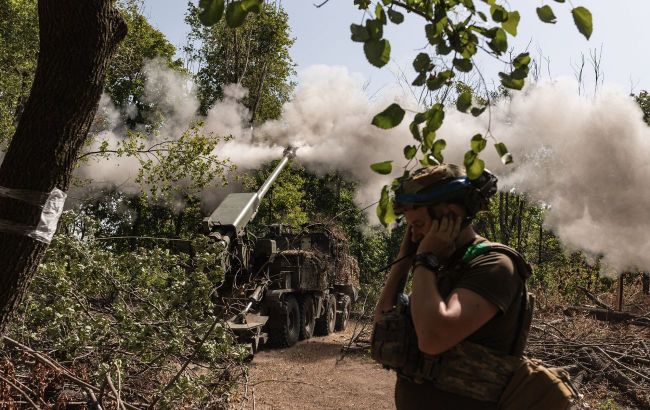
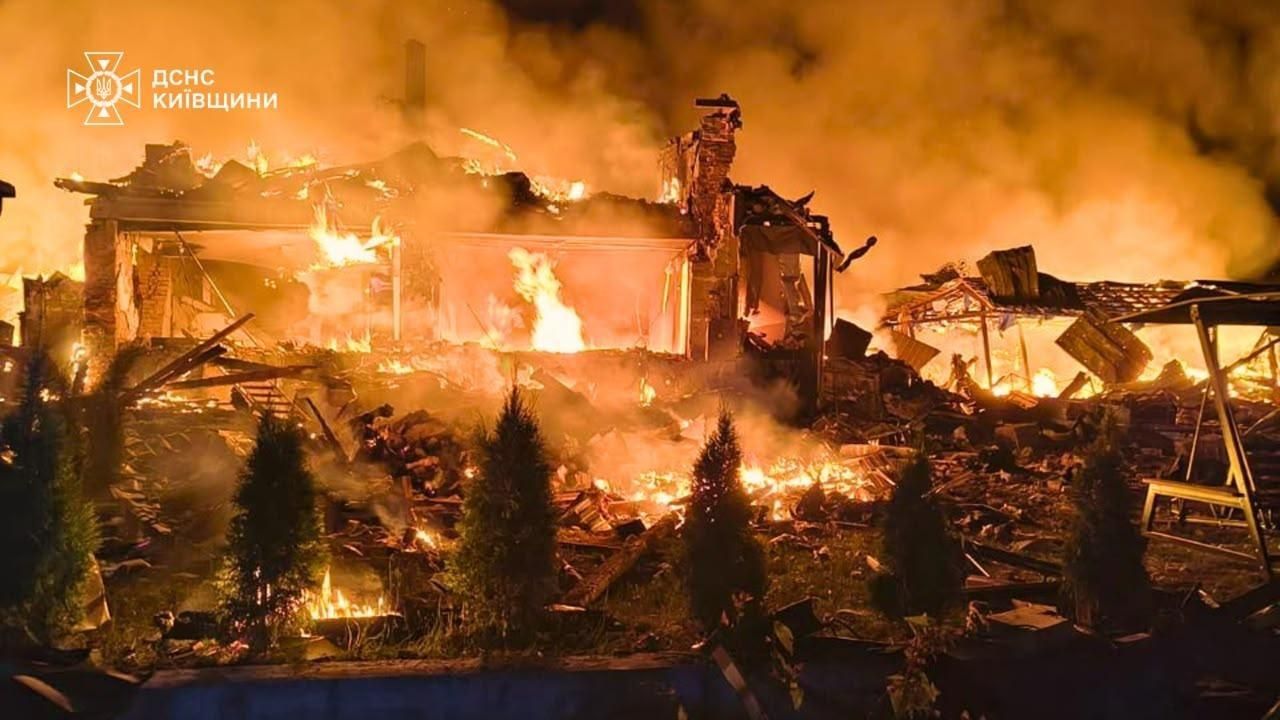
Russia Shifts Donetsk Offensive to Kostyantynivka After Slovyansk Push Stalls
Following a stalled advance on Slovyansk, Moscow has recalibrated its military efforts toward Kostyantynivka amid ongoing tactical challenges and supply strain.
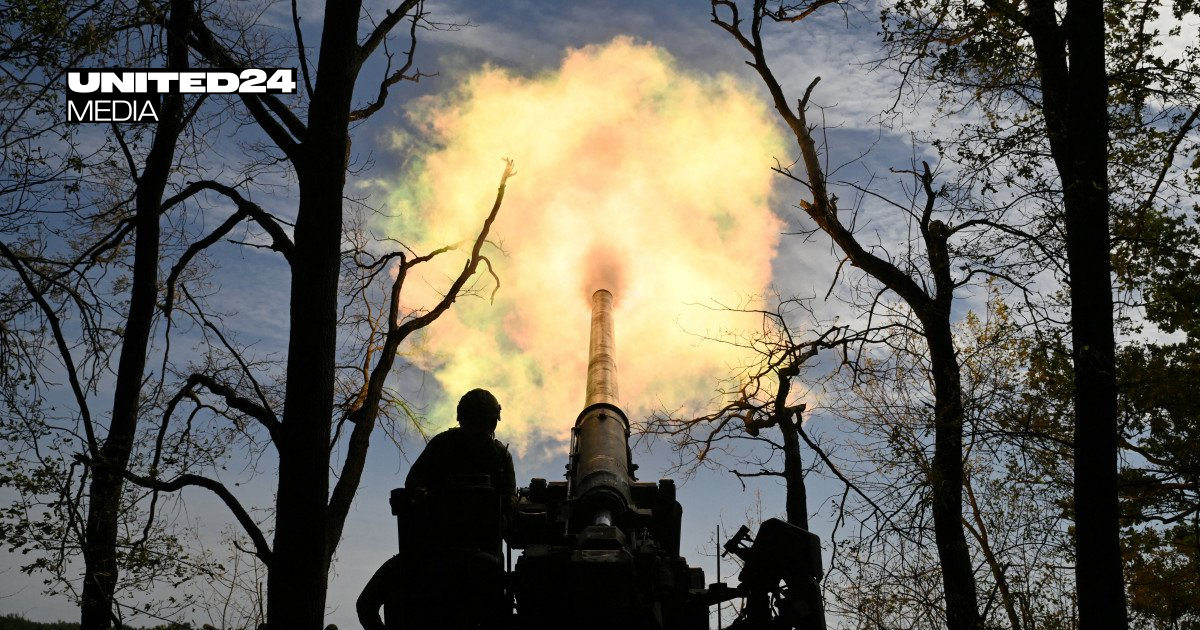
Russian forces have recalibrated their Spring-Summer 2026 offensive, centering operations on the city of Kostyantynivka after failing to secure a decisive breakthrough toward Slovyansk. This tactical pivot represents a narrowing of Moscow's military ambitions, as attempts to advance from the northeast toward Slovyansk stalled against robust defensive lines, according to reports from the Institute for the Study of War (ISW).
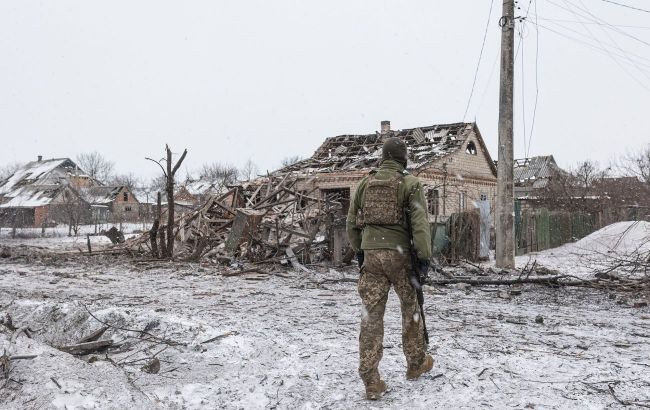
The campaign for Kostyantynivka, which has intensified since the winter of 2026, now serves as the primary effort for Russian forces. Military observers note that while Russian units have achieved incremental gains within the city, these advances have been characterized by high costs and slow progress. Despite recent tactical maneuvers, Russian forces have not yet reached the city’s railway station, a key infrastructure objective in the area.
Related media

Operational Dynamics and Tactical Challenges
The current push involves two main tactical groupings, identified by analysts as "Bakhmut" and "Dzerzhinsk." The "Bakhmut" group, primarily composed of elements from the 3rd Army Corps, has attempted to advance from Stupochky toward the city's northeast. Simultaneously, the "Dzerzhinsk" group, operating within the 8th Combined Arms Army's zone, has pushed from Illinivka. Despite a perceived tactical breakthrough in the western-central portion of the city, forward elements of these groups remain separated by roughly two kilometers.
Combat conditions have shifted as both sides utilize summer foliage for concealment. A commander from the 1194th Motorized Rifle Regiment noted that Russian forces maintain air superiority in the sector, which has restricted the movement of Ukrainian troops. Conversely, Ukrainian units have begun reinforcing their armored vehicles with anti-drone countermeasures to mitigate the threat of ambushes along roadsides and through dense vegetation.
Broader Strategic Context
This shift to Kostyantynivka follows an unsuccessful mechanized offensive around Lyman earlier this spring. The Western Grouping of Russian Forces, according to ISW, lacks the necessary combat capability to sustain an assault on Slovyansk while simultaneously maintaining defensive and offensive commitments in the Kupyansk and Borova directions. As United24media reports, the current focus on Kostyantynivka is viewed as a costly bet unlikely to yield significant operational gains against Ukraine’s "Fortress Belt."
The battlefield situation is further complicated by a broader war of attrition. This effort, authorized as a 40-day intermediate- and long-range strike operation, targets Russian energy infrastructure, supply routes, and command nodes. Recent strikes on oil refineries, including the Nizhegorodorgsintez facility, have forced production halts and exacerbated domestic fuel shortages within Russia. Ronins Grips reports that these strikes have effectively extended the impact of the conflict deep into the Russian rear, forcing Moscow to restructure its fuel logistics under increasing economic strain.
Current Status of Key Frontline Sectors
| Direction | Status as of June 26, 2026 |
|---|---|
| Kostyantynivka | Main Russian effort; heavy urban fighting and pincer attempts. |
| Slovyansk | Stalled Russian push; shift toward usage of motorcycles and buggies. |
| Sumy | Ongoing Russian infiltration attempts; no confirmed deep consolidation. |
| Zaporizhia | Ukrainian gains reported near Kamyanske and Prymorske. |
What to Watch Next
- Refinery Recovery: Monitoring the duration of outages at major refineries like Nizhegorodorgsintez, which accounts for significant gasoline production capacity.
- Logistical Strain: Continued observation of Russian fuel supply chains following the reported export bans and regional states of emergency in Crimea.
- Frontline Adaptation: Further development of drone platforms by Russian forces and Ukraine's concurrent scaling of domestic interceptor UAVs.
- Diplomatic Signals: Any movement regarding the 2022 Istanbul Protocols, which Kremlin officials continue to invoke, despite public rejections from Western leaders like US Secretary of State Marco Rubio.
As of late June 2026, the territorial frontline remains highly fluid. While Russian forces continue their efforts in Donetsk, Ukrainian operational successes have shifted the emphasis toward long-range attrition and the neutralization of critical logistics hubs.
How significant is this development?
Contribute your assessment to the aggregated reader intelligence ledger.
Archypedia is dedicated to independent, evidence-backed reporting. This briefing was synthesized from primary source reporting, corroborated across independent newsrooms, and verified against our Editorial Standards.
Transparency record
Evidence behind this report
This report synthesizes 6 distinct sources. Open the source ledger below to compare the underlying coverage.
- understandingwar.org
- united24media.com
- linkedin.com
- blog.roninsgrips.com
- michael-hollister.com
- newsukraine.rbc.ua
Prepared under the Archypedia Editorial Policy by the Samir Haddad editorial desk profile. AI-assisted tools may support drafting and verification; public accountability remains with Archypedia. Report an error.