Central Europe records heat wave temperatures as infrastructure struggles
Extreme heat has caused highway buckles in Germany, rail travel warnings, and a surge in emergency hospital admissions across the continent. Scientists indicate this heat is linked to climate change.
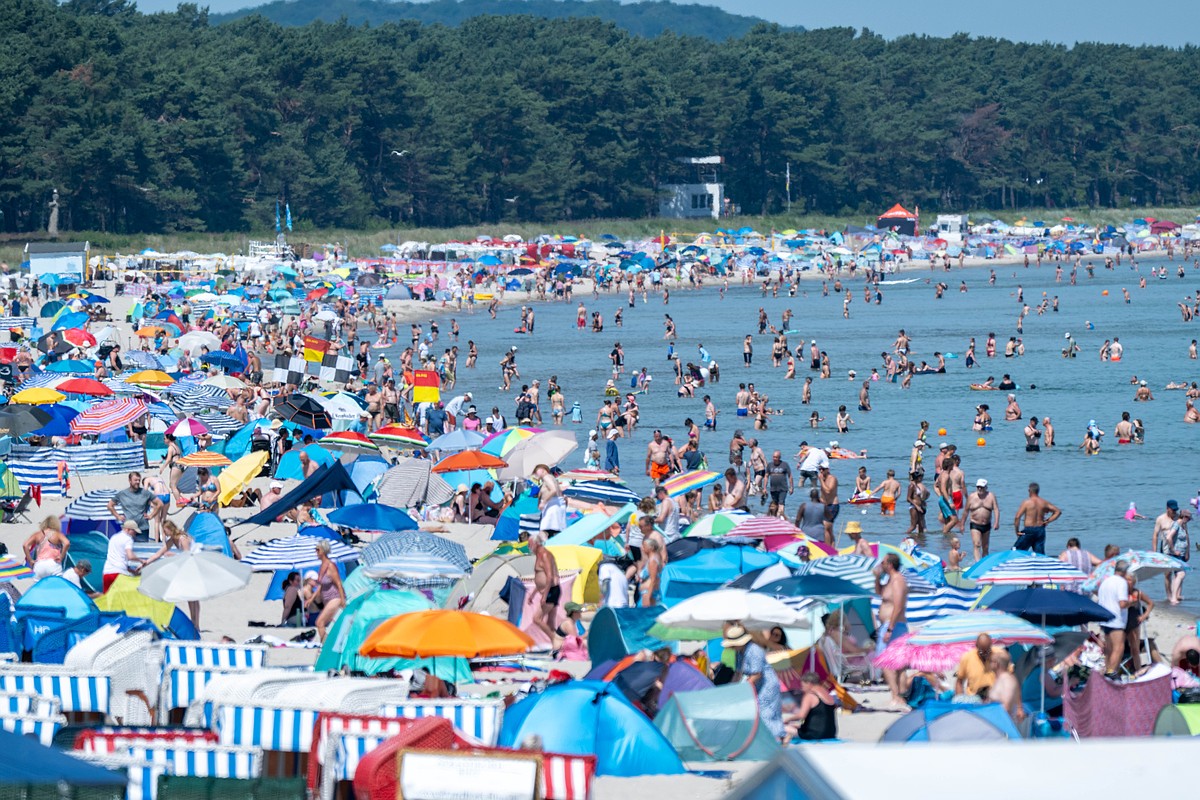
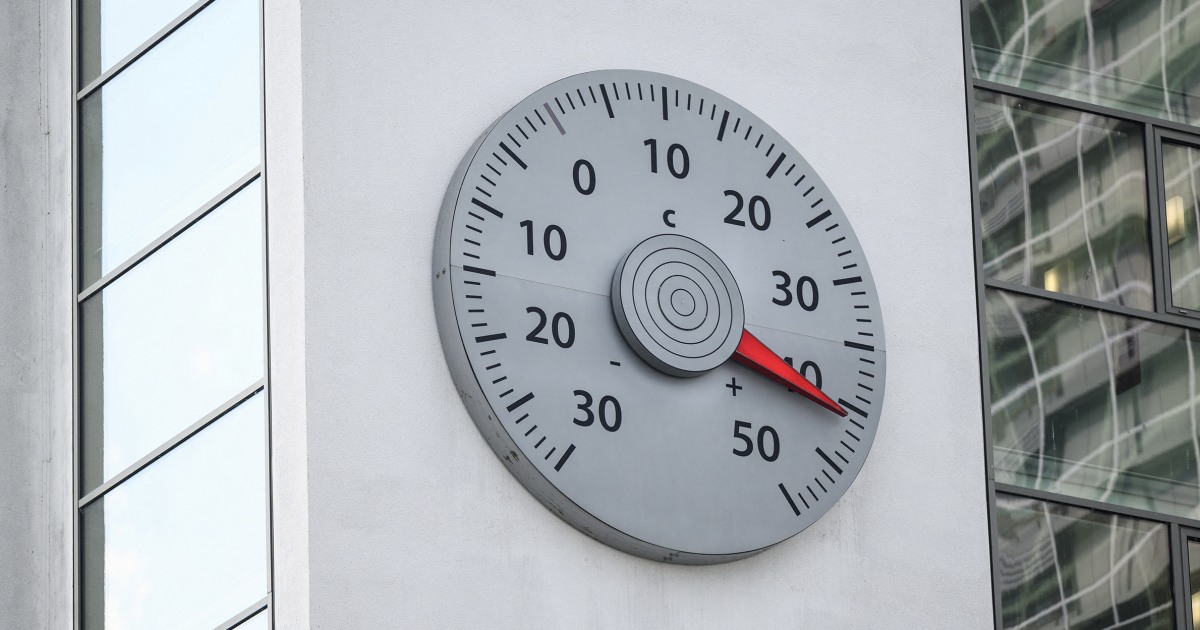
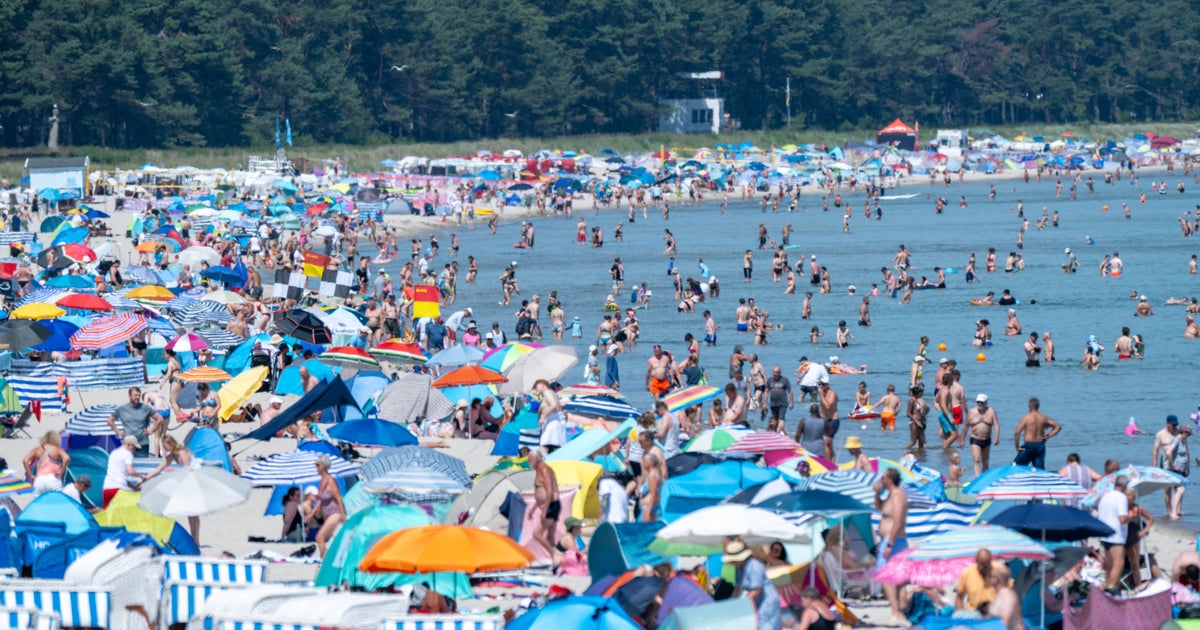
As mercury levels climbed, the impact was felt across a broad swath of the continent. Denmark experienced its warmest day since records began in 1874, with the Danish Meteorological Institute documenting 37 degrees Celsius in Ødum. Switzerland mirrored this intensity, hitting a record 38.8 C in Basel, while the Czech Republic recorded its own all-time high of 40.8 C in the northern town of Doksany. Forecasters in the Czech Republic warned that temperatures in Doksany may continue to rise.
Infrastructure under duress
The sudden transition to extreme temperatures caught much of the region’s infrastructure off-guard. In Germany, the heat-sensitive concrete of the A2 highway buckled in two separate locations outside Berlin, forcing authorities to close the motorway. Additional damage to highway surfaces was documented across the country, according to reports from the German daily Bild.
Related media

The national rail operator, Deutsche Bahn, issued an urgent advisory for the weekend as the heat intensified.
"Germany’s transportation infrastructure is being severely affected by the record-breaking heat this weekend,"
Deutsche Bahn, via NBC News
The company cautioned passengers against all nonessential rail travel during the weekend. Air conditioning is not widespread throughout Germany or many other European countries, as the continent has historically remained largely unaccustomed to such extreme heat conditions.
In the western German city of Dormagen, a local nursing home faced a crisis when indoor temperatures soared to 35 C. Fire departments conducted an emergency evacuation of the facility. A resident died overnight, though city officials stated it was not yet clear if the heat was the definitive cause of death.
Healthcare systems at capacity
France, which endured the peak of the heat wave earlier in the week, continues to grapple with the aftermath. Paris hospitals reported a second consecutive day of nearly 3,000 emergency admissions, an increase of approximately one-third above typical levels. Medical dispatch centers handled call volumes nearly 80% higher than the same period in 2025.
The Paris public hospital authority, AP-HP, activated its emergency response plan across all 38 hospitals to manage the surge. These concerns over hospital capacity prompted the cancellation of a three-day music festival and the postponement of the Paris Pride march.
Nicolas Revel, director of the Paris public hospital authority, acknowledged the severity of the situation while drawing comparisons to previous heat-related mortality events, such as the 2003 heat wave that was blamed for 15,000 deaths across France.
In the United Kingdom, where record-breaking temperatures persisted for three consecutive days, officials confirmed four heat-related deaths this week. Police recovered the bodies of a 22-year-old man and a 15-year-old boy from a river and a lake, prompting urgent warnings from authorities regarding swimming in unsupervised bodies of water. These warnings follow reports of approximately 40 heat-related deaths in France over the past week.
Climate attribution and outlook
Scientific consensus suggests the current environmental conditions are anomalous. A rapid study from the World Weather Attribution, a collaboration of scientists, indicates that the extreme heat and humidity experienced this week would have been virtually impossible five decades ago. Researchers estimate that the heat is currently 200 times more likely than it would have been 20 years ago, attributing the shift directly to climate change.
André Corrêa do Lago, president of the upcoming COP30 climate talks, noted that the crisis has sharpened the focus of international policy.
"The fact that we are living with this amazing heat in London is a strong argument, we need to agree, that we have to take action as soon as possible,"
André Corrêa do Lago, COP30 president, via AP News
Status of European capitals
| Location | Alert Status |
|---|---|
| Paris, France | Extreme-heat red zone |
| Italian Cities (18 total) | Red alert |
| Southeast England | Amber warning |
Authorities in Italy are maintaining red alerts across 18 major cities, including Venice, Florence, Bologna, and Milan, as tourists and residents seek respite in public fountains and shade-heavy architecture.
What to watch next:
- Weather services in the Czech Republic suggest temperatures in Doksany may continue to rise despite current records.
- U.K. Authorities are monitoring the efficacy of the amber heat warning, which was set to expire Saturday night.
How significant is this development?
Contribute your assessment to the aggregated reader intelligence ledger.
Archypedia is dedicated to independent, evidence-backed reporting. This briefing was synthesized from primary source reporting, corroborated across independent newsrooms, and verified against our Editorial Standards.
Transparency record
Evidence behind this report
This report synthesizes 11 distinct sources. Open the source ledger below to compare the underlying coverage.
- apnews.com
- timesfreepress.com
- cbsnews.com
- nbcnews.com
- huffpost.com
- bostonherald.com
- thehindubusinessline.com
- cbc.ca
- latimes.com
- abcnews.com
- adn.com
Prepared under the Archypedia Editorial Policy by the Samir Haddad editorial desk profile. AI-assisted tools may support drafting and verification; public accountability remains with Archypedia. Report an error.