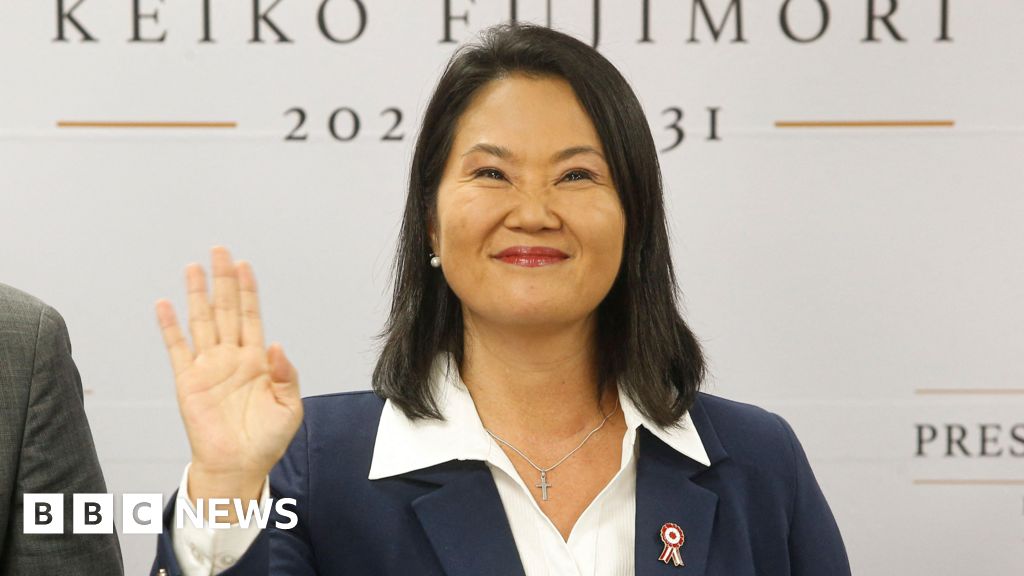
Keiko Fujimori declared winner of razor-edge Peru election
Conservative leader Keiko Fujimori has been declared the winner of Peru's presidential runoff, edging out rival Roberto Sánchez by 49,641 votes.

Conservative politician Keiko Fujimori was officially declared the winner of Peru's presidential runoff election on Friday, July 3, 2026, following a weeks-long vote count in a deeply polarized nation. The victory marks the fourth presidential bid for the 51-year-old leader of the Popular Force party, who succeeded after unsuccessful campaigns in 2011, 2016 and 2021.
The result returns the political movement founded by her late father, former President Alberto Fujimori, to power more than two decades after his authoritarian government collapsed. Fujimori will become Peru's first elected female president.
Related media

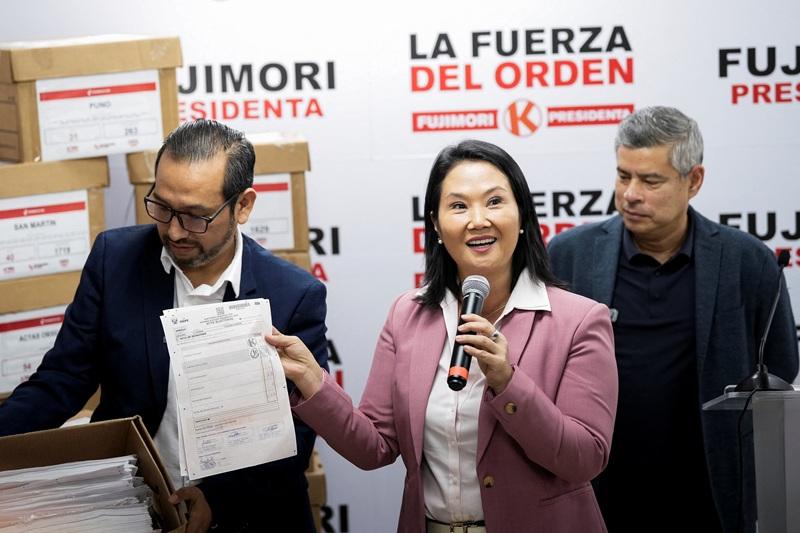
The Final Tally
The National Office of Electoral Processes (ONPE) and the National Jury of Elections (JNE) certified the results on Friday. The race was one of the closest in the country's history, decided by a razor-thin margin after Fujimori and leftist candidate Roberto Sánchez defeated 33 other candidates in an April general election to reach the June 7 runoff.
| Candidate | Total Votes | Percentage |
|---|---|---|
| Keiko Fujimori (Popular Force) | 9,223,396 | 50.135% |
| Roberto Sánchez (Together for Peru) | 9,173,755 | 49.865% |
The final margin of victory was 49,641 votes out of approximately 18 million cast. Al Jazeera reports that while Sánchez won the most votes cast within Peru, Fujimori's victory was driven by a wide margin of support from overseas ballots and voters in the capital region of Lima. Sánchez, who drew strong support from rural and Indigenous regions, led the race earlier in the count.
Security and the "Iron Fist"
Voters were primarily driven by concerns over surging organized crime, including contract killings, kidnappings and extortion. Fujimori pledged to combat these issues with an iron fist
, a strategy mirroring the tough policies of her father. Her proposed security measures include:
- Constructing four new prisons.
- Establishing a facility similar to El Salvador's Terrorism Confinement Center (CECOT).
- Forcing prisoners to work.
- Militarizing borders to curb crime and deport undocumented migrants.
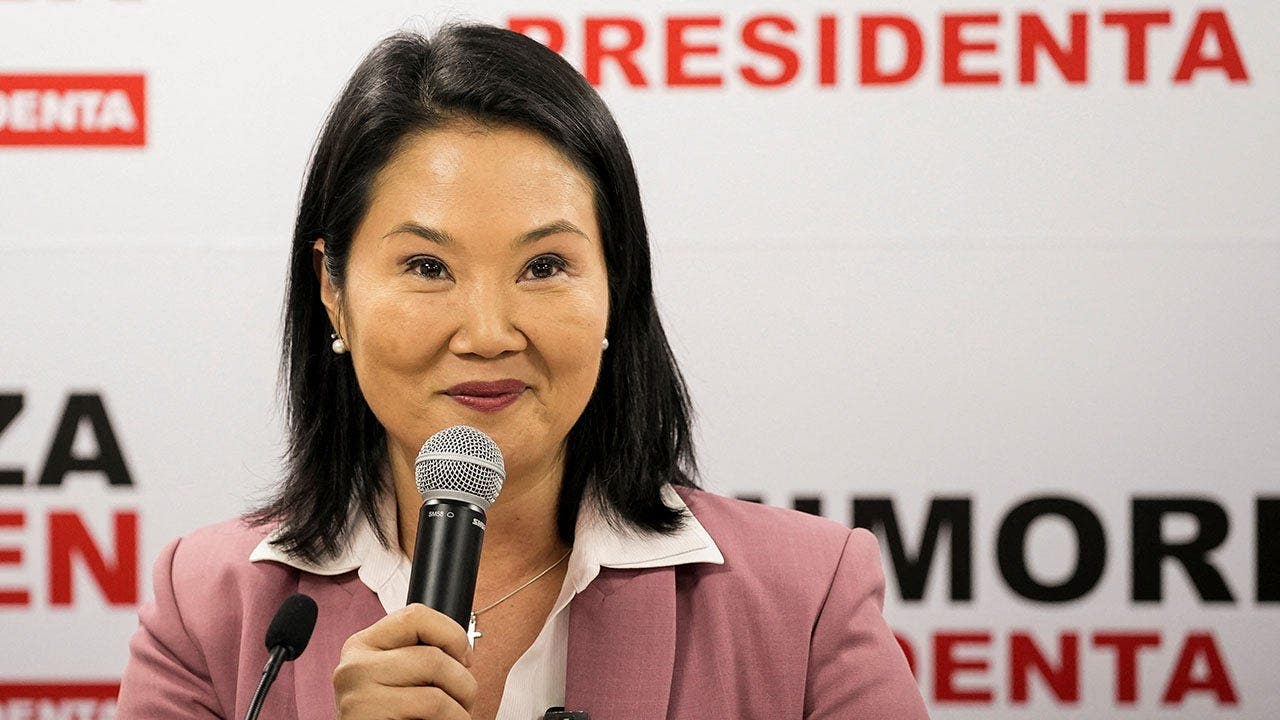
Following the proclamation, Fujimori posted on X that Peru was entering a new chapter
and a new stage
, pledging to lead with responsibility, humility and a profound sense of duty
. She further stated, Each time we draw closer to starting on the path of order and hope for all Peruvians
.
A Divided Nation and a Controversial Legacy
Fujimori's win occurs amid extreme political instability; she will be the ninth or 10th president to take office in a decade, depending on the counting of interim leaders. She succeeds interim President José Balcázar, who took office in February. This instability is often traced to the legacy of Alberto Fujimori, who ruled from 1990 to 2000. While credited with taming hyperinflation and defeating the Shining Path rebels, Alberto Fujimori was convicted of corruption and human rights abuses, serving 16 years in prison.
Keiko Fujimori herself faced years of investigation over campaign financing allegations and was imprisoned multiple times between 2018 and 2020, spending nearly a year and a half in jail before charges were dropped last year.
Regional Shift and Market Reaction
Analysts note that Fujimori's victory confirms a regional shift toward conservative leadership in Latin America, aligning with the wins of José Antonio Kast in Chile and Abelardo de la Espriella in Colombia, and the leadership of Argentina's Javier Milei and El Salvador's Nayib Bukele. On Tuesday, U.S. Secretary of State Marco Rubio and the Trump administration congratulated Fujimori, expressing interest in deepening cooperation on security, trade and investment.
Markets welcomed the result. Moody's stated a Fujimori government would preserve policy continuity and bolster investor confidence, potentially unlocking delayed mining projects in Peru, the world's third-largest copper producer.
Challenges and What to Watch Next
The transition remains tense. Roberto Sánchez has alleged electoral fraud—specifically citing a change in the digitization of overseas vote tallies—and has stated he will not recognize the Fujimori government. He has filed a complaint with the Inter-American Commission on Human Rights (IACHR).
Fujimori must now navigate a fragmented Congress. Because the constitution allows for the removal of presidents based on moral incapacity
, stability will depend on whether the divided Senate reaches the two-thirds vote required for impeachment.
Key upcoming milestones:
- July 28: Fujimori is scheduled to be sworn in as president for a five-year term.
- Administration Setup: Luis Fernando Galarreta is expected to serve as first vice-president, with Miguel Ángel Torres Morales as second vice-president.
How significant is this development?
Contribute your assessment to the aggregated reader intelligence ledger.
Archypedia is dedicated to independent, evidence-backed reporting. This briefing was synthesized from primary source reporting, corroborated across independent newsrooms, and verified against our Editorial Standards.
Transparency record
Evidence behind this report
This report synthesizes 12 distinct sources. Open the source ledger below to compare the underlying coverage.
- apnews.com
- keyt.com
- yahoo.com
- gmanetwork.com
- foxnews.com
- heraldousa.com
- english.mathrubhumi.com
- aljazeera.com
- i24news.tv
- abcnews.com
- thecourier.com.au
- ibtimes.sg
Prepared under the Archypedia Editorial Policy by the Samir Haddad editorial desk profile. AI-assisted tools may support drafting and verification; public accountability remains with Archypedia. Report an error.