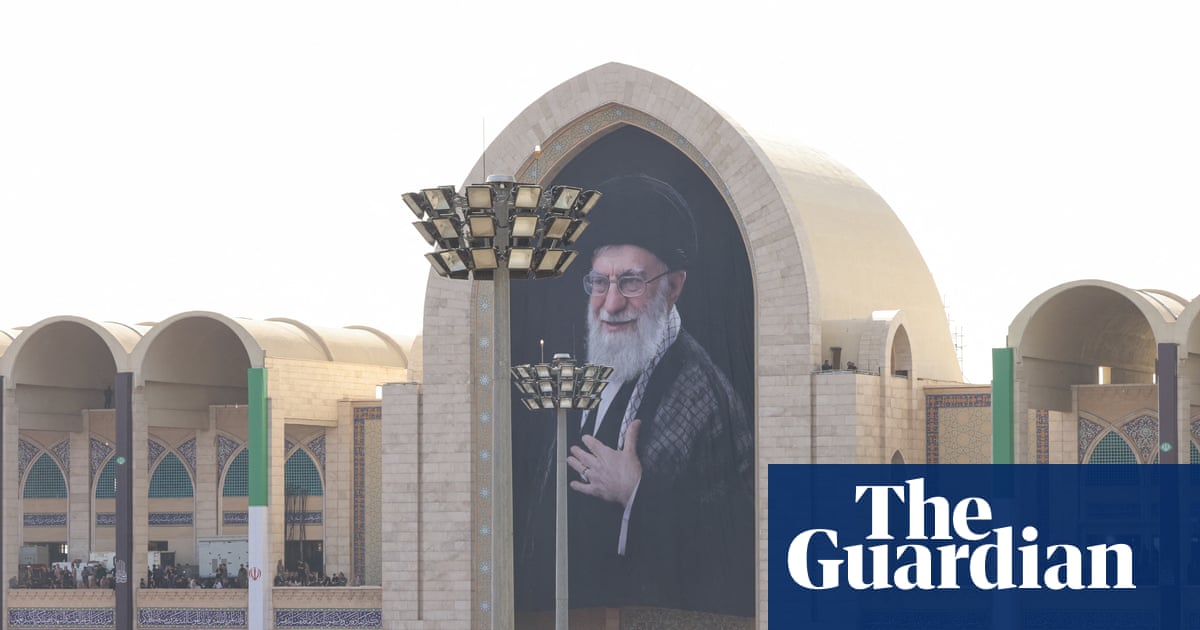
Ayatollah Ali Khamenei funeral begins with mass crowds gathering in Tehran
Millions have converged on Tehran for the six-day funeral ceremonies honoring the late Ayatollah Ali Khamenei. The procession includes stops in Iraq and marks a high-stakes transition for the Islamic Republic.
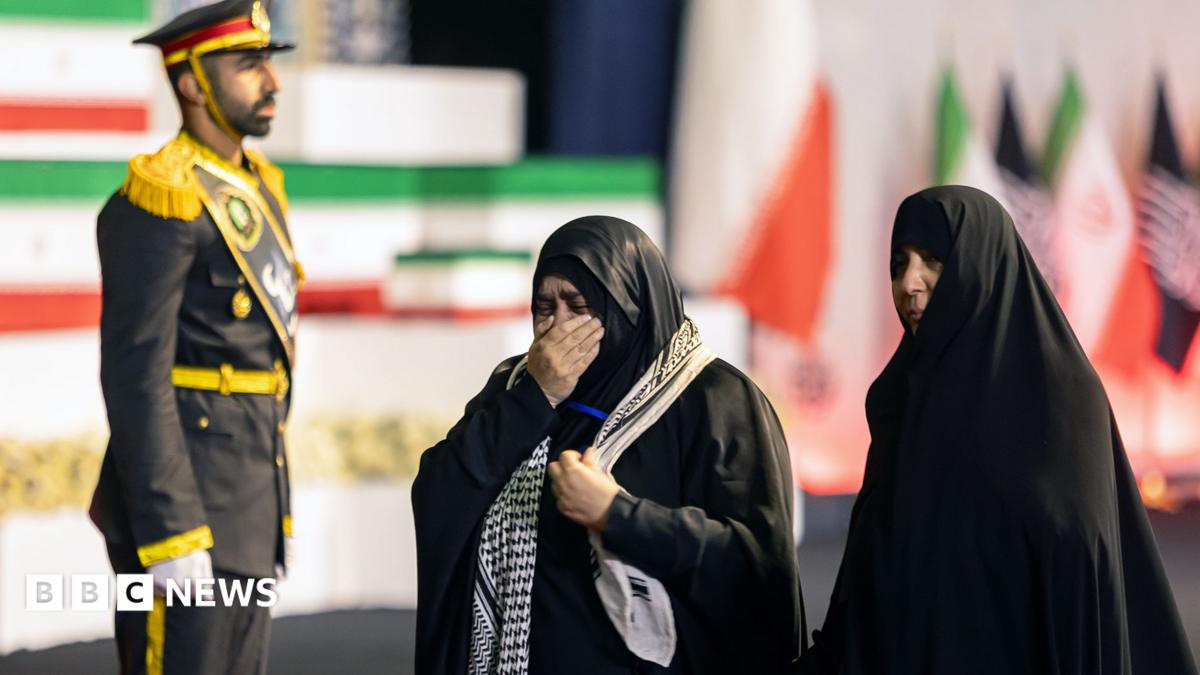
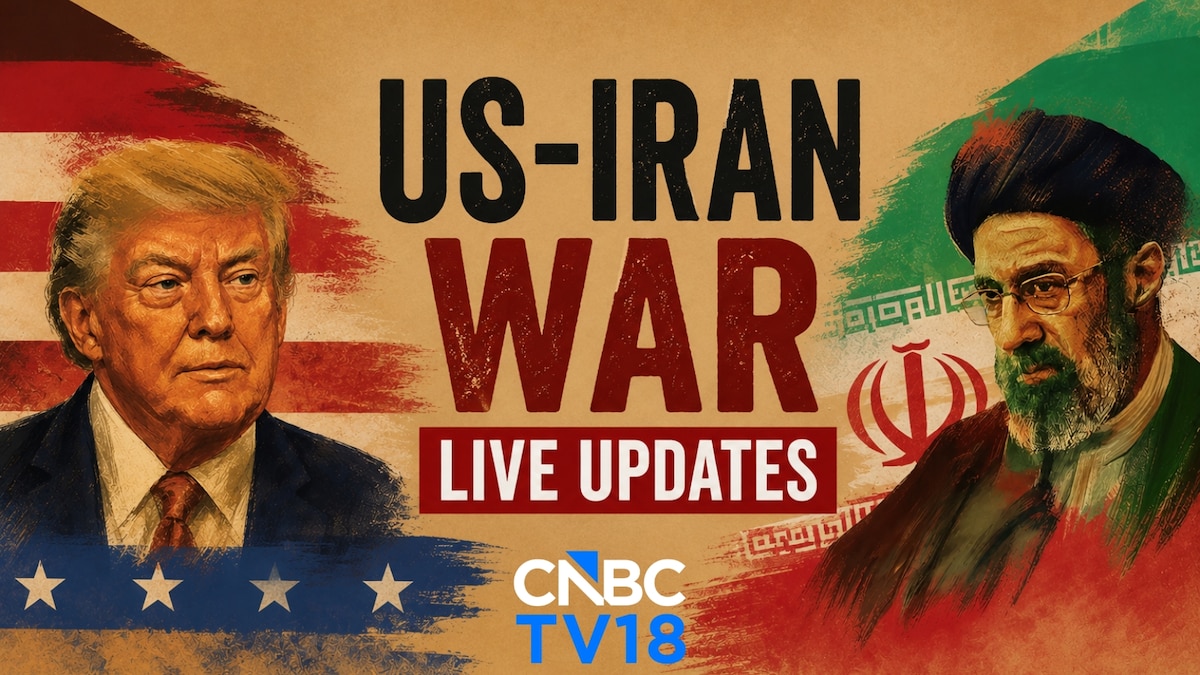
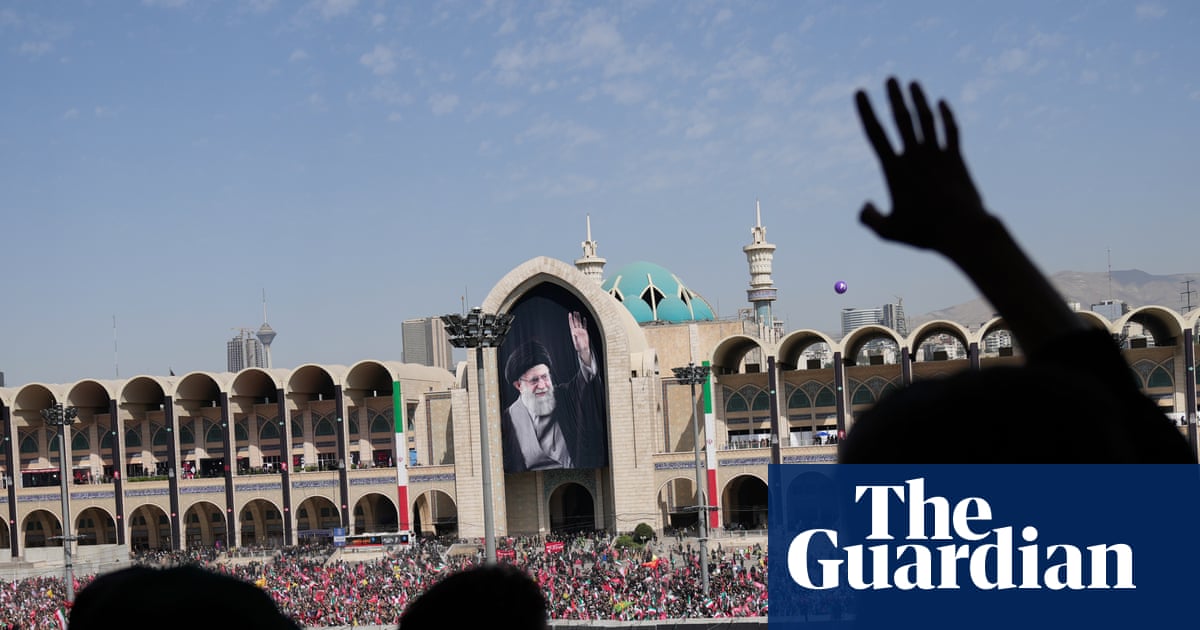
Tehran began an expansive, six-day state funeral for Ayatollah Ali Khamenei on Saturday, 4 July 2026, as millions of mourners converged on the Grand Mosalla religious complex. The ceremonies, scheduled to continue through 9 July, mark a high-stakes transition for the Islamic Republic following the death of its leader in February. Ayatollah Khamenei, who held absolute authority for nearly 37 years, was killed alongside family members, including a 14-month-old granddaughter, during a joint US-Israeli airstrike on 28 February. The strikes triggered a wider regional conflict that continues to shape current geopolitical dynamics. As the capital braced for one of the largest public gatherings in the nation’s history, authorities implemented strict security cordons, closing major roads and restricting airspace across central Tehran.
A Nation in Mourning and Defiance
By the early hours of Saturday, thousands of black-clad attendees had already filled the courtyard of the Grand Mosalla, with gates opening before dawn. Many participants carried red banners, a traditional symbol of vengeance in Shia Islam, while rhythmic chants of "revenge, revenge" and "death to America" echoed through the venue. The state-managed procession serves as a deliberate show of strength for the Islamic Republic. Official figures from the government suggest attendance could reach between 15 and 20 million people in Tehran alone over the first three days, with some projections for all scheduled events reaching as high as 30 million.
Related media


The Succession and the Absent Leader
The absence of the new Supreme Leader, Mojtaba Khamenei, remains the most significant question of the week. While Mojtaba was appointed to succeed his father in March, he has remained out of the public eye since the February strikes. Reports indicate that Mojtaba suffered serious injuries in the same strike that killed his father.
A Regional Farewell
The funeral’s reach extends beyond Iran’s borders. At the request of Iraqi officials, the casket is scheduled for a multi-city transit through Iraq, including processions at significant shrines in Najaf and Karbala. International participation in Tehran has been notable. Dignitaries spotted at the ceremonies include the Prime Minister of Pakistan, Shehbaz Sharif, accompanied by the country's army chief, and a special emissary representing Russian President Vladimir Putin, former President Dmitry Medvedev. The foreign minister of Afghanistan's Taliban government, Amir Khan Muttaqi, was also present, alongside delegations from Hamas and Hezbollah. General Ahmad Vahidi, the head of the Revolutionary Guard who had been out of public view since February, also made his first appearance at the funeral proceedings.
What to Watch Next
The funeral ceremonies are carefully choreographed, with specific milestones scheduled before the final burial in Mashhad:
- 4–5 July: The body lies in state at the Grand Mosalla in Tehran.
- 7 July: Ceremonies shift to the Shia seminary city of Qom.
- 8 July: The procession moves into Iraq, visiting the holy cities of Najaf and Karbala.
- 9 July: The body returns to Iran for final burial at the Imam Reza Shrine in Mashhad.
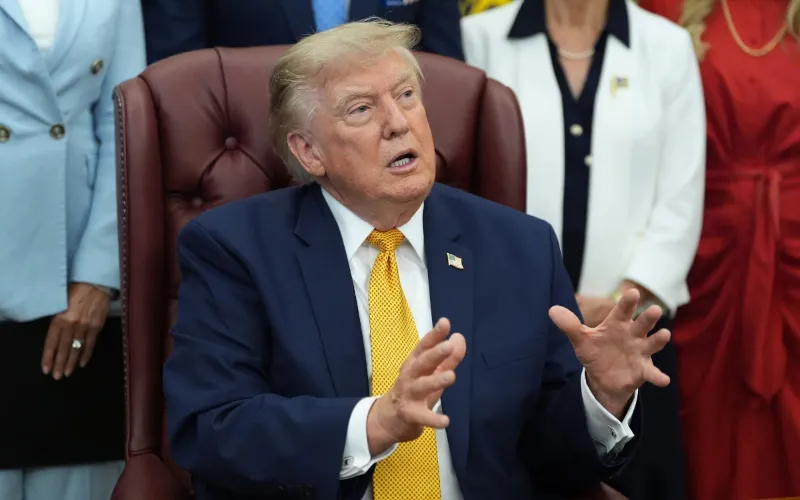
As these events unfold, observers are monitoring both the security of the crowds and the status of ongoing diplomatic efforts. Negotiations between the United States and Iran have been formally paused for the duration of the mourning period. US President Donald Trump, speaking during a holiday address, noted that his administration provided a "week off" for the funeral, while reiterating that the United States remains prepared to reach a settlement once the period of observance concludes.
How significant is this development?
Contribute your assessment to the aggregated reader intelligence ledger.
Archypedia is dedicated to independent, evidence-backed reporting. This briefing was synthesized from primary source reporting, corroborated across independent newsrooms, and verified against our Editorial Standards.
Transparency record
Evidence behind this report
This report synthesizes 10 distinct sources. Open the source ledger below to compare the underlying coverage.
- hindustantimes.com
- bbc.co.uk
- theguardian.com
- yahoo.com
- timeskuwait.com
- abc.net.au
- en.wikipedia.org
- independent.co.uk
- iowapublicradio.org
- timesnownews.com
Prepared under the Archypedia Editorial Policy by the Samir Haddad editorial desk profile. AI-assisted tools may support drafting and verification; public accountability remains with Archypedia. Report an error.