US strikes Iran as Tehran targets Bahrain and Kuwait amid maritime conflict
U.S. airstrikes against Iranian military sites have triggered retaliatory attacks on U.S. installations in Bahrain and Kuwait, escalating regional conflict.

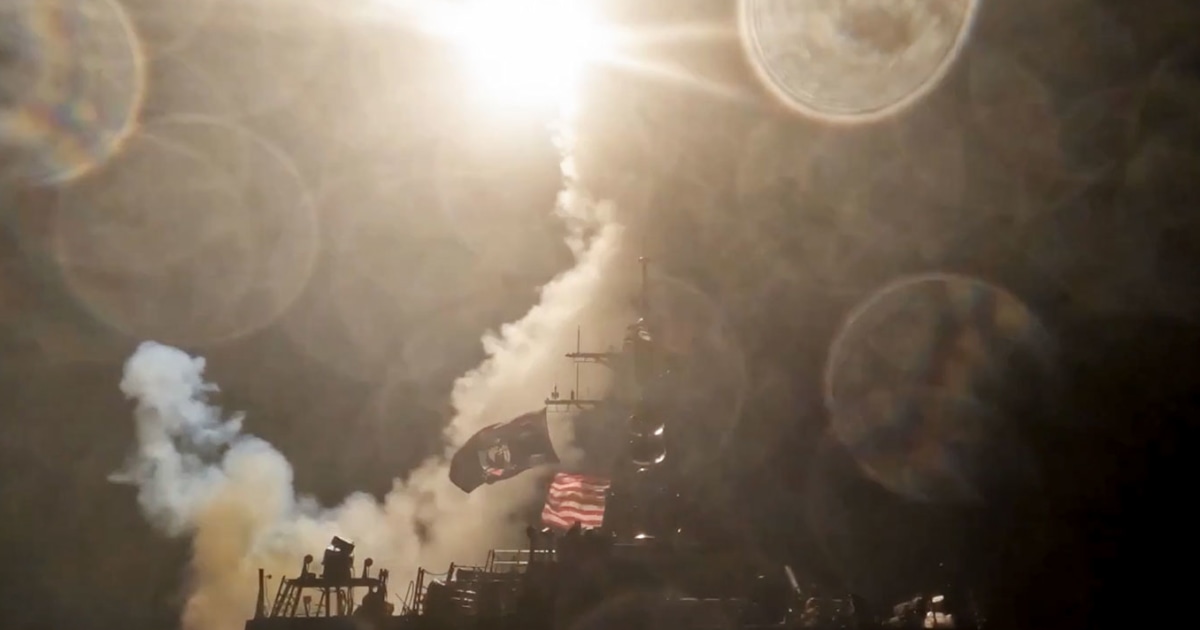
The conflict between the United States and Iran has sharply escalated on Wednesday, 8 July 2026, as a wave of U.S. Military strikes across southern Iran triggered retaliatory attacks against U.S. Military installations in Bahrain and Kuwait. The military exchange, which follows months of volatile maritime tensions, effectively unravels the fragile interim peace agreement established on 17 June 2026.
The latest crisis began following reports that three commercial vessels—including a Qatari-flagged liquefied natural gas tanker and a Saudi-linked oil tanker—were struck by projectiles while transiting the Strait of Hormuz. U.S. Central Command confirmed the launch of a series of "powerful strikes" against Iranian targets, describing the operation as a necessary measure to impose "heavy costs" for the targeting of civilian-crewed ships in international waters. The strikes targeted air defense systems, radar sites, anti-ship missile batteries, and over 60 small fast-attack boats operated by the Islamic Revolutionary Guard Corps.
Related media
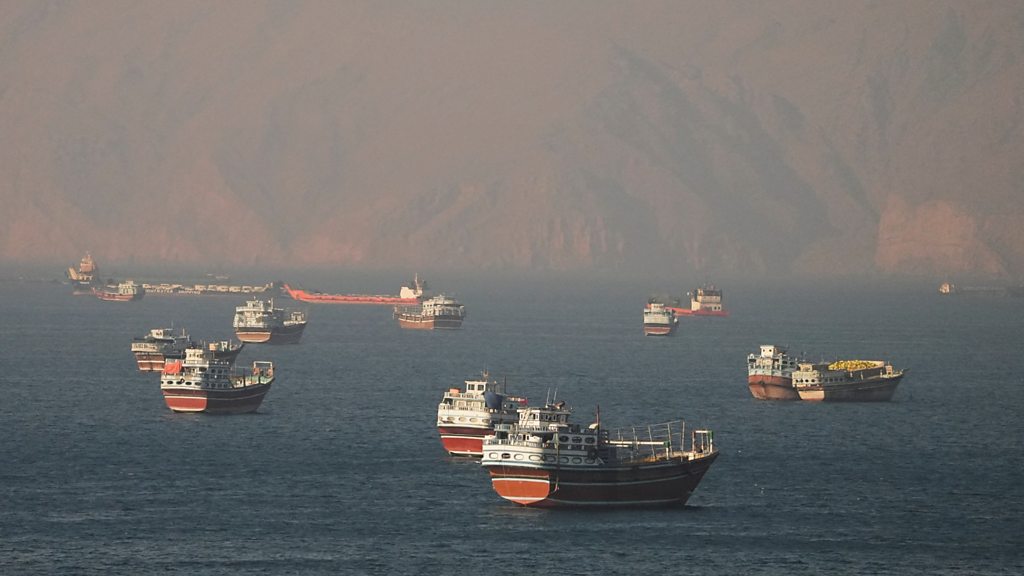

In response, Iran’s Revolutionary Guard announced it had targeted U.S. Military sites in Bahrain and Kuwait, leading to missile alerts in both nations. Kuwait’s military reported that its air defense systems were engaged in confronting hostile drone and missile threats. Iranian state media reported multiple explosions in the port city of Bandar Abbas, Qeshm Island, and the city of Sirik, as well as in Bushehr province. Furthermore, Iranian state-run media claimed the Revolutionary Guards successfully downed a U.S. MQ-9 drone, though this report has not been verified.
The military escalation coincides with a significant diplomatic reversal. Alongside the airstrikes, the U.S. Treasury Department revoked a waiver that had allowed Iran to sell crude oil on the international market, a key component of the June 17 memorandum of understanding. U.S. Officials characterized the revocation as a consequence of Iran’s failure to maintain "good behavior" as stipulated in the performance-based agreement.
Iranian officials have vehemently rejected the U.S. Justifications. Parliament Speaker Mohammad Bagher Qalibaf declared on social media that the era of bullying and extortion is over,
asserting that Iran would not fold under pressure. The Iranian Foreign Ministry accused Washington of breaching the terms of the agreement, specifically citing the revocation of the oil waiver and the persistent threat of future military action as violations of the deal signed in Islamabad.
The current situation remains fluid as regional and global powers monitor the fallout:
- Energy Markets: Global oil prices reacted sharply to the news. Brent crude futures rose approximately 1.9% to $75.54 a barrel, while U.S. West Texas Intermediate gained similar ground, trading near $71.81.
- Diplomatic Context: The unrest continues during a period of national mourning in Iran for the late Supreme Leader Ayatollah Ali Khamenei, who was killed on 28 February 2026. Funeral processions for the late leader are scheduled to conclude on Thursday, 9 July 2026.
The U.S. Administration has signaled that its military posture remains prepared to respond if further aggression occurs.
The coming days will be critical, as international observers watch for the next phase of this military and economic confrontation. President Donald Trump, who has been in Turkey for a NATO summit, remains at the center of the administration's decision-making process, even as domestic and international scrutiny of the U.S. Strategy continues to grow.
How significant is this development?
Contribute your assessment to the aggregated reader intelligence ledger.
Archypedia is dedicated to independent, evidence-backed reporting. This briefing was synthesized from primary source reporting, corroborated across independent newsrooms, and verified against our Editorial Standards.
Transparency record
Evidence behind this report
This report synthesizes 12 distinct sources. Open the source ledger below to compare the underlying coverage.
- apnews.com
- timesnownews.com
- npr.org
- economictimes.indiatimes.com
- bbc.com
- yahoo.com
- usatoday.com
- cbsnews.com
- rferl.org
- arabtimesonline.com
- republicworld.com
- thenationalnews.com
Prepared under the Archypedia Editorial Policy by the Mara Ionescu editorial desk profile. AI-assisted tools may support drafting and verification; public accountability remains with Archypedia. Report an error.