US denies Iranian claims it hit civilian infrastructure in latest strikes
The United States has rejected Iranian allegations that its military campaign has targeted civilian infrastructure as regional fighting intensifies.
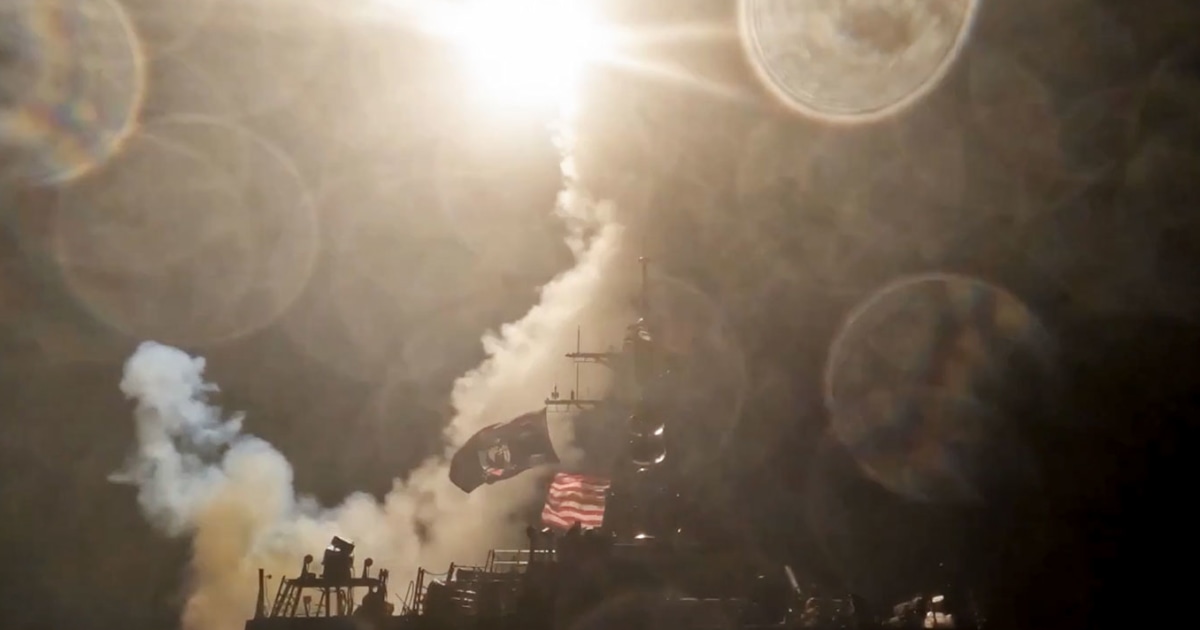
The United States has categorically denied accusations from Tehran that its ongoing air campaign in Iran has targeted civilian infrastructure. As the conflict enters its sixth consecutive night of hostilities, the disagreement underscores a sharp escalation in a war that recently saw a collapse of peace negotiations.
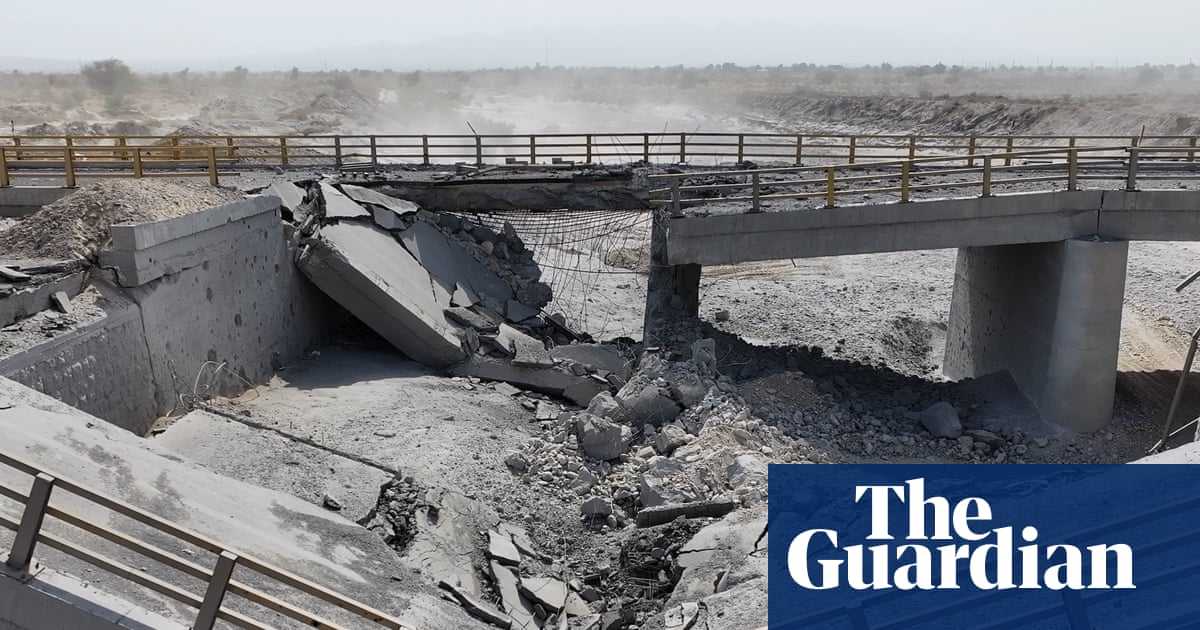
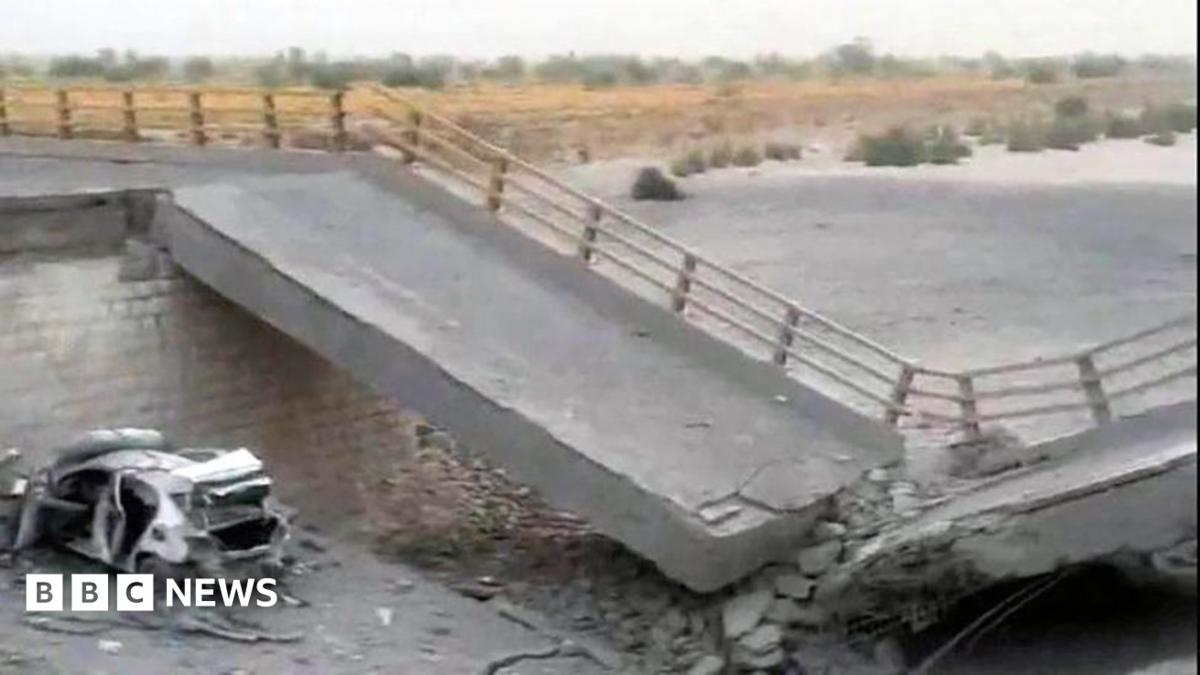
Iranian state media and regional authorities reported that recent strikes hit a series of civilian assets, including Iranshahr Airport, a railway junction station, and multiple bridges within the Hormozgan province. According to provincial officials, these strikes resulted in the deaths of seven people.
Related media


In response to these claims, a spokesperson for the White House told the Bbc that the United States has carried out strikes exclusively on military targets, including military logistics infrastructure
. The U.S. Central Command (CENTCOM) echoed this stance, stating that the operations are intended to further degrade Iranian military capabilities. While CENTCOM has not released a comprehensive target list, imagery verified by BBC Verify confirmed significant damage to the Gariveh Bridge in Hormozgan.
Escalation Across the Gulf
The military exchange expanded significantly on Friday, moving beyond the direct U.S.-Iran frontline. The Islamic Revolutionary Guard Corps (IRGC) claimed to have launched missile and drone attacks against U.S. Interests in Bahrain, Kuwait, and Jordan, as well as an alleged strike against a U.S. Special operations command center in al-Tanf, Syria.
Regional responses to these retaliatory strikes varied:
- Kuwait: Authorities reported damage to power generation and water desalination facilities, with the army confirming that several personnel were wounded.
- Qatar: Officials stated that armed forces intercepted incoming projectiles, though falling debris resulted in the injury of a child.
- Jordan: The military confirmed it intercepted three Iranian ballistic missiles.
- Iraq: Local reports indicated strikes in the Kurdistan region, resulting in multiple casualties among an Iranian Kurdish opposition group.
President Donald Trump has previously suggested that U.S. Operations would target Iranian bridges and power stations to compel Tehran to return to the negotiating table. This strategy has drawn criticism from international observers, including the UN Secretary-General Antonio Guterres, whose spokesperson expressed deep concern on Friday regarding the targeting of civilian infrastructure.
Strait of Hormuz Blockade
The conflict remains anchored in the struggle for control over the Strait of Hormuz, a critical maritime passage for global energy supplies that has effectively been closed throughout the war. The U.S. Military recently reinstated a naval blockade of Iranian ports and has boarded commercial vessels to ensure compliance with its maritime restrictions. CENTCOM reported that since the blockade was reimposed on Tuesday, it has redirected three vessels and disabled one oil tanker.
The International Energy Agency (IEA) has expressed alarm regarding the potential for long-term supply disruptions. We should be worried, and I am worried, if the situation does not improve in the next few weeks,
said Fatih Birol, the head of the IEA.
The current state of the conflict stands in contrast to the June ceasefire agreement, which had intended to facilitate a transition toward a permanent peace. Following the collapse of those talks, both nations have engaged in a heightened cycle of direct strikes and proxy-related violence. As of July 17, the Strait of Hormuz remains shuttered, and the naval standoff continues to impact international shipping, with the UK Maritime Trade Operations reporting a projectile strike on a tanker near Oman as recently as Thursday.
What to Watch Next
- Energy Markets: Global oil and liquefied natural gas markets remain volatile, with analysts monitoring the blockade’s impact on export capacity.
- Legal Scrutiny: International focus remains on whether the targeting of dual-use infrastructure—such as bridges and power plants—will trigger further intervention from human rights organizations or the United Nations.
Archypedia is dedicated to independent, evidence-backed reporting. This briefing was synthesized from primary source reporting, corroborated across independent newsrooms, and verified against our Editorial Standards.
Transparency record
Evidence behind this report
This report synthesizes 9 distinct sources. Open the source ledger below to compare the underlying coverage.
- bbc.com
- yahoo.com
- timesnownews.com
- bbc.co.uk
- npr.org
- aljazeera.com
- cbsnews.com
- channelstv.com
- theguardian.com
Prepared under the Archypedia Editorial Policy by the Mara Ionescu editorial desk profile. AI-assisted tools may support drafting and verification; public accountability remains with Archypedia. Report an error.