Health
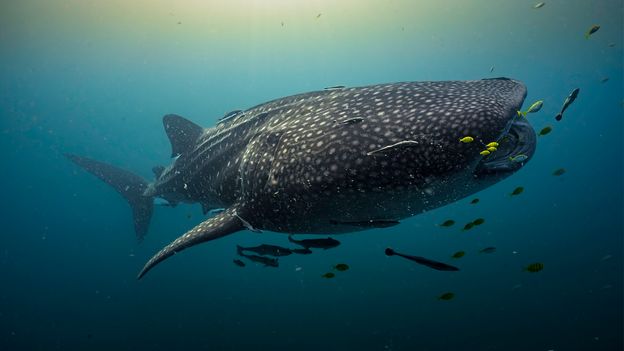
Indonesian fishers discover first neonatal whale shark in Saleh Bay
Local fishers in Indonesia's Saleh Bay discovered a rare neonatal whale shark, offering scientists a vital clue into the endangered species' reproductive cycle.
Local fishers in Indonesia's Saleh Bay discovered a rare neonatal whale shark, offering scientists a vital clue into the endangered species' reproductive cycle.
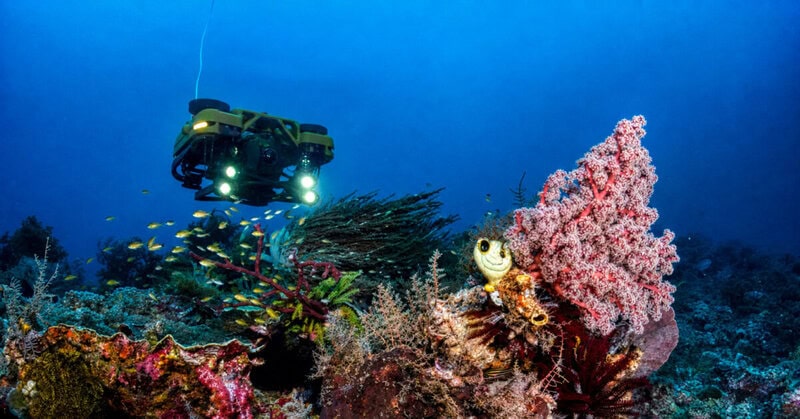
Using side-scan sonar and underwater drone technology, researchers identified a healthy coral ecosystem located more than 50 metres deep. This discovery challenges mid-20th-century assessments that the site was an extinct relic.

A new study reveals that agricultural, industrial, and pharmaceutical pollutants are accumulating in coral tissues, reducing their energy and nutrient reserves.
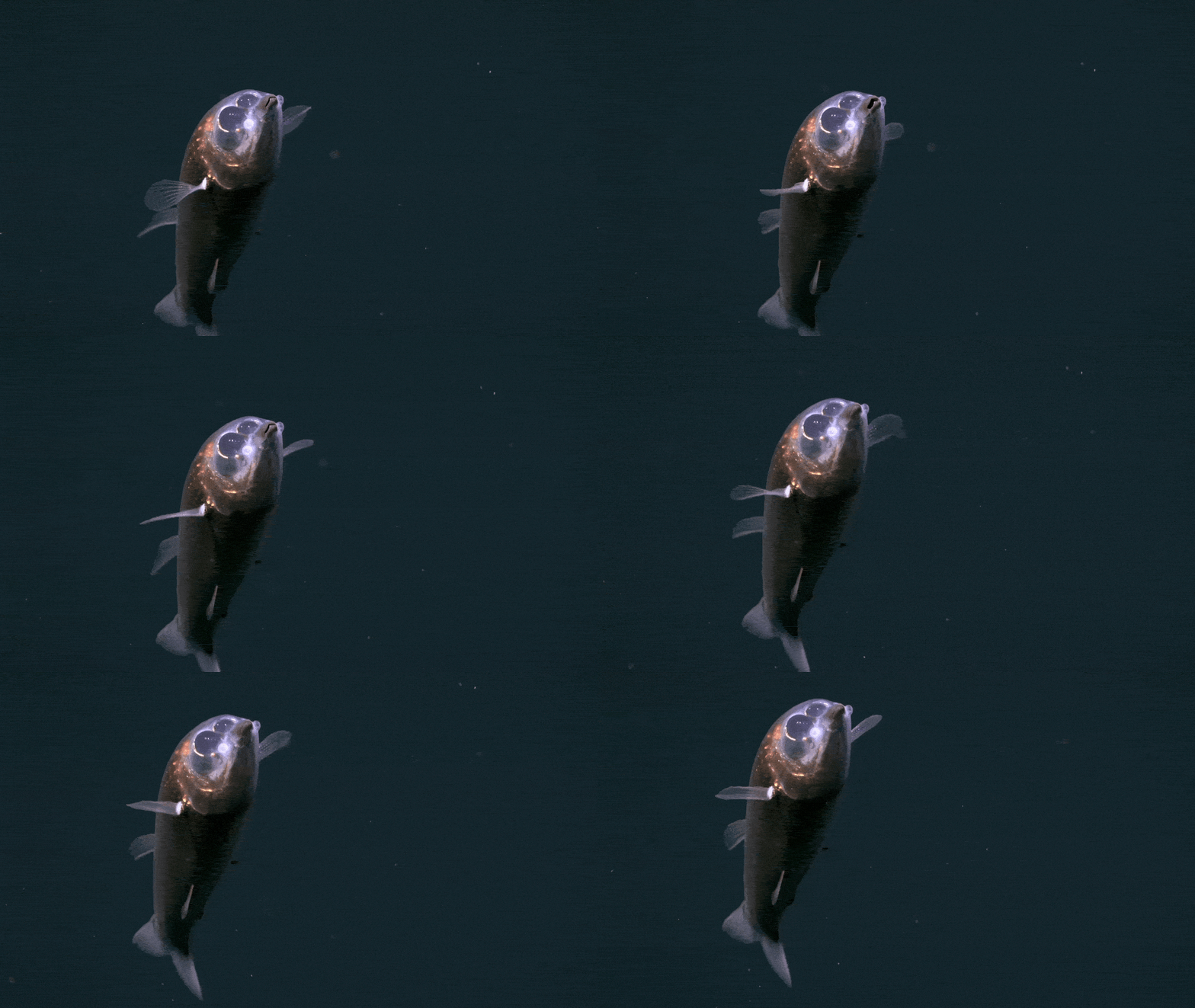
Researchers have documented the rare barreleye fish in its natural deep-sea habitat for the first time, providing insight into its unique anatomy. The expedition also identified previously unknown hydrothermal fields and deep-sea ecosystems within the Atlantic.

New research documents goblin sharks in their natural deep-sea habitat and provides insights into the physiology and foraging of basking sharks.
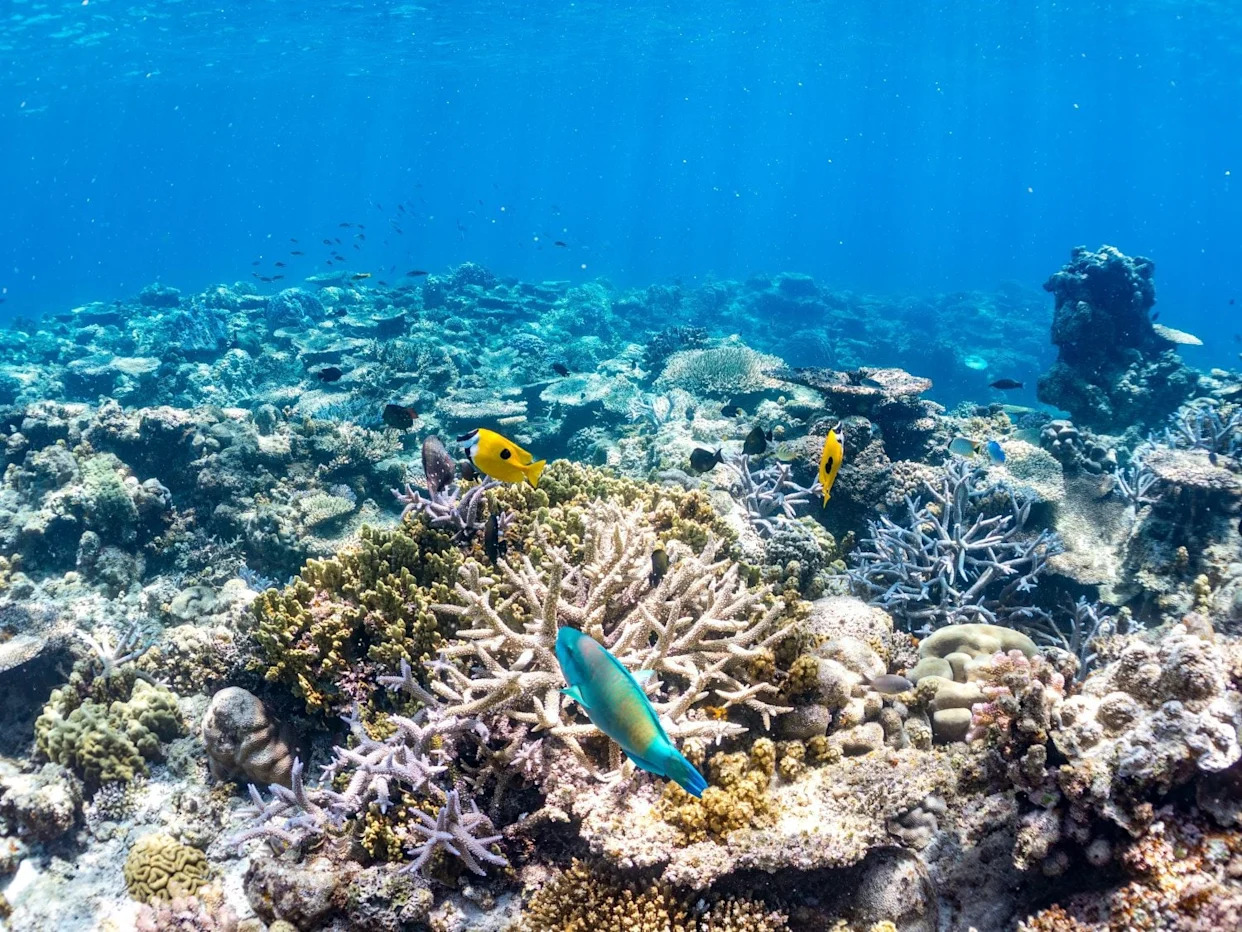
New research indicates that artificial light at night triggers sleep deprivation, DNA damage, and behavioral shifts in reef fish while altering predator activity. Experts suggest that improving coastal lighting design could help mitigate these negative environmental impacts.

Artificial light spilling into coastal waters is disrupting the natural rhythms of reef fish, leading to neurological stress and ecosystem instability. Researchers are now advocating for improved lighting practices to mitigate these environmental impacts.