Underwater drone discovers forgotten coral reef off Benin coast
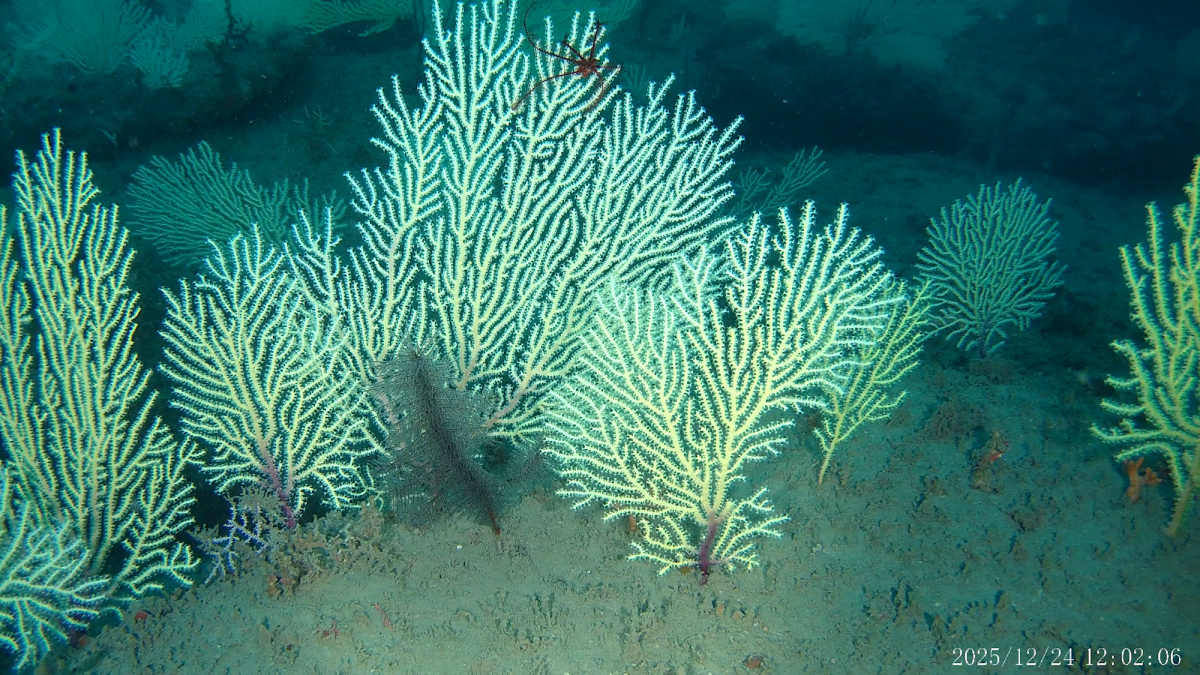
Using side-scan sonar and underwater drone technology, researchers identified a healthy coral ecosystem located more than 50 metres deep. This discovery challenges mid-20th-century assessments that the site was an extinct relic.
A coral reef system off the coast of Benin, long dismissed by the scientific community as a dead relic, has been rediscovered in a state described as teeming with life
by the researchers who located it. The site, documented during a survey conducted between April and December 2025, sits at a depth of more than 50 metres, placing it within the mesophotic zone — a region where limited sunlight reaches the seafloor, making it structurally distinct from the vibrant, shallow-water reefs familiar to most observers.
The discovery, reported in Frontiers in Marine Science, confirms the existence of a living ecosystem in a location that had effectively vanished from active research agendas for six decades. Initial surveys in the 1960s, which were primarily intended to identify potential fishing grounds, identified hard structures on the seafloor but lacked the technology to conduct detailed visual inspections. Lacking evidence to the contrary, those mid-century reports classified the site as probably dead, an assessment that persisted in scientific records until now.
Related media

Gérard Zinzindohoué, the lead researcher from the Institut de Recherches Halieutiques et Océanologiques du Bénin, noted that the path to discovery was fraught with operational challenges. It was a mix of long days at sea, technical problems, and a lot of uncertainty,
Zinzindohoué said.
"I still remember seeing those first images. It was a mix of excitement and disbelief, because after all this time thinking about this reef, suddenly there was something real in front of us."
Technology Bridging the Gap
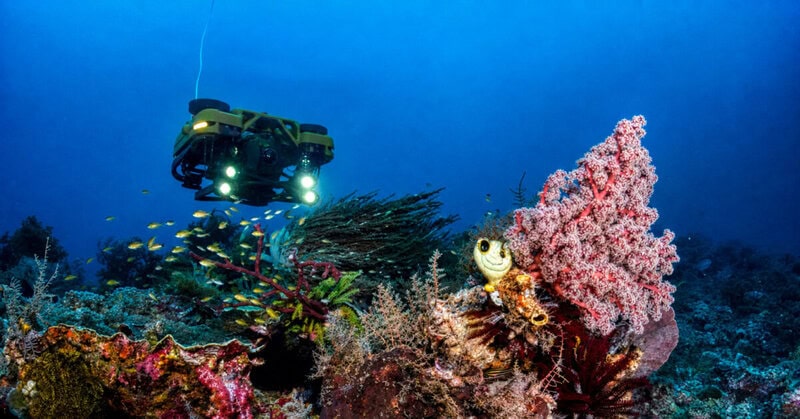
The rediscovery was made possible by modern marine technology that was unavailable to the original researchers. The team utilized side-scan sonar to map approximately seven miles of the Gulf of Guinea seafloor, identifying two promising acoustic signatures that warranted further investigation. To verify these targets, they deployed a remotely operated underwater drone paired with the National Geographic Exploration Technology Lab’s Deep Sea Camera System.
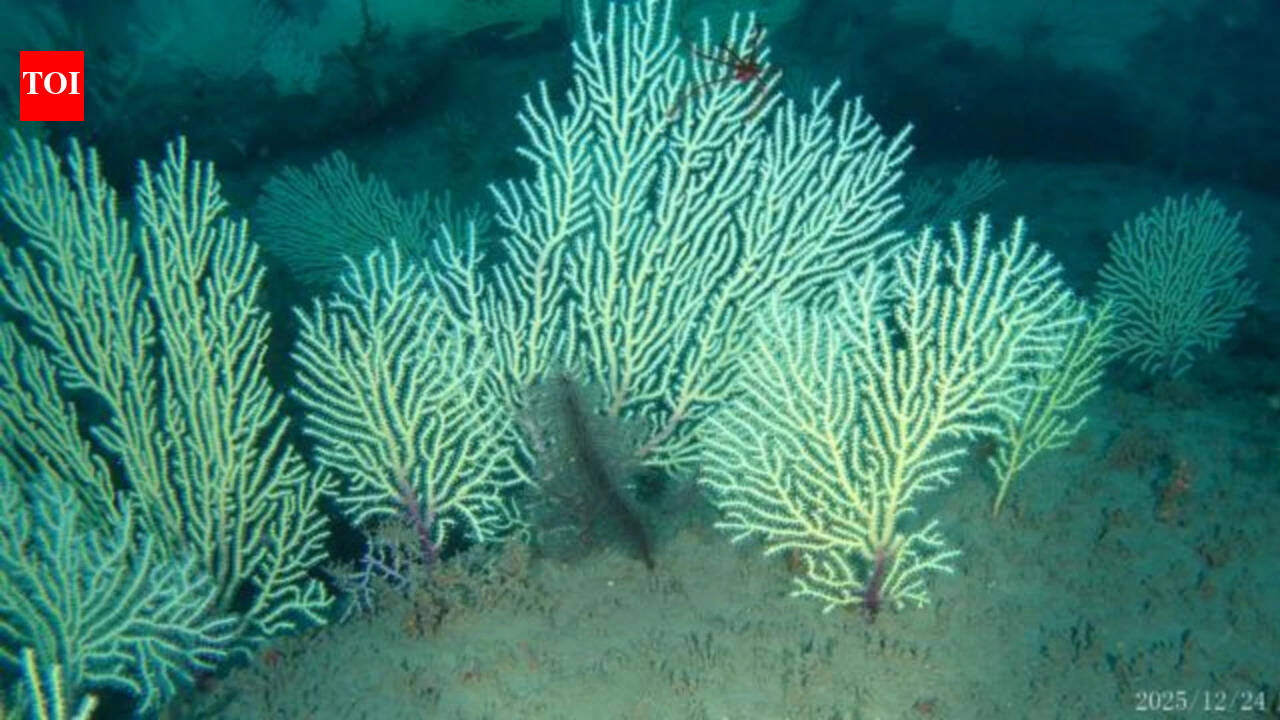
This pairing of active, real-time drone observation with passive, long-term camera recording — essentially deep-water trail cameras, allowed the team to observe the reef without the disturbances caused by human intervention. The camera footage revealed a patchy, healthy ecosystem rather than a continuous barrier reef, providing visual evidence that meets the contemporary scientific threshold for formal confirmation.
Ecological Findings
The survey identified eight distinct types of coral and eight fish species, including the golden African snapper, the Monrovia doctorfish, and the Guinean angelfish. Despite the successful identification, the team cautioned that these findings are preliminary. Because the researchers have not yet been able to physically sample the corals, a full taxonomic inventory remains pending. Furthermore, there is currently no baseline data to confirm whether the reef is stable, recovering, or in decline, as historical records offer no direct comparison for the reef’s past health.
The Benin site remains vulnerable to the same environmental and industrial pressures that threaten marine ecosystems globally, including bottom trawling and offshore oil and gas activity. Experts emphasize that the reef's survival over the past 60 years does not equate to long-term resilience against these ongoing challenges. It is clear that persistent underinvestment in West African marine research has contributed to a structural knowledge gap regarding the region's biodiversity.
What to Watch Next
- Taxonomic Verification: Physical samples are required to definitively identify the coral species present at the site.
- Systematic Mapping: Historical reports suggested the reef might span roughly 25 miles; the current survey examined only a small section.
- Conservation Status: The team intends to secure funding for a comprehensive diving and sampling program to establish a baseline for long-term monitoring.
- Replication: Researchers hypothesize that this site is not an isolated case and advocate for using similar low-cost drone technology to investigate other under-surveyed coastal margins in the Gulf of Guinea.
As the scientific community continues to piece together this archive of the deep, the Benin discovery serves as a reminder that the absence of data is not equivalent to the absence of life. It feels like we have only just started to read an archive that has been there for a very long time,
Zinzindohoué said, underscoring the potential for future discoveries in areas previously written off by mid-20th-century methodologies.
Archypedia is dedicated to independent, evidence-backed reporting. This briefing was synthesized from primary source reporting, corroborated across independent newsrooms, and verified against our Editorial Standards.
Transparency record
Evidence behind this report
This report synthesizes 7 distinct sources. Open the source ledger below to compare the underlying coverage.
- sciencesensei.com
- timesofindia.indiatimes.com
- popsci.com
- scienceblog.com
- nypost.com
- smithsonianmag.com
- yahoo.com
Prepared under the Archypedia Editorial Policy by the Niko Vale editorial desk profile. AI-assisted tools may support drafting and verification; public accountability remains with Archypedia. Report an error.