Artificial Light Pollution Disrupts Sleep and Brain Health in Reef Fish
Artificial light spilling into coastal waters is disrupting the natural rhythms of reef fish, leading to neurological stress and ecosystem instability. Researchers are now advocating for improved lighting practices to mitigate these environmental impacts.

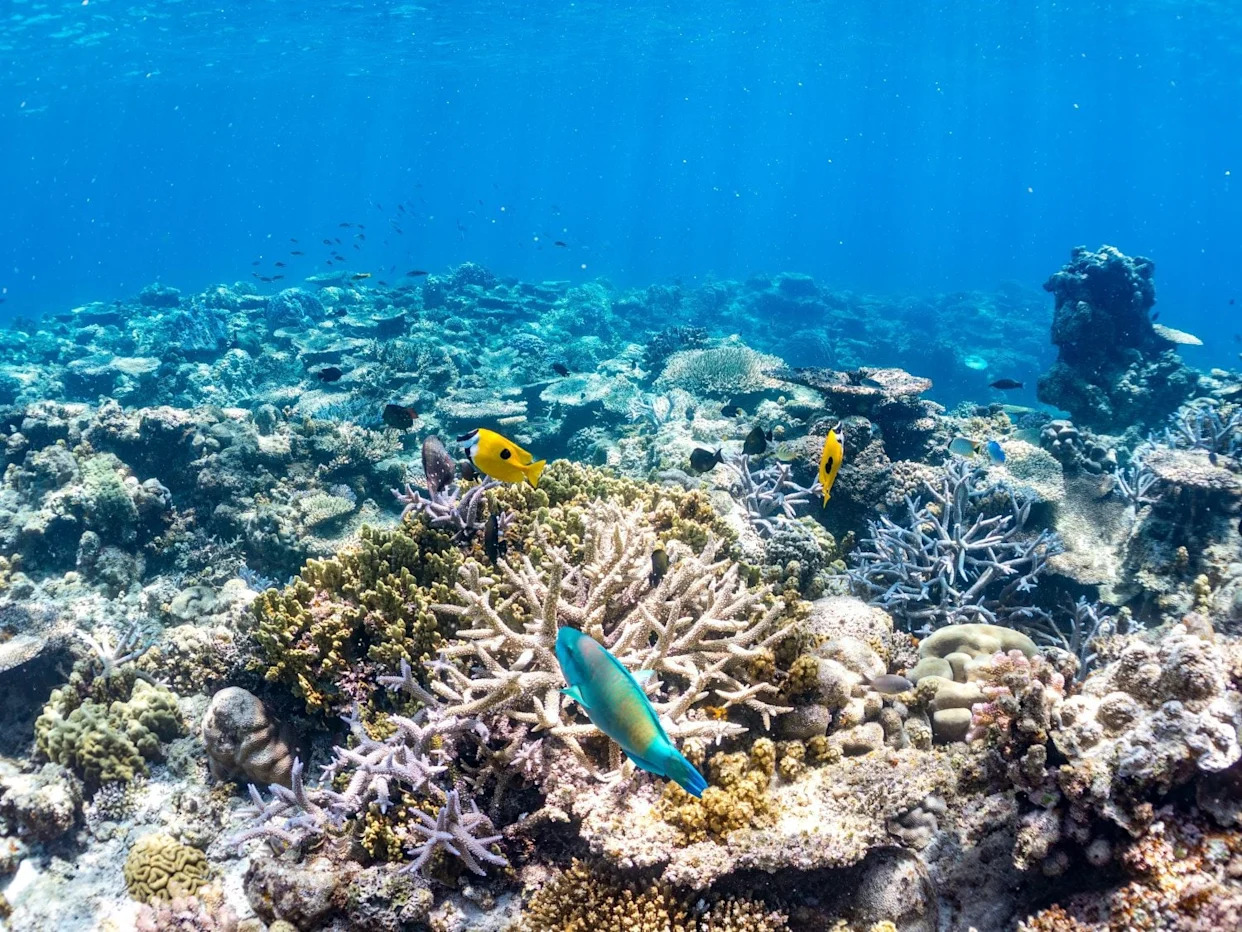
Artificial light spilling into coastal waters from cities, ports, roads, and hotels is significantly altering the behavior and physiology of reef fish. New research indicates that even low levels of nighttime illumination disrupt natural sleep patterns, leading to increased aggression, erratic feeding, and potential long-term damage to brain health. These findings suggest that the global expansion of artificial light at night — often referred to as ALAN — is creating a fundamental transformation of marine environments that threatens the stability of entire coral reef ecosystems.
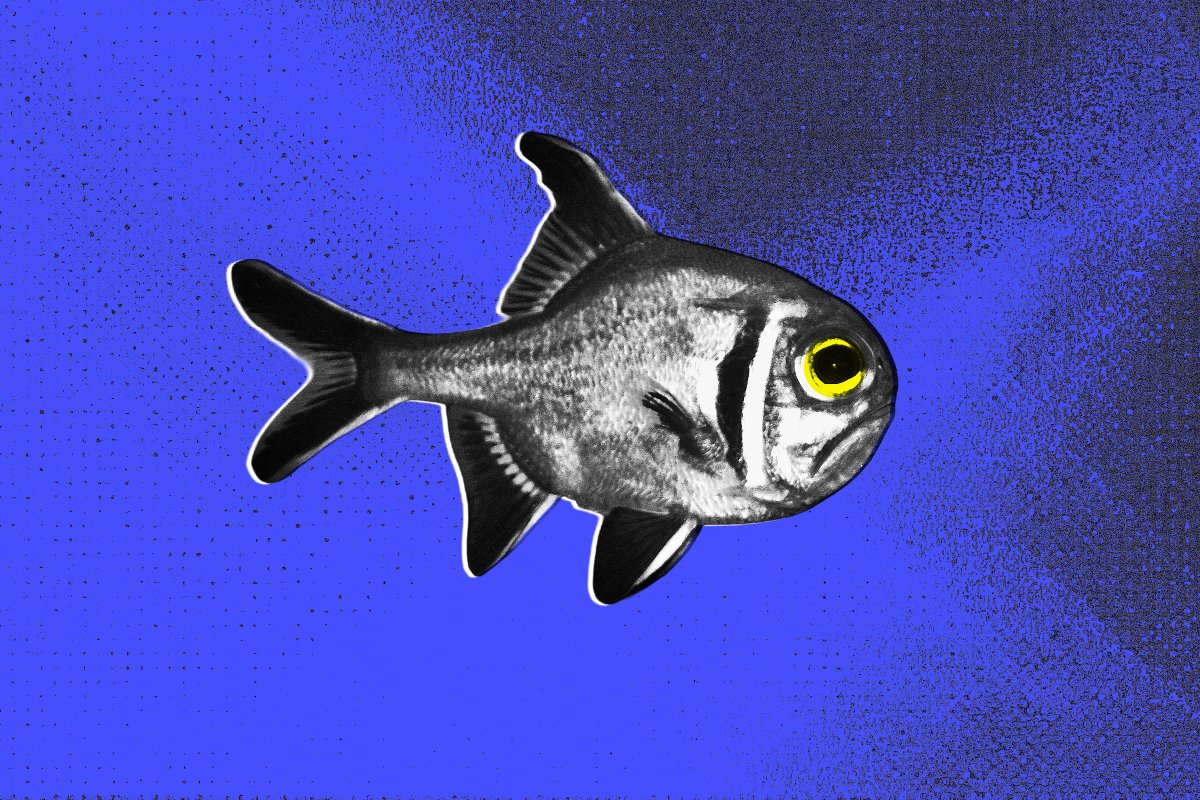
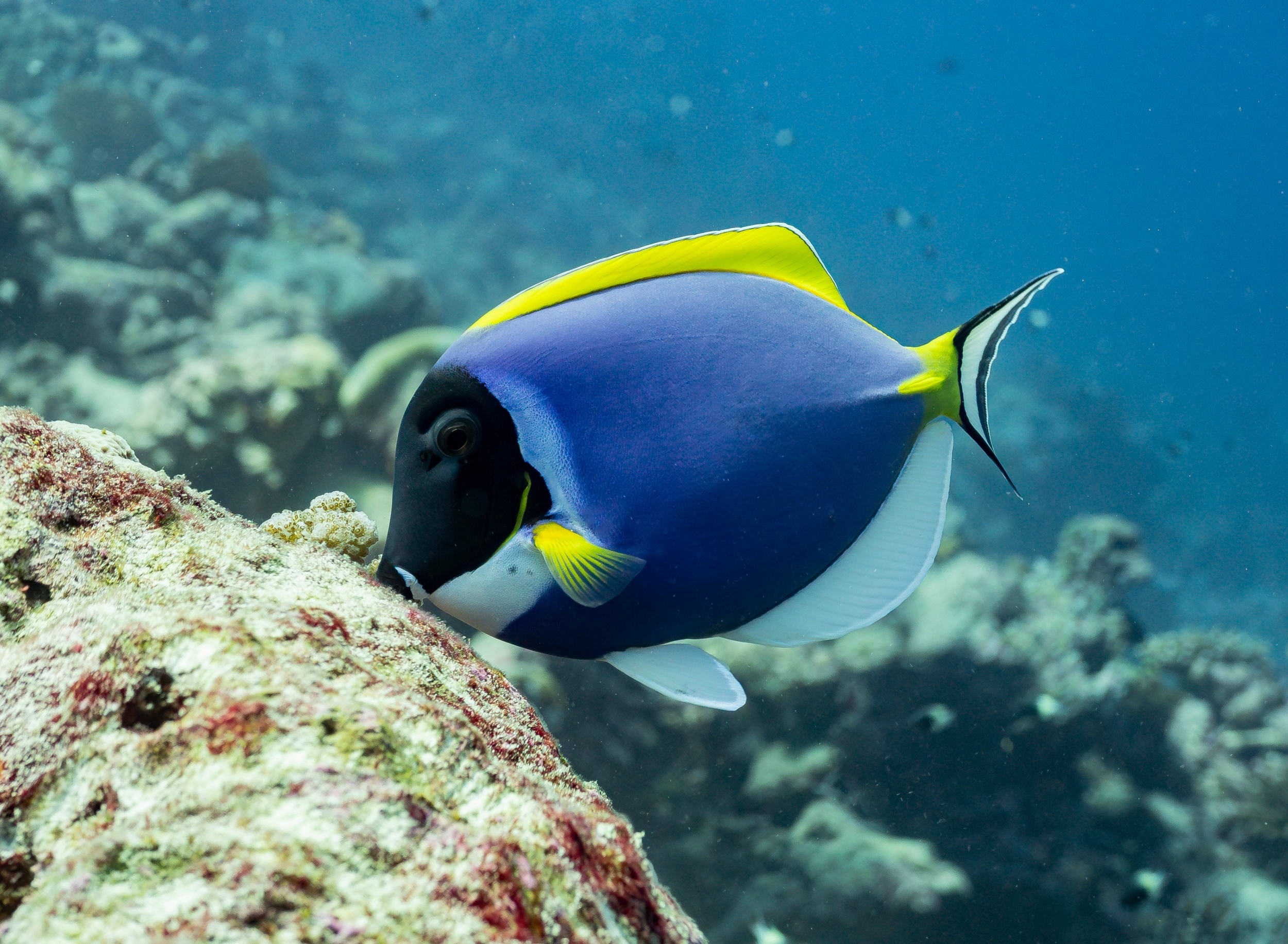
Studies conducted in the Gulf of Aqaba/Eilat show that blue-green damselfish, which naturally rely on darkness to rest within the safety of branching corals, experience a complete breakdown of their nocturnal rhythms when exposed to light levels comparable to those found in developed coastal areas. Researchers observed that these fish, when under artificial illumination, failed to remain in their shelters, increased their activity ranges, and began feeding at times when they would typically be dormant. According to the team from Bar-Ilan University, including Prof. Oren Levy, Prof. Lior Appelbaum, and doctoral student Shachaf Ben-Ezra, these fish exhibited behavioral shifts as if night had transitioned into day.
Related media

Biological and Neurological Impacts
Beyond changes in movement and temperament, the physiological consequences of sleep deprivation in these animals are appearing in brain tissue. Researchers found that fish exposed to artificial light showed elevated levels of markers associated with DNA damage. While the study does not definitively prove that the light directly damages DNA, it suggests that the disruption of sleep, a period essential for biological repair, interferes with the brain’s ability to perform necessary maintenance. These neurological changes were detectable after only a few nights of exposure and persisted throughout a five-month field study, indicating that the stress is not merely a transient reaction to a new environment.
Similar research on zebrafish, led by scientists from the Institute of Hydrobiology of the Chinese Academy of Sciences and the Max Planck Institute of Animal Behavior, highlights that light pollution, particularly in the blue light spectrum, can trigger anxiety-like behaviors. By measuring wall-hugging patterns, scientists noted that fish exposed to light became more sedentary and anxious. Crucially, these effects have been observed to span generations; offspring born to mothers exposed to artificial light displayed diminished activity levels, despite having no direct exposure themselves.
Ecosystem-Level Consequences
The impact of light pollution extends far beyond the individual fish. Coral reefs are defined by tightly connected biological interactions, and previous research has already established that artificial light disrupts the physiology of corals, their symbiotic relationship with algae, and the synchronization of coral spawning. Scientists now warn that when both the coral and the fish that depend on it for shelter are impacted, the cumulative damage could ripple throughout the entire reef community. As noted by Prof. Levy, the fish play vital roles in regulating algae and nutrient movement, and their diminished function could compromise the resilience of these habitats.
Data suggests that approximately 22% of the world’s coastal regions and 35% of marine protected areas are currently affected by artificial light. In some locations, such as the Gulf of Eilat, nighttime light levels can reach 60 times the intensity of natural starlight.
Management and Mitigation Strategies
Researchers are advocating for immediate improvements to coastal lighting practices to mitigate these ecological risks. Recommended strategies include:
- Reducing unnecessary nighttime illumination near shorelines.
- Directing light beams inland and away from the water.
- Adopting smart lighting technologies that can dim or turn off when not needed.
- Minimizing the use of blue-wavelength light sources in proximity to animal habitats.
The urgency of these recommendations is echoed by experts who study broader marine systems, who note that many species have evolved over millions of years to rely on natural light cues like moonlight and starlight. Because current LED lighting often utilizes shorter wavelengths that penetrate deeper into the water column than older lighting technologies, the problem is expected to intensify without intervention.
Looking ahead, the next phase of research will focus on determining the reversibility of these effects. Scientists are seeking to discover whether providing dark recovery periods can restore the health and behavior of affected populations, a question that will determine whether existing light-polluted coastlines can be ecologically rehabilitated or if preservation efforts must prioritize the protection of the few remaining dark zones.
How significant is this development?
Contribute your assessment to the aggregated reader intelligence ledger.
Archypedia is dedicated to independent, evidence-backed reporting. This briefing was synthesized from primary source reporting, corroborated across independent newsrooms, and verified against our Editorial Standards.
Transparency record
Evidence behind this report
This report synthesizes 8 distinct sources. Open the source ledger below to compare the underlying coverage.
- earth.com
- yahoo.com
- thejewishedition.com
- sciencedaily.com
- news.cornell.edu
- futurism.com
- israelscienceinfo.com
- scitechdaily.com
Prepared under the Archypedia Editorial Policy by the Niko Vale editorial desk profile. AI-assisted tools may support drafting and verification; public accountability remains with Archypedia. Report an error.