Researchers capture first-ever footage of rare barreleye fish in Atlantic
Researchers have documented the rare barreleye fish in its natural deep-sea habitat for the first time, providing insight into its unique anatomy. The expedition also identified previously unknown hydrothermal fields and deep-sea ecosystems within the Atlantic.
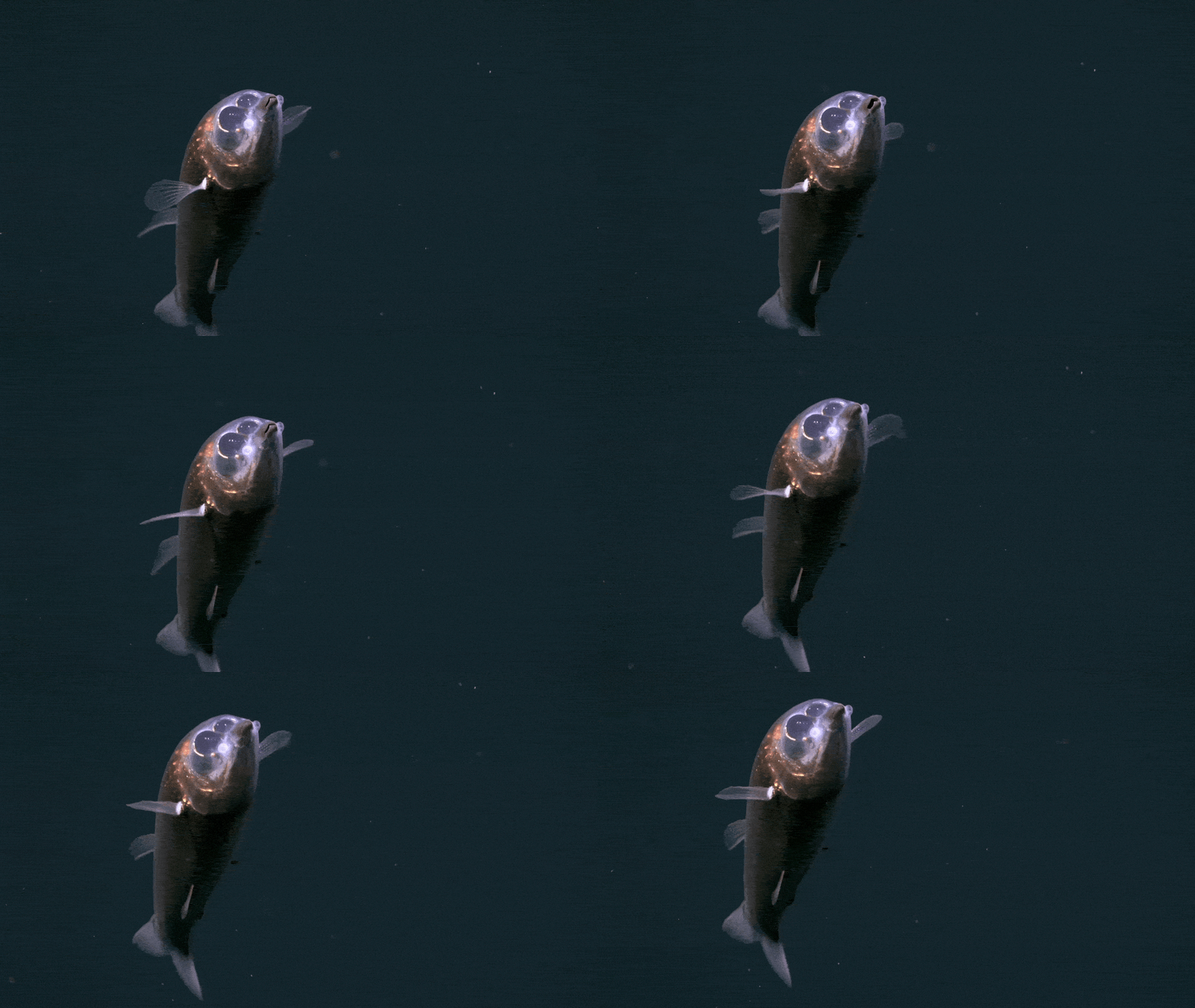
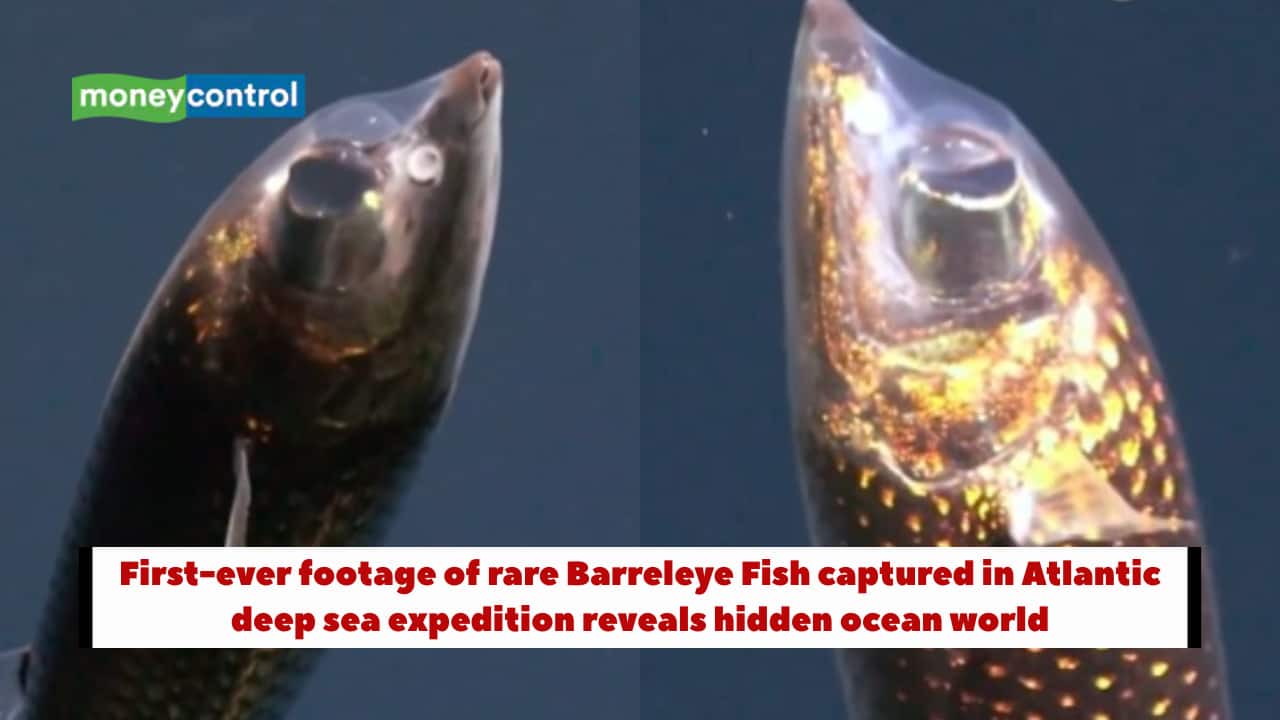
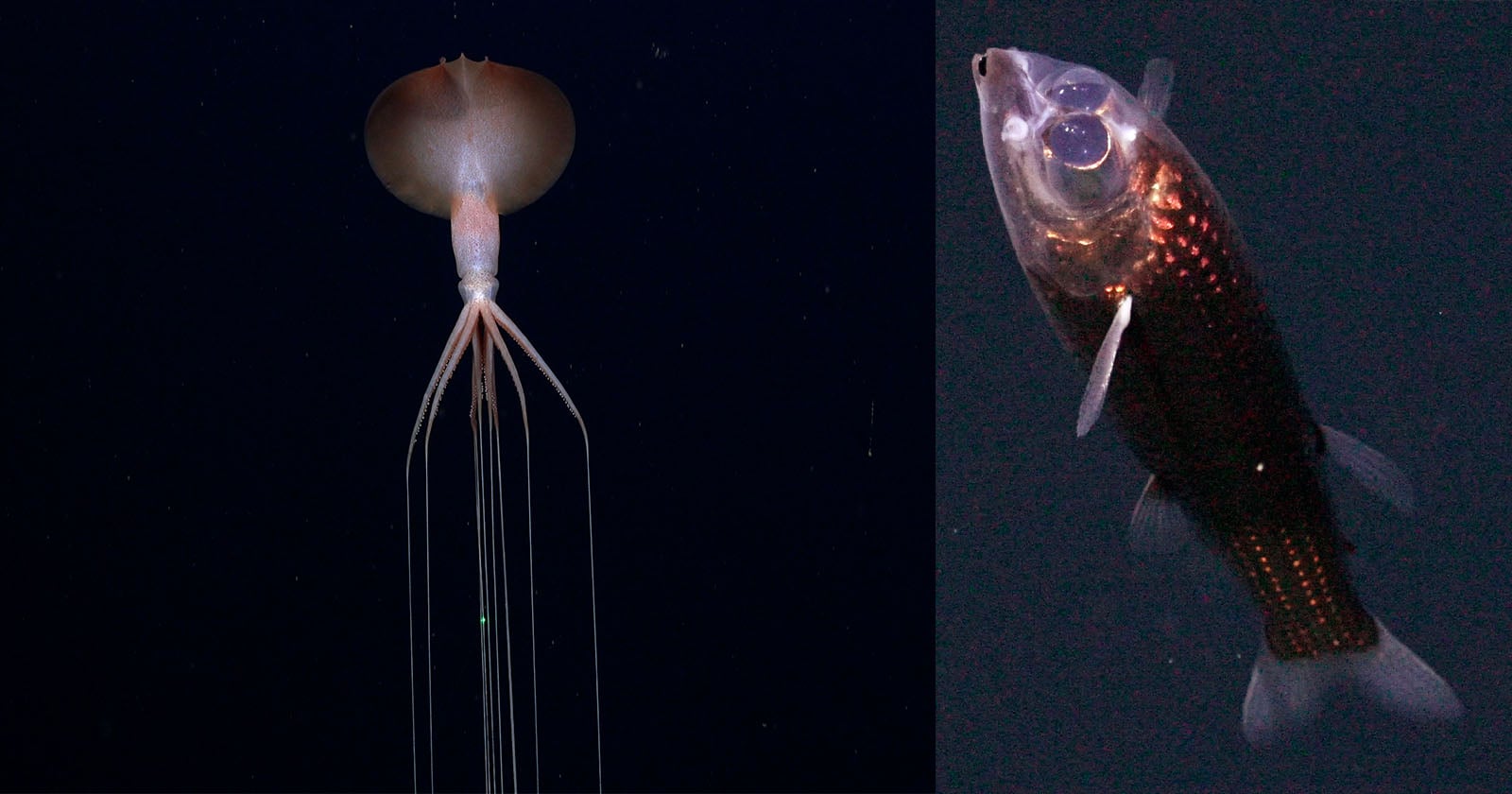
Marine scientists have documented the rarely seen barreleye fish in its natural habitat for the first time, providing a critical glimpse into the anatomy of a species long misunderstood by researchers. The footage, captured at a depth of 710 meters, reveals the unique biological characteristics of Winteria telescopa, a fish defined by its tubular, light-sensitive eyes housed within a transparent, fluid-filled forehead dome.
Historically, this delicate cranial structure was unknown to science because it collapses when specimens are removed from high-pressure deep-sea environments. By observing the animal in situ, the research team has finally confirmed the nature of this bizarre adaptation. This discovery was made during a month-long expedition to the Doldrums Megatransform and Fracture Zone, a remote region covering approximately 60,000 square kilometers—an area roughly the size of Lake Michigan—that intersects the Mid-Atlantic Ridge.
Related media
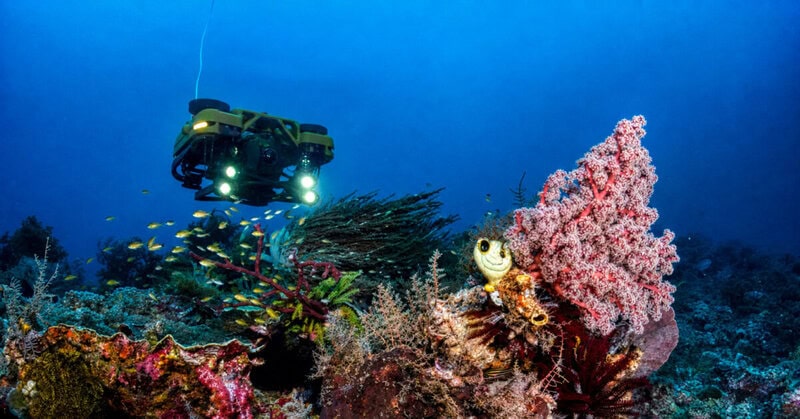
Led by researchers from the Monterey Bay Aquarium Research Institute, the team utilized the research vessel Falkor (too) to deploy the remotely operated vehicle SuBastian and the autonomous underwater vehicle The Childlike Empress. This exploration of the abyssal zone allowed the team to document the seafloor in a region where Earth's crust is constantly being reshaped. According to Aaron Micallef, who led the expedition, the findings reinforce the importance of continued exploration.
"Even in the Atlantic Ocean, where plate boundaries have been studied for decades, there are still places where the first close look can reveal something entirely new. This expedition showed that even in one of the most remote corners of the ocean, our planet remains alive, dynamic, and full of surprises."
Aaron Micallef, Marine scientist, via ScienceAlert
Hydrothermal discoveries and deep-sea life
Beyond the barreleye fish, the expedition identified two previously unknown hydrothermal fields at a depth of nearly 4,000 meters. These vents appear to be fueled by serpentinization, a chemical process in which seawater reacts with the mineral peridotite to generate heat and hydrogen. This process creates chemical energy that sustains microbial life in the absence of sunlight, offering researchers a model for understanding potential life-supporting conditions on icy moons like Europa and Enceladus. According to Jyotika Virmani, executive director of the Schmidt Ocean Institute,
"Serpentinization is a process in which seawater reacts with minerals in rocks, producing heat and chemical energy that allow life to thrive in the deep ocean without sunlight, so a better understanding of these systems could provide clues for finding life on other planets."
Jyotika Virmani, Executive director, via ScienceAlert
These vents have established thriving, localized ecosystems. During the mission, cameras captured swarms of shrimp, ghostly crabs, and delicate anemones inhabiting the chimneys of the hydrothermal vents. At a depth of 3,634 meters, the team also performed two observations of the bigfin squid, a member of the genus Magnapinna.
Reflecting on the mission, Paula Zapata Ramirez of the Universidad Pontificia Bolivariana noted that the expedition’s objectives evolved as the survey progressed.
"We arrived searching for vents, faults, and seamounts. We leave with something even more valuable: a deeper understanding of ecosystems in one of the least explored regions of the Atlantic Ocean."
Paula Zapata Ramirez, Marine scientist, via ScienceAlert
Scientific context and future analysis
While scientific papers detailing the full range of findings are still being prepared, the initial imagery from the Falkor (too) serves as a reminder of the biological complexity within the deep ocean's tectonic fractures. As the research team works to analyze the collected samples and high-resolution data, the discovery of the barreleye fish remains a significant milestone for deep-sea biology, finally putting an end to long-standing questions regarding the function of its delicate head dome.
How significant is this development?
Contribute your assessment to the aggregated reader intelligence ledger.
Archypedia is dedicated to independent, evidence-backed reporting. This briefing was synthesized from primary source reporting, corroborated across independent newsrooms, and verified against our Editorial Standards.
Transparency record
Evidence behind this report
This report synthesizes 5 distinct sources. Open the source ledger below to compare the underlying coverage.
Prepared under the Archypedia Editorial Policy by the Niko Vale editorial desk profile. AI-assisted tools may support drafting and verification; public accountability remains with Archypedia. Report an error.