Artificial light at night triggers sleep deprivation and aggression in fish
New research indicates that artificial light at night triggers sleep deprivation, DNA damage, and behavioral shifts in reef fish while altering predator activity. Experts suggest that improving coastal lighting design could help mitigate these negative environmental impacts.
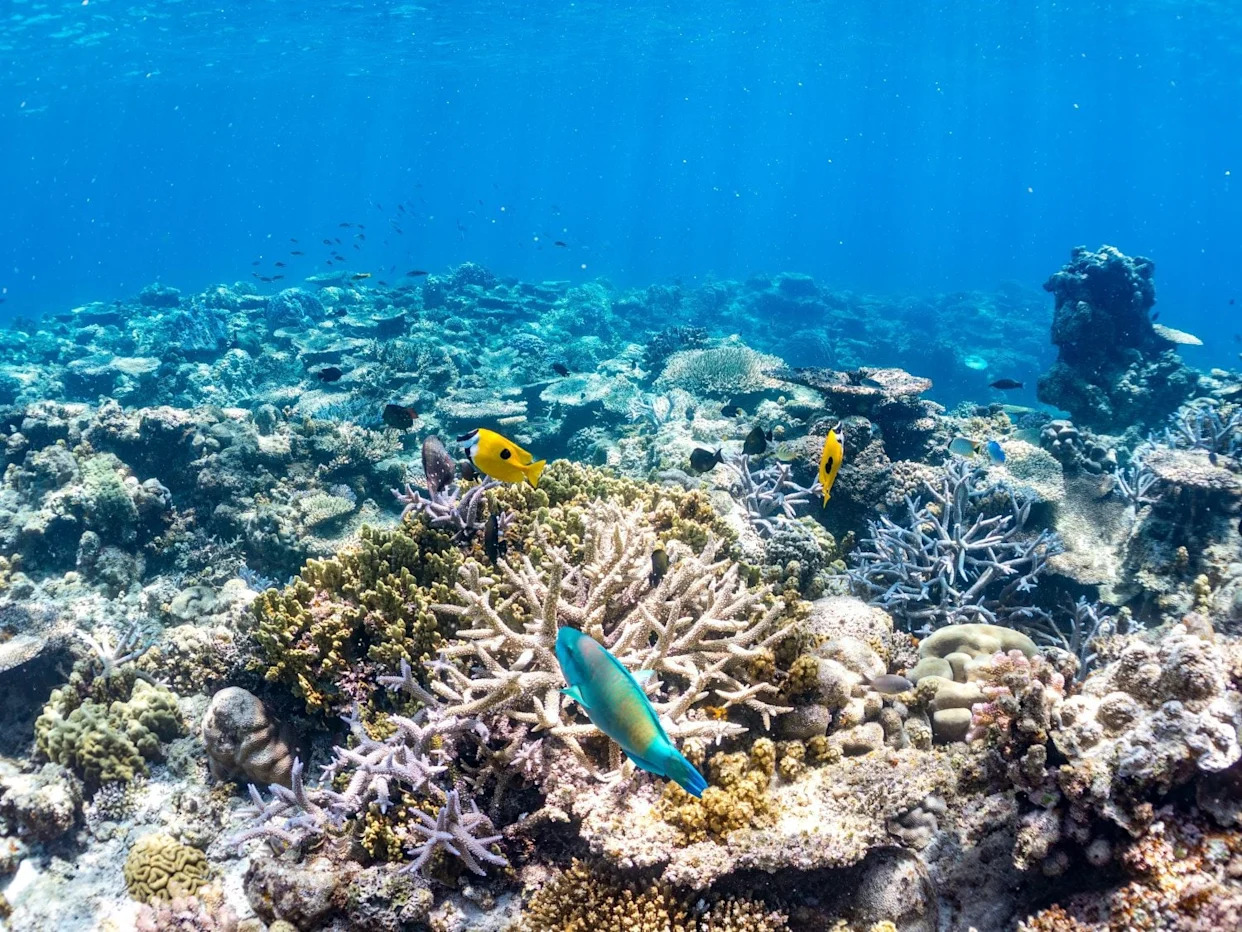
Artificial light at night — an environmental stressor frequently referred to as ALAN — is fundamentally altering the behavior and physiology of marine life along coastlines worldwide. According to recent research, the glow spilling from ports, coastal roads, and urban developments is disrupting the essential nocturnal rhythms of reef fish, triggering sleep deprivation, heightened aggression, and molecular markers of stress that could have far-reaching consequences for reef ecosystems. Scientific consensus suggests that these effects are not merely physiological but lead to behavioral changes that interfere with the natural order of the underwater world.
Behavioral and Molecular Consequences
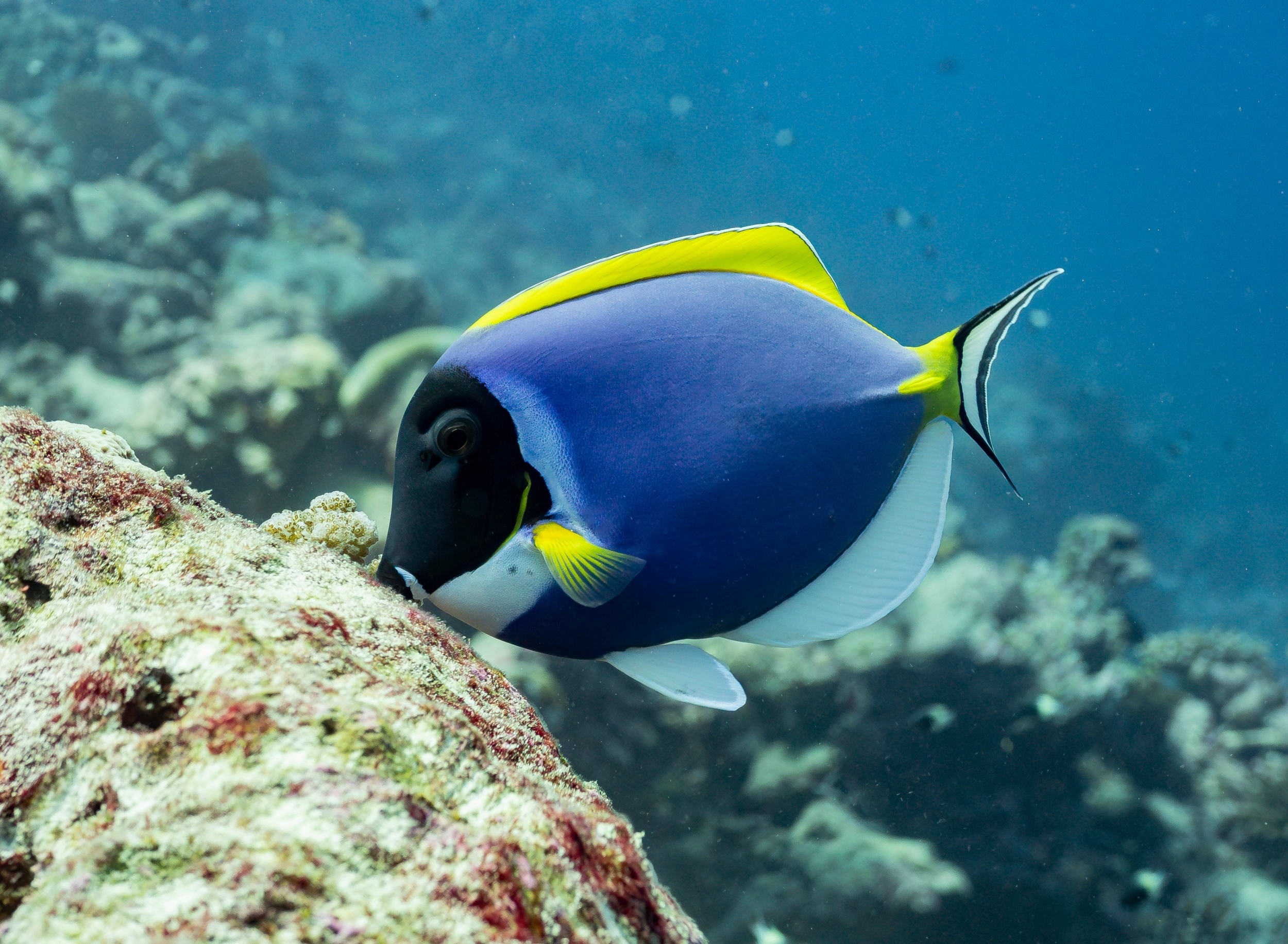
Studies conducted by researchers at Bar-Ilan University, published in Current Biology, focused on the blue-green damselfish, a common reef inhabitant known to feed in upper water layers during the day and retreat to the shelter of branching corals at night. Through a combination of infrared video tracking and laboratory experiments, researchers confirmed that these fish enter a sleep-like state characterized by reduced responsiveness and inactivity. However, exposure to artificial light during these hours shattered this routine.
Related media
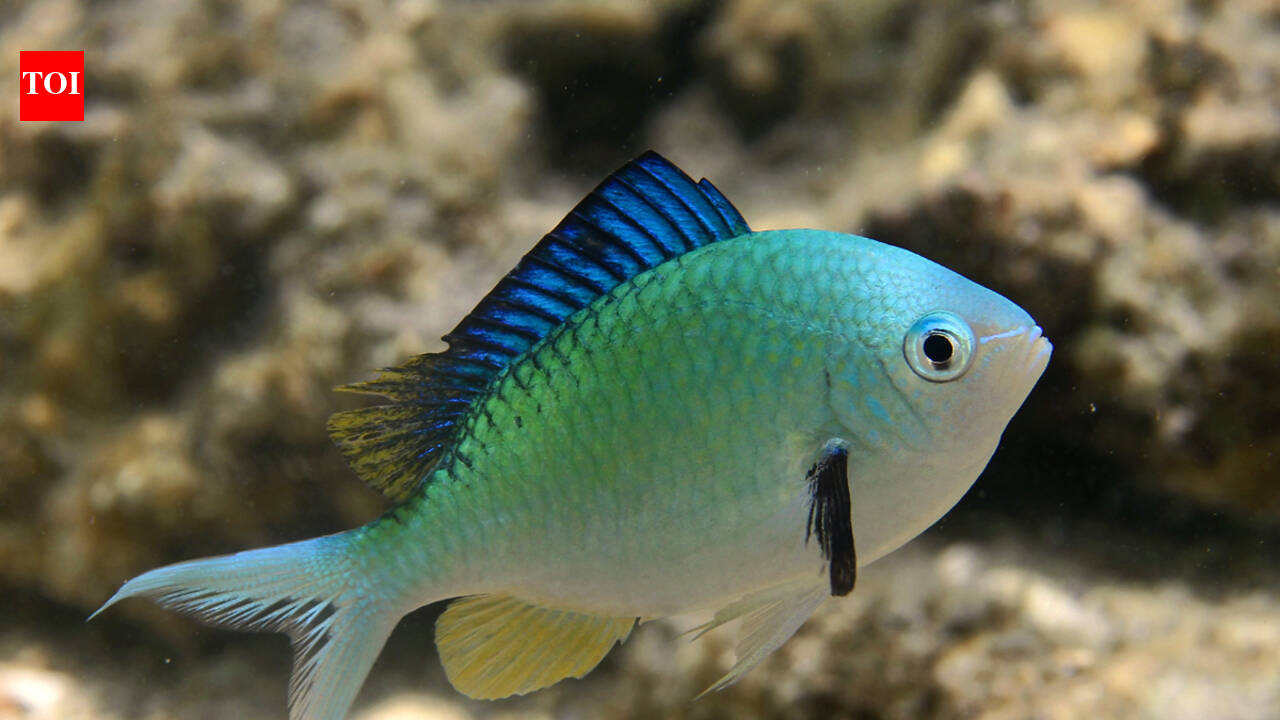

According to the findings, fish exposed to light levels comparable to those found in developed coastal areas, which can reach 60 times the intensity of natural starlight and moonlight, exhibited erratic activity, including feeding and hunting at unusual hours. Perhaps most concerning is the rapid onset of these symptoms. Observations indicated that just a few nights of exposure were sufficient to induce significant sleep deprivation. This state was accompanied by elevated markers associated with DNA damage in brain tissue, suggesting that the fish were unable to perform the vital neuronal repairs usually completed during rest.
"Coral reefs depend on tightly connected biological interactions. If artificial light is affecting both corals and the fish that depend on them, the consequences could ripple throughout the reef ecosystem."
Oren Levy, researcher at Bar-Ilan University and the H. Steinitz Marine Biology Laboratory, via Crbcnews
Ecological Shifts and Predation
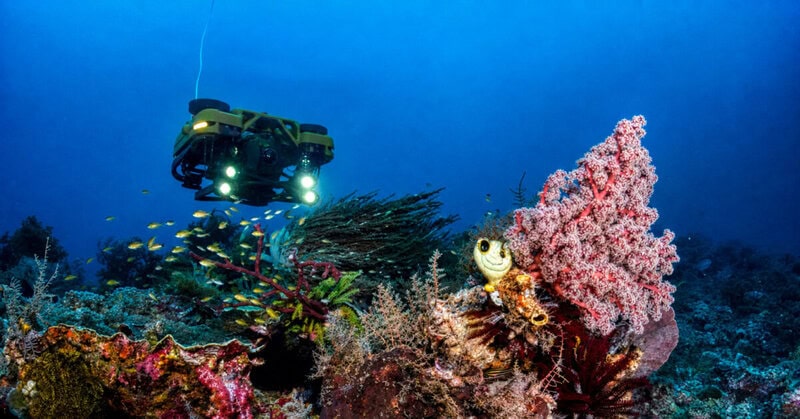
While the Bar-Ilan study highlighted internal biological and behavioral changes, separate research published in Global Change Biology, led by an international team from institutions including the University of Bristol, examined the community-wide impacts on reefs. Utilizing specialized infrared cameras to monitor sites, researchers found that artificial light alters the composition of reef nightlife by attracting predatory species that would typically remain inactive under the cover of darkness.
Unlike the immediate behavioral responses observed in individual damselfish, these community-level shifts, as reported by Sciencedaily, were noted after an average of 25 consecutive nights of exposure. The presence of day-active fish remaining awake late into the night, combined with the influx of predators finding it easier to locate prey, suggests a significant transformation of nocturnal environments. Experts note that because fish cannot detect infrared light, the use of such technology allowed scientists to observe these behaviors without influencing the animals’ natural reactions.
Comparison of Research Observations
| Observation Type | Primary Finding | Exposure Duration |
|---|---|---|
| Individual Physiology | Sleep deprivation, DNA damage markers, increased aggression. | A few nights |
| Community Dynamics | Increased presence of predators, disruption of nocturnal recovery. | Approximately 25 nights |
Environmental Context and Outlook
The impact of light pollution arrives at a precarious time for marine habitats. Coral reefs are currently navigating a significant global bleaching event, with approximately 84% of reefs affected by heat stress between 2023 and 2025. Because ALAN is known to inhibit coral growth and interfere with the synchronization of algal and coral spawning, it acts as a compound stressor. Researchers emphasize that while threats like plastic pollution or greenhouse gases leave lasting residues, artificial light is a pollutant that can be mitigated immediately by adjusting intensity, duration, and light direction.
What remains to be determined is the reversibility of these effects. Ongoing research aims to establish whether providing dark, unpolluted nights can allow fish to regain their health and natural behavioral patterns. For now, scientists are advocating for the implementation of smart lighting designs and the shielding of coastal light sources to protect ecosystems that are already under intense pressure. Future investigations into whether these populations can recover once light exposure is removed are currently at the top of the research agenda, as the answer will determine the scope of conservation strategies for coastal regions.
How significant is this development?
Contribute your assessment to the aggregated reader intelligence ledger.
Archypedia is dedicated to independent, evidence-backed reporting. This briefing was synthesized from primary source reporting, corroborated across independent newsrooms, and verified against our Editorial Standards.
Transparency record
Evidence behind this report
This report synthesizes 9 distinct sources. Open the source ledger below to compare the underlying coverage.
- aol.com
- crbcnews.com
- earth.com
- timesofindia.indiatimes.com
- ca.news.yahoo.com
- sciencedaily.com
- yahoo.com
- scitechdaily.com
- labmanager.com
Prepared under the Archypedia Editorial Policy by the Niko Vale editorial desk profile. AI-assisted tools may support drafting and verification; public accountability remains with Archypedia. Report an error.