SpaceX scrubs 13th Starship launch attempt after engine ignition hold
SpaceX aborted the 13th Starship launch when automated safety systems detected a Raptor engine ignition failure during the booster's startup sequence.
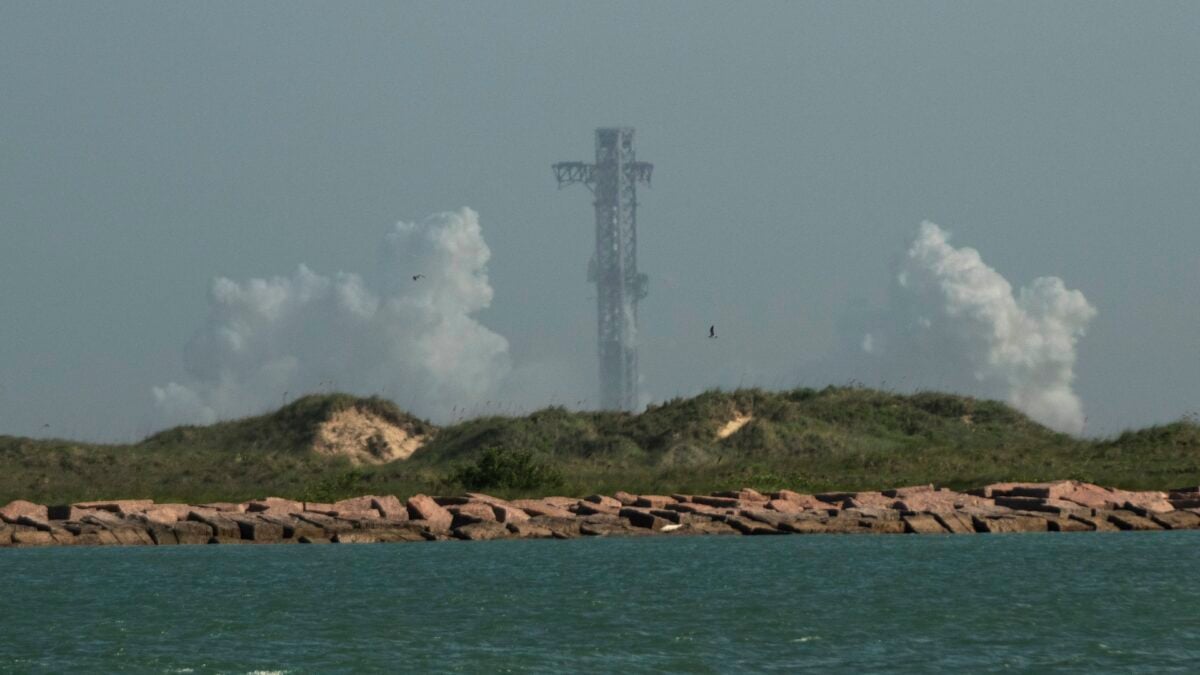
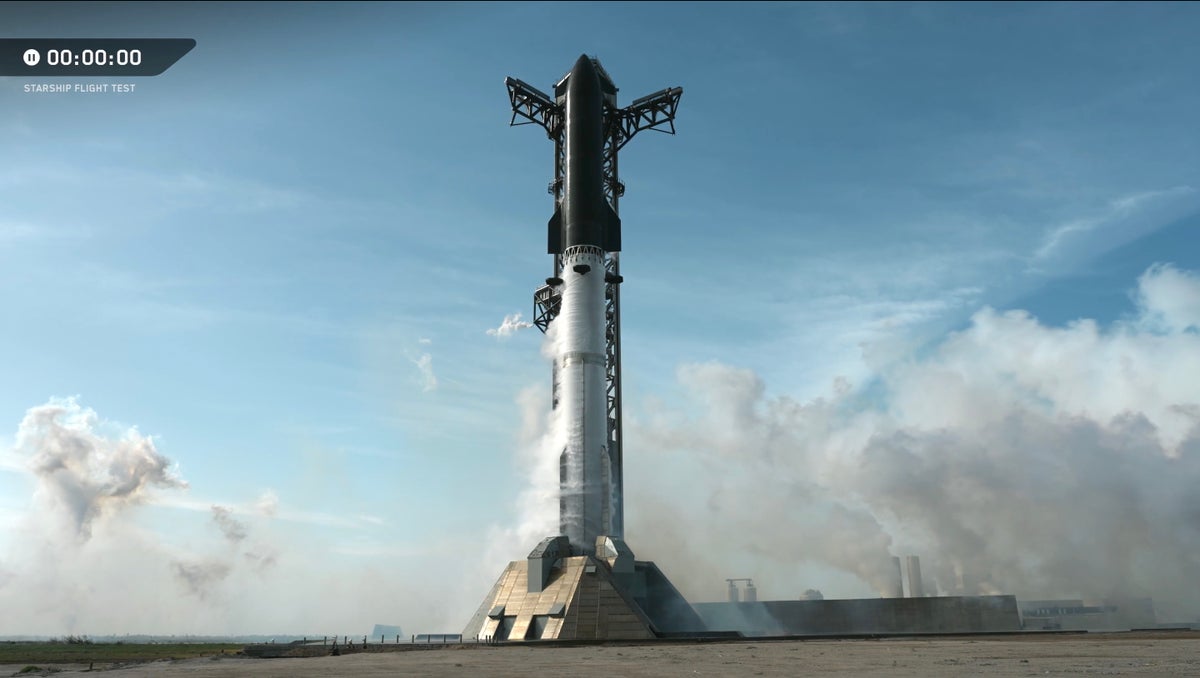
SpaceX’s thirteenth launch attempt for its Starship megarocket was suspended moments before liftoff. The abort occurred at 6:45 p.m. Eastern time at the company’s Starbase facility in Boca Chica, Texas. As the first-stage Super Heavy V3 booster initiated its ignition sequence, automated safety systems detected that some Raptor engines failed to start, forcing an immediate halt to the countdown.
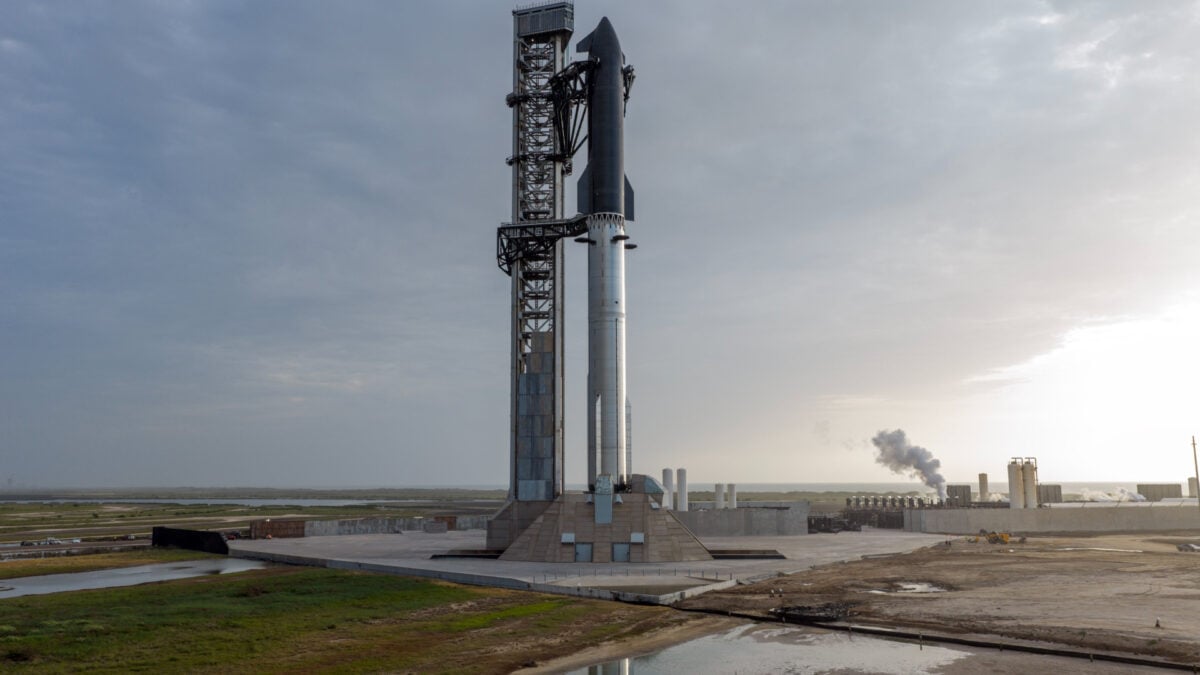
The vehicle remained intact on Pad 2 while ground crews initiated procedures to off-load propellant. SpaceX Chief Executive Elon Musk stated on social media that the failure of some engines to ignite triggered the automatic hold. To ensure the reliability of the next attempt, the company plans to remove and replace two Raptor engines. Following the scrub, SpaceX spokesperson Dan Hewitt confirmed the team would analyze the data to determine the cause of the ignition failure before rescheduling.
Related media

Operational Context and Design Objectives
Flight 13 serves as the second test of the Starship V3 configuration, following a predecessor flight. This mission profile is intended to refine the vehicle’s performance ahead of more complex orbital goals. Engineers have implemented several technical adjustments based on performance data from the previous flight, including updates to engine alarm thresholds and modifications to the booster’s startup sequence to address a previous orientation error during its flip maneuver.
Beyond testing the rocket’s flight hardware, the mission represents a critical step in the company’s objectives regarding satellite deployment. The rocket is carrying 20 functional Starlink V3 satellites, which represent a significant capacity increase for the company’s internet network. These units are designed to deliver higher data throughput and feature upgraded phased-array antennas. Because these satellites are too large for the current Falcon 9 fleet, their deployment is strictly dependent on the success of the Starship program.
During the proposed flight, these satellites would be released on a suborbital trajectory for a brief duration of approximately 20 minutes before atmospheric reentry. During this window, they are tasked with performing communications tests and using onboard cameras to inspect the condition of Starship’s heat shield. This data is vital for SpaceX as it attempts to move toward a fully and rapidly reusable design.
Market and Strategic Implications
The scrub took place during a period of heightened scrutiny, as it marked the first launch attempt for the company since its public debut. Following the announcement of the abort, company shares experienced volatility in after-hours trading. Trading activity saw the share price dip from approximately $132 to nearly $125 within five minutes of the news, before settling near $127.
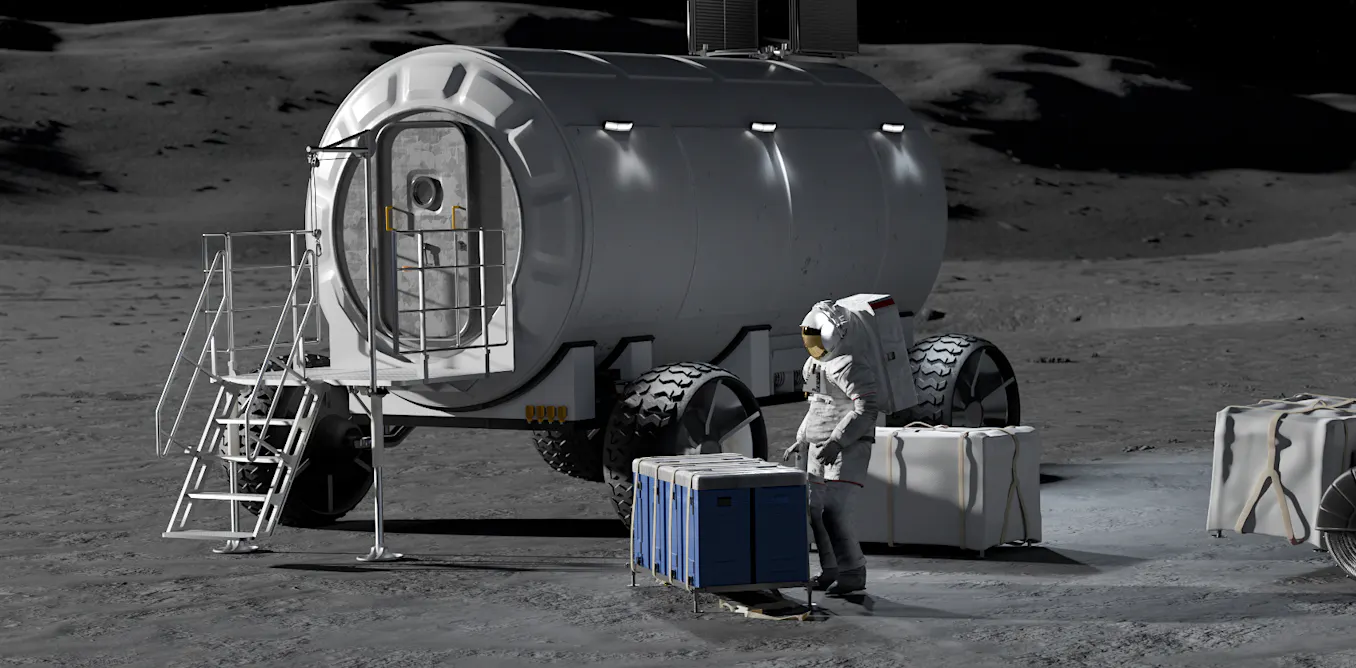
The mission's success is also central to broader industry timelines, particularly for NASA. The space agency relies on a lunar-lander variant of Starship for the Artemis program, which aims to return humans to the lunar surface. While NASA has established an aggressive timeline—with a crewed mission targeted for late next year—the agency has also engaged other commercial partners due to concerns regarding current development progress. Starship must demonstrate the ability to reach orbit and return safely multiple times to meet these long-term requirements.
What to Watch Next
- Engine Replacement: SpaceX technicians are currently removing and replacing two Raptor engines on the Super Heavy V3 booster to address the ignition failure.
- Rescheduling: While the company has not confirmed a specific date, leadership has indicated that the next launch attempt is likely to occur early next week.
- Satellite Testing: Once the mission successfully reaches its suborbital trajectory, the 20 Starlink V3 satellites will undergo "speed run" communications and solar array deployment tests before their scheduled reentry.
- Heat Shield Evaluation: Engineers will be monitoring sensor-equipped heat shield tiles to measure atmospheric forces, providing data for future design iterations.
As SpaceX prepares for the next window, the company remains in a period of intense technological refinement. The integration of high-capacity satellite payloads alongside core rocket system testing reflects a transition from experimental prototyping to operational testing. For the millions of users relying on the Starlink network, the success of these upcoming flights remains a primary factor in the future of their broadband capacity.
Archypedia is dedicated to independent, evidence-backed reporting. This briefing was synthesized from primary source reporting, corroborated across independent newsrooms, and verified against our Editorial Standards.
Transparency record
Evidence behind this report
This report synthesizes 5 distinct sources. Open the source ledger below to compare the underlying coverage.
Prepared under the Archypedia Editorial Policy by the Elena Voss editorial desk profile. AI-assisted tools may support drafting and verification; public accountability remains with Archypedia. Report an error.