New NASA Images Reveal Crater Left Behind by SpaceX Rocket Impact on the Moon
Captured by the Lunar Reconnaissance Orbiter, new images reveal a 60-foot-wide depression left by a stranded SpaceX upper stage that struck the Moon at 5,400 mph.
A 10,000-pound upper stage is expected to strike the lunar surface at 5,400 mph. NASA and South Korean orbiters are positioned to capture the impact and its aftermath.
A mission to boost the aging Swift gamma-ray telescope's orbit has been paused following a failure to deploy the rocket. NASA is evaluating if a secondary launch attempt is feasible.
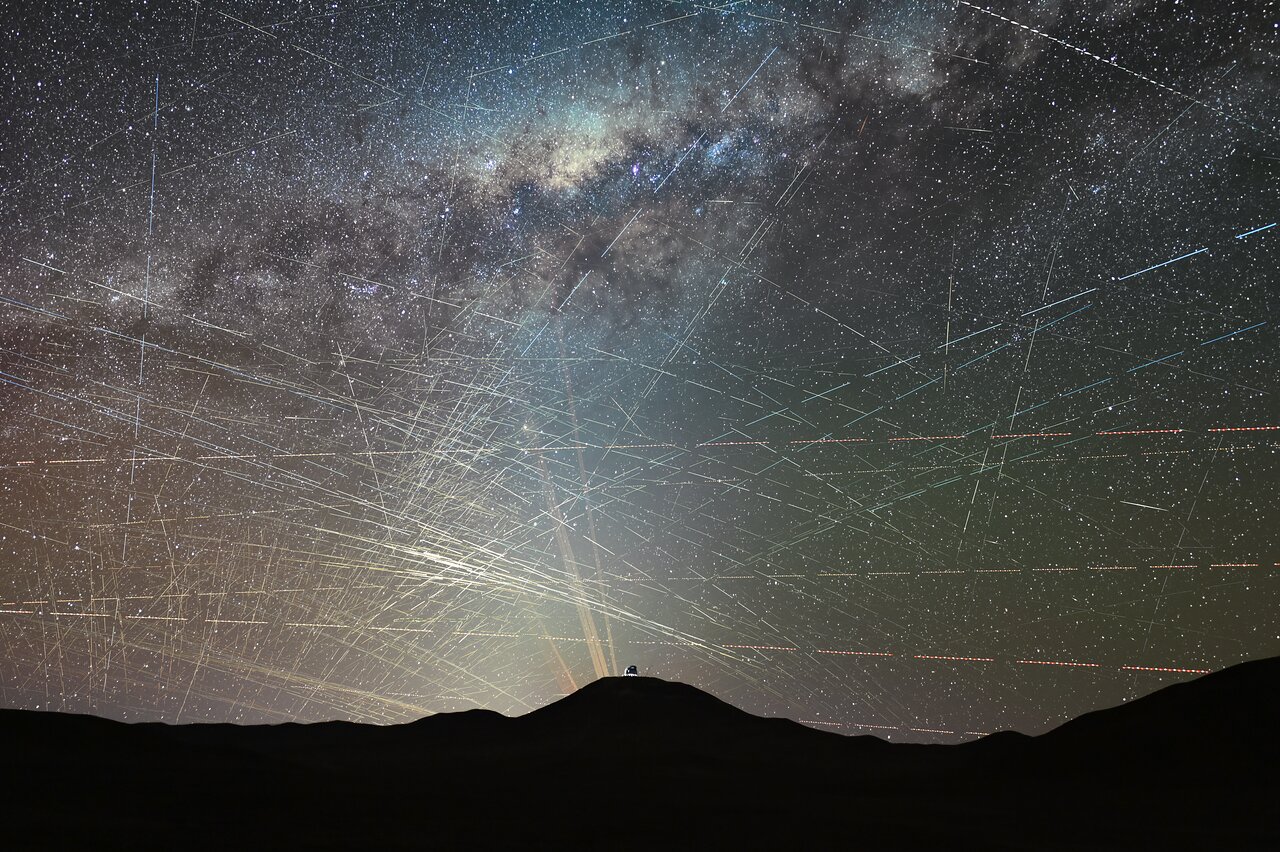
New research from the European Southern Observatory indicates that massive satellite constellations could damage astronomical research by creating light trails and elevating background sky brightness. Scientists are calling for an orbital cap to protect the ability to observe the cosmos.
A new European Southern Observatory study warns that proposed satellite constellations could render ground-based astronomy impossible through massive light pollution and data interference.
To combat the crisis of 13,486 tonnes of orbital debris, scientists are advocating for a shift toward modular satellites and active recycling missions. This strategy aims to prevent runaway collision events and mitigate the environmental impact of decommissioned spacecraft.