Caltech Mosaic-8 vaccine elicits broad protection against sarbecoviruses
Scientists have created a mosaic-8 nanoparticle vaccine that targets conserved regions across various coronaviruses to elicit broad antibody responses. Clinical trials for this candidate are scheduled to begin in 2025.

Scientific efforts to secure broad, future-proof protection against the sarbecovirus family — which includes both the virus responsible for COVID-19 and the original SARS virus — have reached a significant developmental juncture. Researchers are actively working to move beyond the limitations of current, strain-specific immunization strategies, which often struggle to keep pace as viruses evolve and escape traditional antibody responses.
A primary challenge in current vaccination efforts is the phenomenon of original antigenic sin. When an individual’s immune system is first exposed to a pathogen, via infection or vaccination, it creates immunological memory that can bias the body’s response to subsequent exposures, favoring antibodies tailored to the initial strain. However, new research indicates that this imprinting may function positively for coronavirus protection. Studies conducted by researchers at the Washington University School of Medicine in St. Louis found that repeat vaccinations, rather than hindering the immune system, promote the development of broadly inhibitory antibodies that neutralize a wide array of SARS-CoV-2 variants and even some distantly related coronaviruses.
Related media
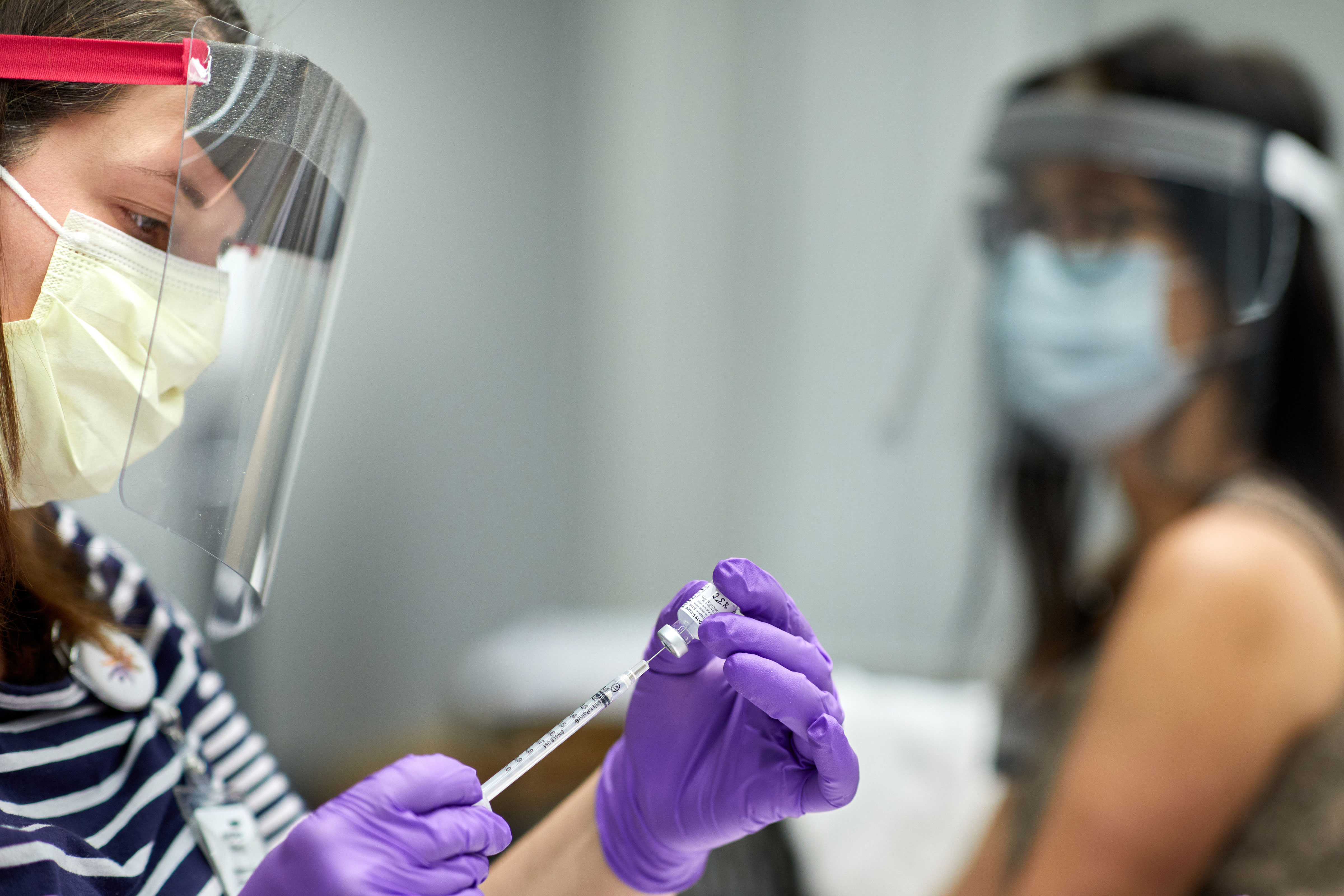

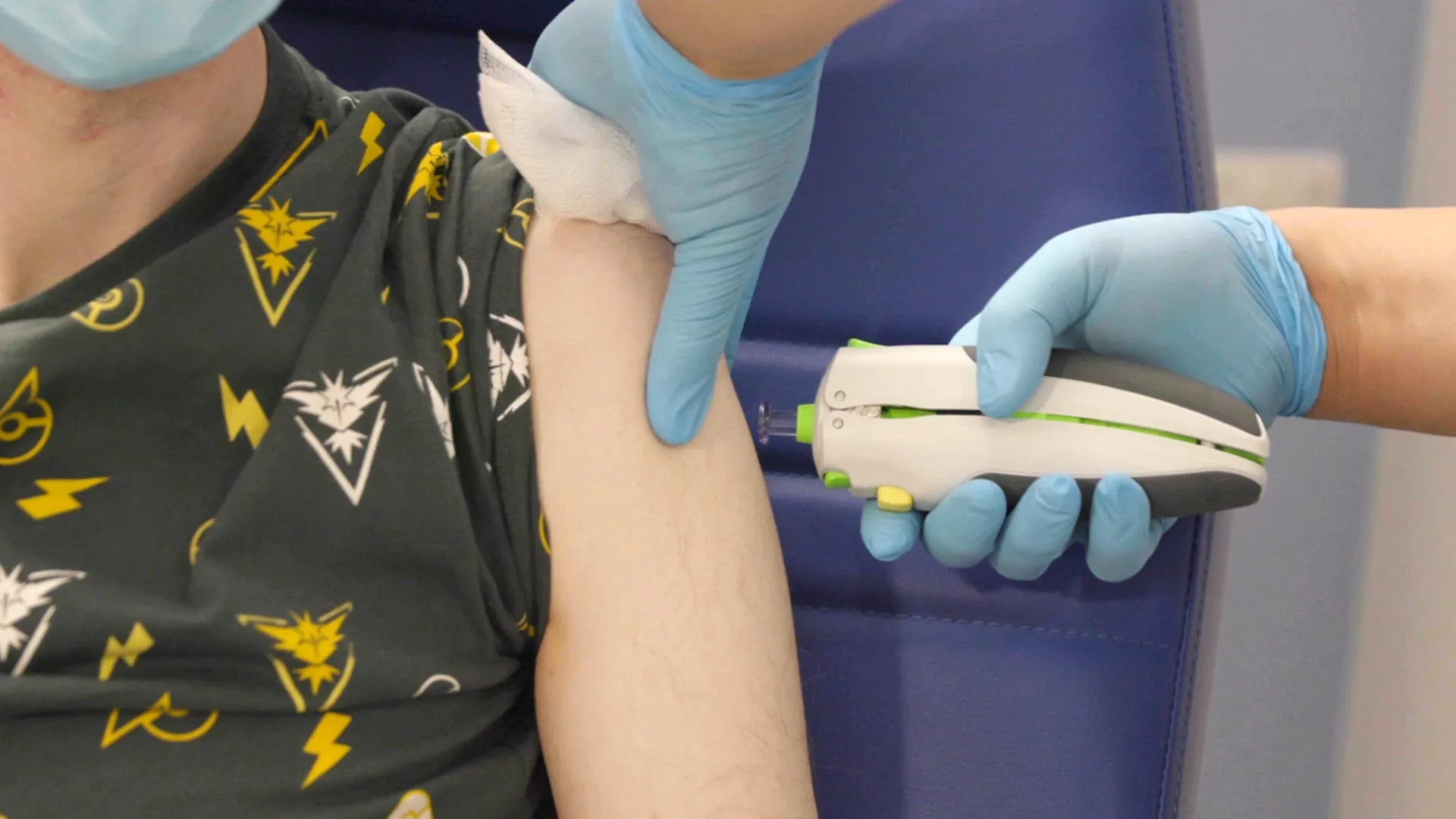
Building on these foundational immunological insights, scientists at Caltech and MIT have developed a candidate known as mosaic-8. This vaccine utilizes a nanoparticle platform to display eight different receptor-binding domains (RBDs) from various sarbecoviruses. By presenting multiple RBDs simultaneously, the vaccine is designed to select for B cells that recognize conserved regions, parts of the virus that remain unchanged across strains, thereby inducing cross-reactive antibodies that are harder for the virus to evade through mutation.
Studies have verified that this mosaic approach elicits broadly protective antibodies in both immunologically naïve and previously vaccinated animal models. The researchers, including Pamela Björkman and Arup K. Chakraborty, have continued to refine these designs, with newer iterations like the mosaic-7COM showing high binding titers in mice previously exposed to mRNA vaccines. Clinical trials for the mosaic-8 candidate are scheduled to begin in 2025.
Parallel to the nanoparticle-based approach, other researchers are exploring alternative strategies. Investigators at Weill Cornell Medicine have identified that the S2 subunit of the spike protein, a base segment that is largely conserved across coronavirus subfamilies, could be a key target for broad protection. Their work suggests that priming the immune system with common-cold coronaviruses, such as OC43, might enhance the efficacy of subsequent anti-S2 responses.
Current Development Landscape
- Mosaic Nanoparticles: Research at Caltech and MIT focuses on co-displaying multiple RBDs on nanoparticles to train the immune system to target conserved viral regions.
- S2 Subunit Targeting: Weill Cornell investigators are studying whether priming with common-cold coronaviruses can broaden the protective response against the S2 subunit.
- Repeat Vaccination: Data from the Washington University School of Medicine suggests that periodic re-vaccination may naturally lead to the accumulation of broadly neutralizing antibodies.
As the field looks ahead, the primary goal remains the transition from reactive, strain-specific immunization to proactive, universal protection. The research community is currently focusing on scaling up these new platforms, with scientists emphasizing that the development of such vaccines before the next outbreak could potentially prevent future pandemics and preserve global economic stability.
What to watch next:
- The scheduled start of Phase 1 clinical trials for the Caltech/MIT mosaic-8 vaccine in 2025.
- Further assessments of antibody durability following repeat vaccination, as identified in studies from the Washington University School of Medicine.
How significant is this development?
Contribute your assessment to the aggregated reader intelligence ledger.
Archypedia is dedicated to independent, evidence-backed reporting. This briefing was synthesized from primary source reporting, corroborated across independent newsrooms, and verified against our Editorial Standards.
Transparency record
Evidence behind this report
This report synthesizes 11 distinct sources. Open the source ledger below to compare the underlying coverage.
- gavi.org
- caltech.edu
- news.mit.edu
- medicine.washu.edu
- news.weill.cornell.edu
- healthday.com
- the-scientist.com
- sciencedaily.com
- foxnews.com
- bbe.caltech.edu
- thisis.caltech.edu
Prepared under the Archypedia Editorial Policy by the Lina Park editorial desk profile. AI-assisted tools may support drafting and verification; public accountability remains with Archypedia. Report an error.